

As fuel prices surge worldwide, Pakistan takes a calibrated path
Moderate hikes contrast with steep global increases amid fiscal pressures

Business Desk
The Business Desk tracks economic trends, market movements, and business developments, offering analysis of both local and global financial news.
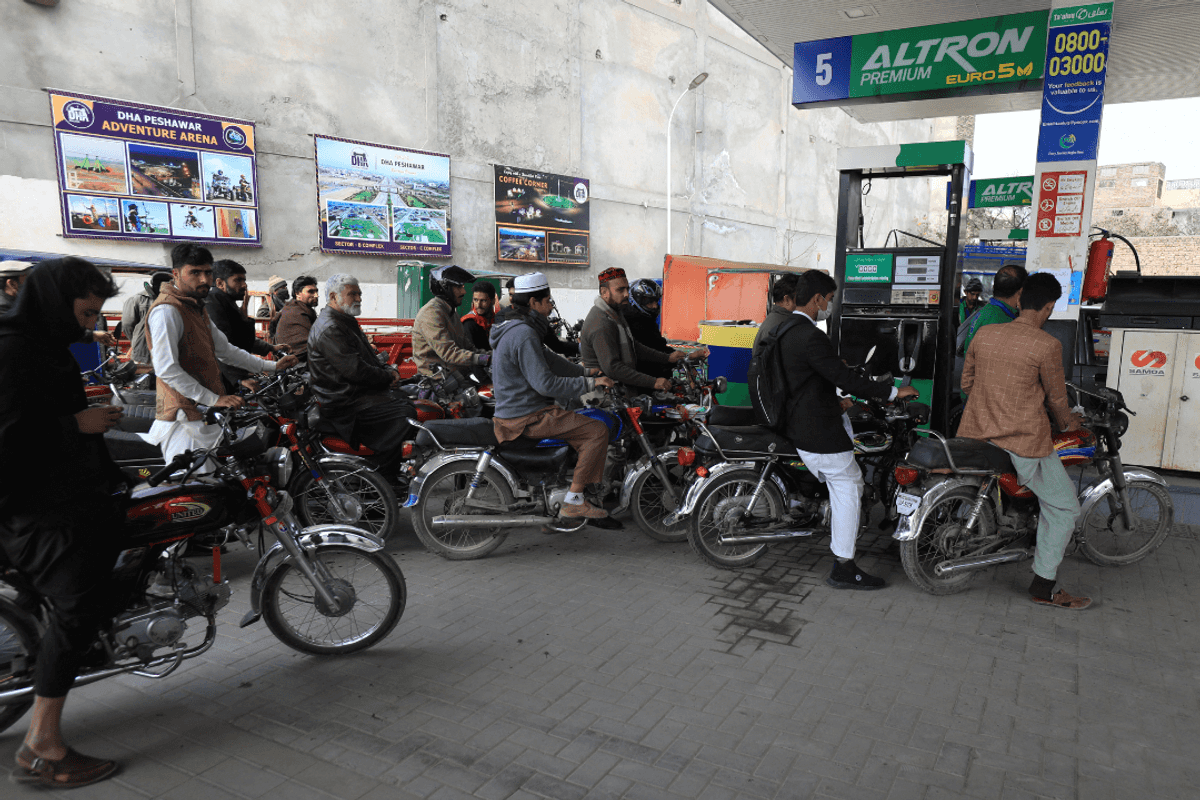
Fuel prices are rising sharply across the world, with many countries passing on steep increases to consumers, particularly for diesel, as governments grapple with global energy market volatility.
Recent trends show both developed and emerging economies implementing significant hikes in petrol and diesel prices, reflecting higher international oil costs and constrained fiscal space. In several countries, fuel price increases have ranged between 27% and more than 70%, far exceeding adjustments seen in Pakistan, according to the statement from the Ministry of Finance.
By comparison, Pakistan has raised fuel prices by about 22% to 24% in recent weeks, indicating what analysts describe as a more calibrated approach aimed at balancing fiscal sustainability with public affordability.
Diesel prices, in particular, have seen sharper increases globally, given their critical role in transport, agriculture and industry. Many governments, especially in emerging markets, have passed on the full impact of rising global prices to consumers to limit subsidy burdens and protect public finances.
Pakistan's strategy
Pakistan, however, appears to be moderating the pace of increases while maintaining revenue streams through taxation.
Retail taxes on petroleum products in Pakistan stand at approximately 25%, including about 16% on diesel and 33% on petrol. This is below the regional average of around 35%. In addition, the country currently applies no general sales tax on fuel, compared with a standard rate of 18% that could otherwise be imposed.
The relatively lower tax burden has helped cushion consumers from sharper price spikes, even as the government seeks to maintain fiscal discipline amid broader economic challenges.
Energy analysts say the global trend underscores the limited capacity of governments to sustain fuel subsidies over extended periods, particularly as oil prices remain volatile. As a result, many countries are moving toward price rationalization, allowing domestic fuel rates to more closely reflect international market conditions.
Pakistan’s approach reflects an attempt to strike a balance between these competing pressures — containing the immediate impact on households and businesses while avoiding excessive fiscal strain.
However, economists warn that maintaining this balance could become increasingly difficult if global oil prices continue to rise or remain elevated for a prolonged period.
For now, Pakistan’s comparatively moderate adjustments stand in contrast to sharper increases seen elsewhere, highlighting a policy path that prioritizes gradual alignment with global prices while seeking to limit economic disruption at home.



Comments
See what people are discussing