

Pakistan inflation falls to 9.2% in July as fuel prices ease
First single-digit reading since March masks persistent food and core price pressures, with geopolitical and supply risks clouding the outlook

Haris Zamir
Business Editor
Experience of almost 33 years where started the journey of financial journalism from Business Recorder in 1992. From 2006 onwards attached with Television Media worked at Sun Tv, Dawn Tv, Geo Tv and Dunya Tv. During the period also worked as a stringer for Bloomberg for seven years and Dow Jones for five years. Also wrote articles for several highly acclaimed periodicals like the Newsline, Pakistan Gulf Economist and Money Matters (The News publications)
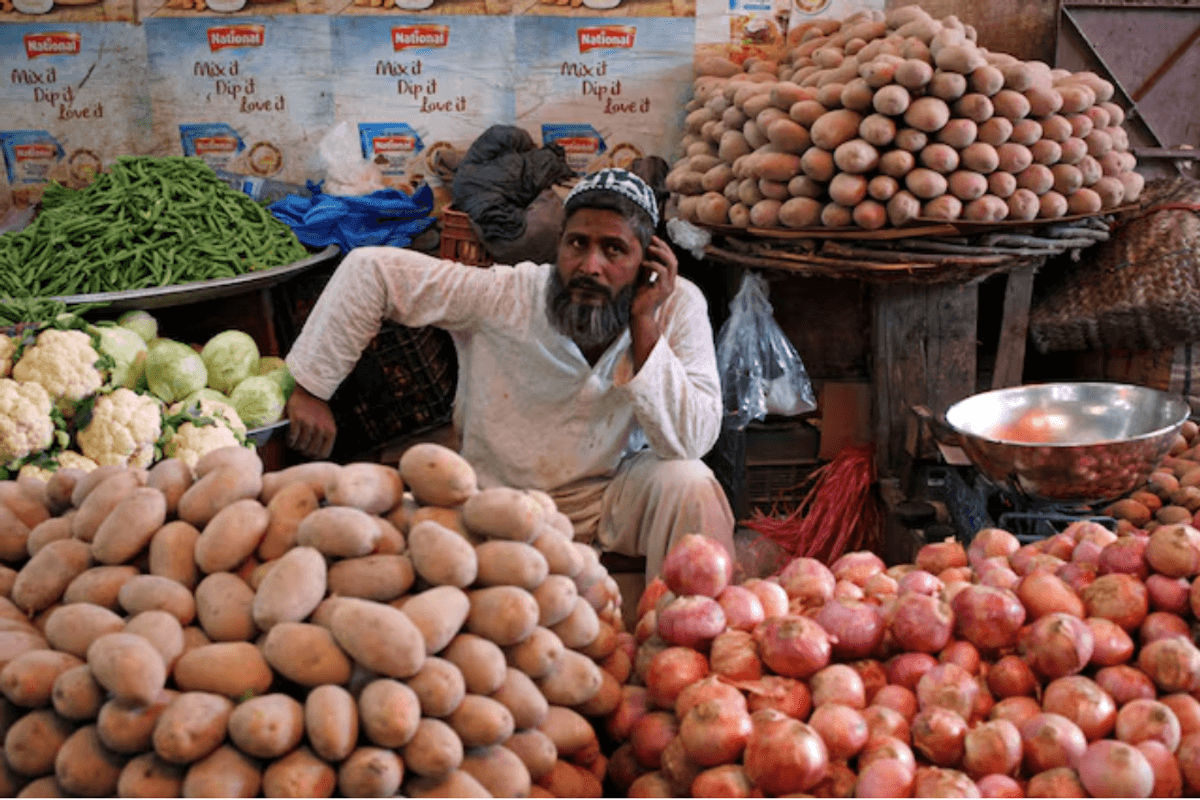
Pakistan inflation falls to 9.2% as lower fuel prices offset food pressures
Pakistan’s annual inflation rate fell to 9.2% in July 2026, returning to single digits for the first time since March as lower fuel prices helped offset persistent food price pressures, according to data from the Pakistan Bureau of Statistics.
Inflation eased from 11.1% in June, with the moderation recorded across both urban and rural areas. Urban inflation fell to 8.7% from 11.2% in June, while rural inflation declined to 9.9% from 10.9%.
The decline was driven in part by a sharp drop in transport-related costs. Transport inflation, however, remained the largest contributor among major expenditure groups at 15.1% year-on-year, while food and beverages rose 10.6%.
The latest reading points to a mixed inflation picture. While lower fuel prices provided significant relief, food prices remained under pressure, highlighting continued cost-of-living risks for households.
On a month-on-month basis, prices of several major food items increased sharply in July. Tomato prices were nearly 2.7 times higher than a month earlier, while potato prices rose 22%, onions 13%, eggs 11% and chicken 7%.
The increase in food prices was partly offset by lower energy costs. Petrol prices fell about 17% month-on-month, high-speed diesel prices declined 10% and liquefied petroleum gas prices fell 14%, helping contain the overall inflation rate.
Analysts said weather-related disruptions and constraints on wheat supplies could keep food inflation elevated in the near term, limiting the impact of lower energy prices on household budgets.
Underlying price pressures also remained persistent. Non-food, non-energy inflation stood at 8.6% in urban areas and 8.1% in rural areas, indicating that inflationary pressures remain entrenched even as headline inflation has moderated.
Prices across major household spending categories, including health, clothing and education, continued to rise at rates of roughly 7% to 9%, suggesting that the broader cost of living remains elevated.
The housing, water, electricity, gas and other fuels group also recorded positive inflation, with liquefied hydrocarbon prices up 46% year-on-year. Lower transport fuel prices during July, however, helped offset some of these increases.
Analysts expect inflation to remain in single digits in the near term but warned that the outlook remains vulnerable to geopolitical developments and movements in global energy prices.
A sustained rise in international oil prices could reverse some of the recent gains and push Pakistan’s headline inflation back into double digits, they said.
For fiscal year 2026-27, analysts expect average inflation of about 6.3%, assuming Arab Light crude averages around USD 80 per barrel. Inflation is expected to ease further after the first quarter of the fiscal year, provided external and domestic supply pressures remain contained.



Comments
See what people are discussing