

Pakistan judge asks if own hair transplant involved placenta in smuggling case hearing
Islamabad judge asked if his own hair transplant used placenta, as a court rejects bail of suspects in a major human placenta smuggling scandal

Ali Hamza
Correspondent
Ali; a journalist with 3 years of experience, working in Newspaper. Worked in Field, covered Big Legal Constitutional and Political Events in Pakistan since 2022. Graduate of DePaul University, Chicago.
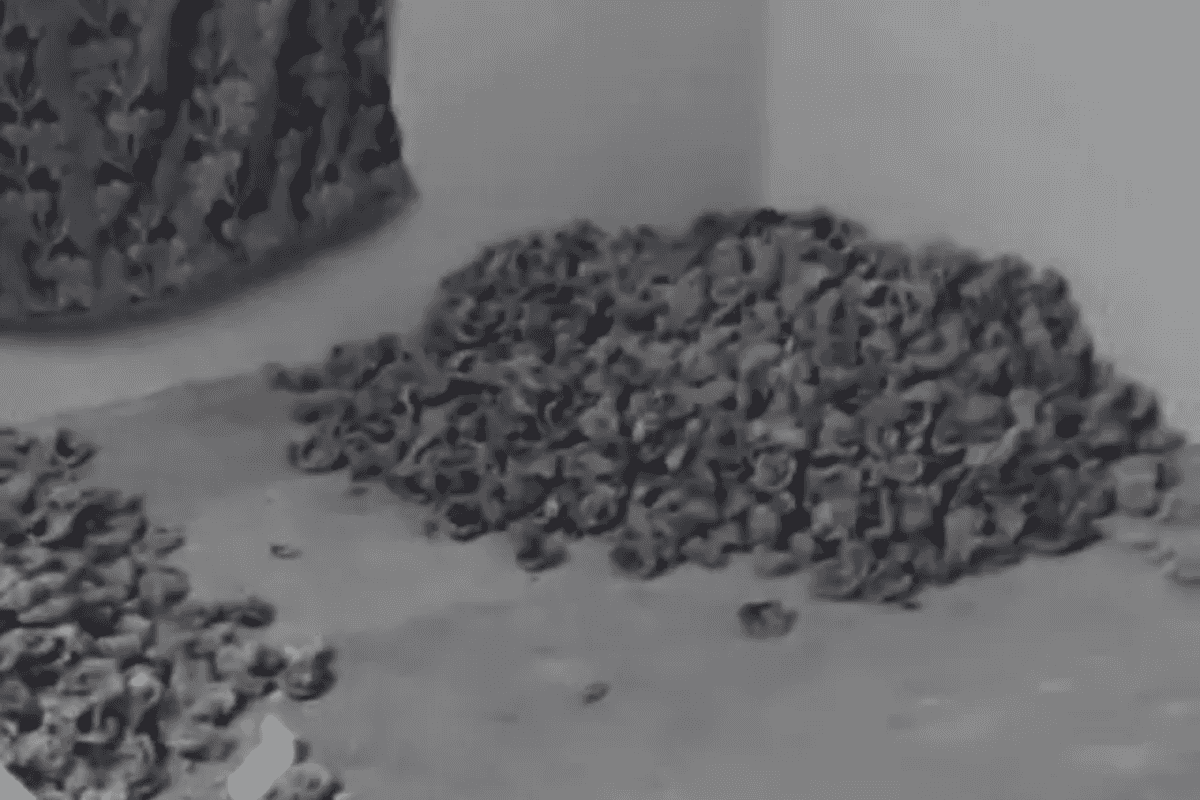
This photo shows processed human placentas prepared for smuggling before being seized by law enforcement in Islamabad.
Screengrab
A Pakistani judge quipped on Thursday whether his own hair transplant could have involved placental tissue, during a court hearing on an alleged human placenta smuggling case.
The remark came as lawyers argued whether placenta falls under laws regulating human organs and tissues.
What is the Pakistan human placenta smuggling case about?
The case involves an alleged network accused of processing and exporting human placenta from Pakistan, disguised as sheep placenta, to Vietnam.
Investigators say they recovered more than 1,000 human placentas and arrested five suspects, including three Chinese nationals, at the alleged processing sites.
What did the judge say about his hair transplant?
Additional District and Sessions Judge Muhammad Afzal Majoka rejected post-arrest bail applications filed by four suspects after hearing arguments from both sides. A decision is expected later.
The case centers on whether human placenta is covered by Pakistan's Transplantation of Human Organs and Tissues Act, 2010. Prosecutors argue the law regulates both human organs and tissues, making commercial trafficking in placenta an offence, while defense lawyers contend it does not fall within the alleged offences.
"The placenta is not counted among human organs," a defense lawyer told the court, arguing that placental tissue has recognized medical uses, including cosmetic and regenerative treatments. The lawyer added that some hair restoration procedures also use tissue derived from the placenta.
Judge Majoka then asked, "I have also had a hair transplant. Does that mean placenta was used in my procedure too?" The defence lawyer replied that different hair restoration techniques exist, adding that if the judge had undergone the relevant procedure, placental tissue would "100%" have been used.
What else did the defense argue in court?
The defense also argued that while organs such as kidneys and eyes clearly fall within the legal definition of human organs, not every body part removed during surgery necessarily does. "When hospitals remove the gallbladder, it is either incinerated or sometimes buried," the lawyer said.
"My gallbladder was also removed. I don't know where it is now," the judge responded. The lawyer joked in reply, "Sir, who knows, perhaps the FIA arrested someone over that as well."
How did prosecutors respond to the bail applications?
Prosecutors opposed the bail requests, saying investigators had recovered more than 1,000 human placentas during the probe and arrested all the accused at the alleged processing sites.
They told the court that expert medical reports had also been submitted and urged the judge to reject the bail applications.
How was the placenta smuggling network uncovered?
The case stems from raids by Pakistan's Federal Investigation Agency (FIA) and the Human Organ Transplant Authority (HOTA), which allege a network operating from two houses in Islamabad processed and exported human placenta disguised as sheep placenta to Vietnam. Investigators say they seized around 550 kilograms of placenta in fresh, dried and processed form, and intercepted another shipment of about 500 kilograms allegedly destined for export.
Authorities allege the operation was concealed behind a legitimate human hair and wig export business. Investigators say the three Chinese nationals oversaw washing, drying, processing and packaging of the placentas, while the two Pakistani suspects managed the local supply network. The FIA has described the case as the first of its kind in Pakistan.
The court later rejected bail applications.



Comments
See what people are discussing