

Pakistan launches first international ferry service to boost regional connectivity
New ferry route from Karachi to Bandar Abbas marks Pakistan’s entry into regional maritime travel

Javed Hussain
Correspondent
I have almost 20 years of experience in print, radio, and TV media. I started my career with "Daily Jang" after which I got the opportunity to work in FM 103, Radio Pakistan, News One, Ab Tak News, Dawn News TV, Dunya News, 92 News and regional channels Rohi TV, Apna Channel and Sach TV where I worked and gained experience in different areas of all three mediums. My journey from reporting to news anchor in these organisations was excellent. Now, I am working as a correspondent with Nukta in Islamabad, where I get the opportunity of in-depth journalism and storytelling while I am now covering parliamentary affairs, politics, and technology.
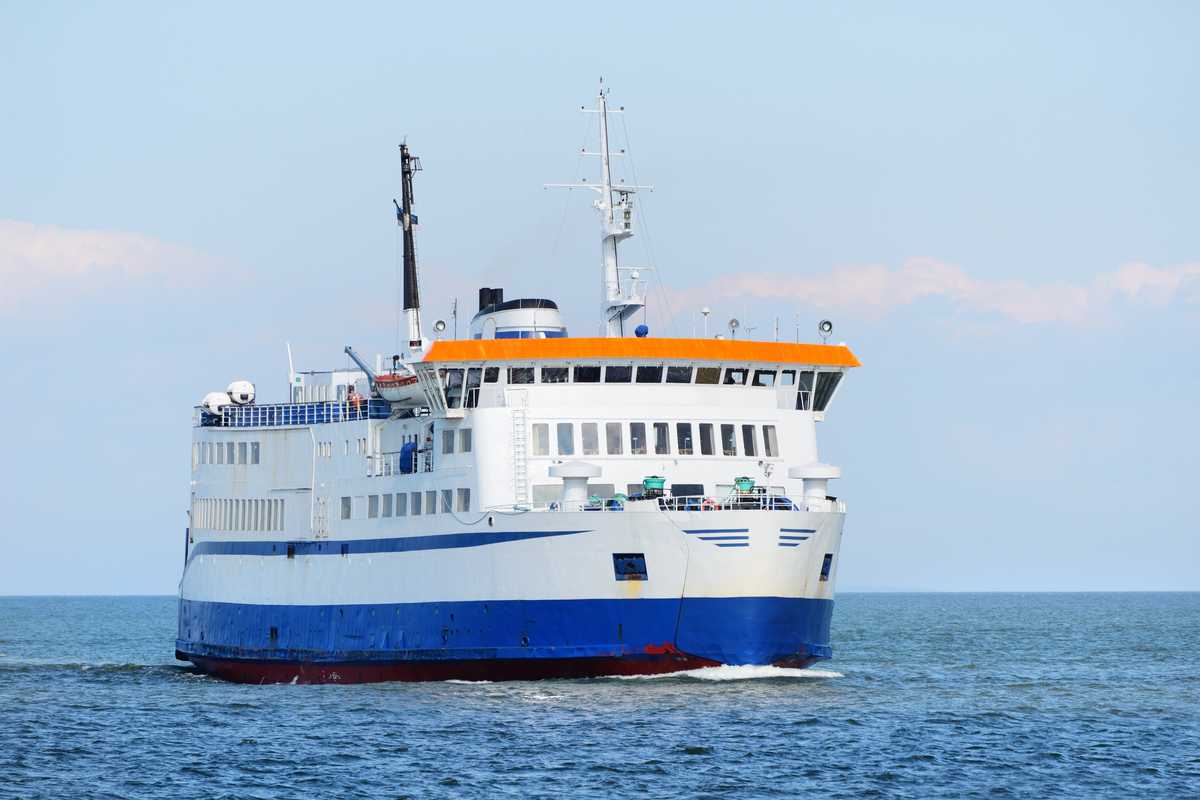
FILE: Pakistan launches first International Ferry Service to Boost Regional Connectivity
Shutterstock
Pakistan has approved its first-ever international ferry service, marking a major step in the country’s push to boost maritime connectivity, regional trade, and religious tourism across the Gulf region.
The Ministry of Maritime Affairs has granted operational approval to the private company Sea Keepers to begin ferry operations between Karachi and Gwadar in Pakistan and Bandar Abbas in Iran.
The service — cleared on August 22, 2025 — aims to offer an affordable alternative to costly air and land routes, with operations expected to start within six months.
A regional maritime link
Initially focused on connecting Pakistani pilgrims and traders to Iran, the ferry service is expected to later expand to Muscat (Oman), Basra (Iraq), and GCC destinations including Qatar, Bahrain, and the United Arab Emirates.
Speaking on the development, Minister for Maritime Affairs Junaid Anwar Chaudhry said the project is a step toward transforming Pakistan into a regional maritime hub.
“The government is determined to make maritime travel accessible and affordable. This service is not just for pilgrims or tourists — it’s about regional integration and economic opportunity,” Chaudhry said.
Boost to Blue Economy
Officials say the initiative will play a central role in promoting Pakistan’s Blue Economy agenda, designed to harness the potential of the country’s 1,000-kilometer coastline.
By opening new routes for maritime travel, the ferry system is expected to enhance port activity, create jobs, and offer a low-cost option for traders and religious pilgrims.
The approval granted to Sea Keepers comes with a six-month deadline to begin operations. So far, no other operators have applied for similar licenses, though officials say the government is open to public-private partnerships once the pilot phase proves successful.
Inspired by global ferry models
The new ferry plan draws inspiration from successful maritime passenger systems in countries like Turkey, Saudi Arabia, Greece, and Indonesia.
- Turkey operates extensive ferry networks across the Mediterranean and Aegean Seas.
- Saudi Arabia connects pilgrims to Egypt and Sudan via Red Sea routes.
- Indonesia’s ferries enable internal trade across more than 17,000 islands.
- Greece relies heavily on ferries to support its tourism industry.
Analysts say Pakistan, strategically located at the crossroads of South Asia, the Middle East, and the Arabian Sea, is well-positioned to replicate such success. But challenges remain.
Infrastructure and diplomacy hurdles
To fully realize its ambitions, Pakistan will need to invest in port infrastructure, improve border and customs coordination, and negotiate bilateral maritime agreements with participating countries.
According to internal briefings, only 12 out of 22,000 vehicles involved in similar transport currently have proper tracking systems, underscoring a wider need for regulatory oversight and modernization.
Still, the potential upside is significant.
“Once operational, the ferry service will create a new corridor for trade, tourism, and religious travel,” an official familiar with the project said. “It’s a key piece in the puzzle of building economic and cultural bridges across the region.”
If successful, the service could eventually place Pakistan among regional maritime leaders — turning the country’s long-underutilized coastline into a driver of growth, connectivity, and cooperation across Asia and the Gulf.





Comments
See what people are discussing