

Pakistan LNG import bill falls 47% as coal-fired power surges
RLNG-fired electricity output plunged 61% in October as generators turned to coal and costly oil-based fuels, adding to power costs and winter supply concerns

Business Desk
The Business Desk tracks economic trends, market movements, and business developments, offering analysis of both local and global financial news.
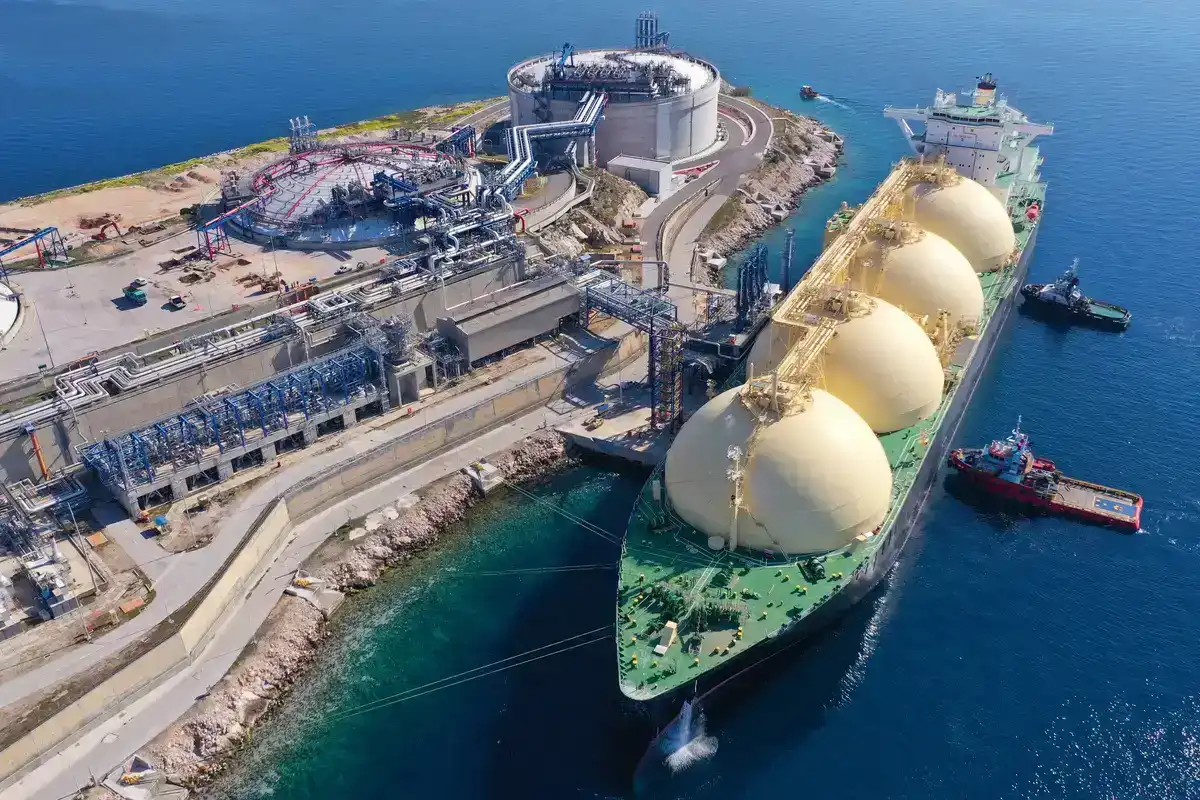
Pakistan spent USD 488 million on LNG imports in July–October FY27.
Pakistan's liquefied natural gas (LNG) import bill fell 47% in the first four months of fiscal year 2026-27 as reduced deliveries from Qatar coincided with a steep decline in gas-fired electricity generation and increased use of coal, according to official data and analysts. The shift toward expensive oil-based generation has added to power costs.
How much did LNG imports and RLNG power generation fall?
Pakistan spent USD 488 million on LNG imports in July–October FY27, down from USD 925 million a year earlier, Pakistan Bureau of Statistics data released November 20 showed. October imports dropped to USD 70 million from USD 209 million, while RLNG-based electricity generation fell 61% to 757 GWh.
According to National Electric Power Regulatory Authority (NEPRA) data released November 20, electricity generation from re-gasified LNG (RLNG) plants stood at 1,949 gigawatt-hours (GWh) in October last year.
During July–October, RLNG-based generation declined 46% to 4,501 GWh from 8,382 GWh in the corresponding period last year.
"RLNG-based power generation continues to decline amid limited LNG availability, with output falling 61% YoY in October," Mohammad Bilal Ejaz, research analyst at Ismail Iqbal Securities, said on November 23.
Ejaz said greater reliance on coal and expensive oil-based fuels was increasing generation costs and adding pressure to electricity tariffs.
Higher energy costs could squeeze household purchasing power and undermine industrial competitiveness, he said.
The average unadjusted electricity generation cost rose 24.9% year over year to PKR 10.63/kWh in October from PKR 8.51/kWh, according to Arif Habib Limited's analysis of NEPRA data.
Distribution companies have sought a positive fuel charges adjustment of approximately PKR 2.88/kWh for October, reflecting higher adjusted fuel costs. NEPRA is scheduled to hear the request on November 26.
Why is Pakistan increasingly relying on coal-fired electricity?
Coal-based electricity generation rose 69.6% year over year to 2,929 GWh in October, according to Zayan Babar Khan, research analyst at Arif Habib Limited.
Imported-coal generation surged 237% to 1,569 GWh, while domestic coal-based generation increased 7.9% to 1,360 GWh.
Together, the two sources accounted for approximately 27.3% of Pakistan's total electricity generation of 10,744 GWh in October. Imported coal represented 53.6% of coal-fired output.
Khan attributed the increase to reduced RLNG availability, elevated LNG costs and higher electricity demand.
Overall electricity generation increased 8.7% year over year in October, reflecting greater output from several fuel sources.
Strong hydropower generation, which increased 4.2% to 2,818 GWh, helped offset some of the higher costs associated with expensive thermal generation, according to Khan.
However, the increased use of costly fuel oil and high-speed diesel, alongside higher international oil prices, contributed to the rise in average generation costs, Arif Habib Limited's research showed.
Why have Pakistan's LNG supplies declined ahead of winter?
Pakistan typically receives eight to 10 LNG cargoes monthly under two long-term supply agreements with Qatar, with prices linked to Brent crude through contractual slopes of 13.37% and 10.2%.
However, supplies have remained substantially below normal levels following damage to QatarEnergy's facilities and disruptions to shipping through the Strait of Hormuz.





Comments
See what people are discussing