

Pakistan clears long-awaited refinery policy after years of delays
Industry expects USD 5 to 6 billion in refinery upgrades after years of regulatory uncertainty delayed investment

Haris Zamir
Business Editor
Experience of almost 33 years where started the journey of financial journalism from Business Recorder in 1992. From 2006 onwards attached with Television Media worked at Sun Tv, Dawn Tv, Geo Tv and Dunya Tv. During the period also worked as a stringer for Bloomberg for seven years and Dow Jones for five years. Also wrote articles for several highly acclaimed periodicals like the Newsline, Pakistan Gulf Economist and Money Matters (The News publications)
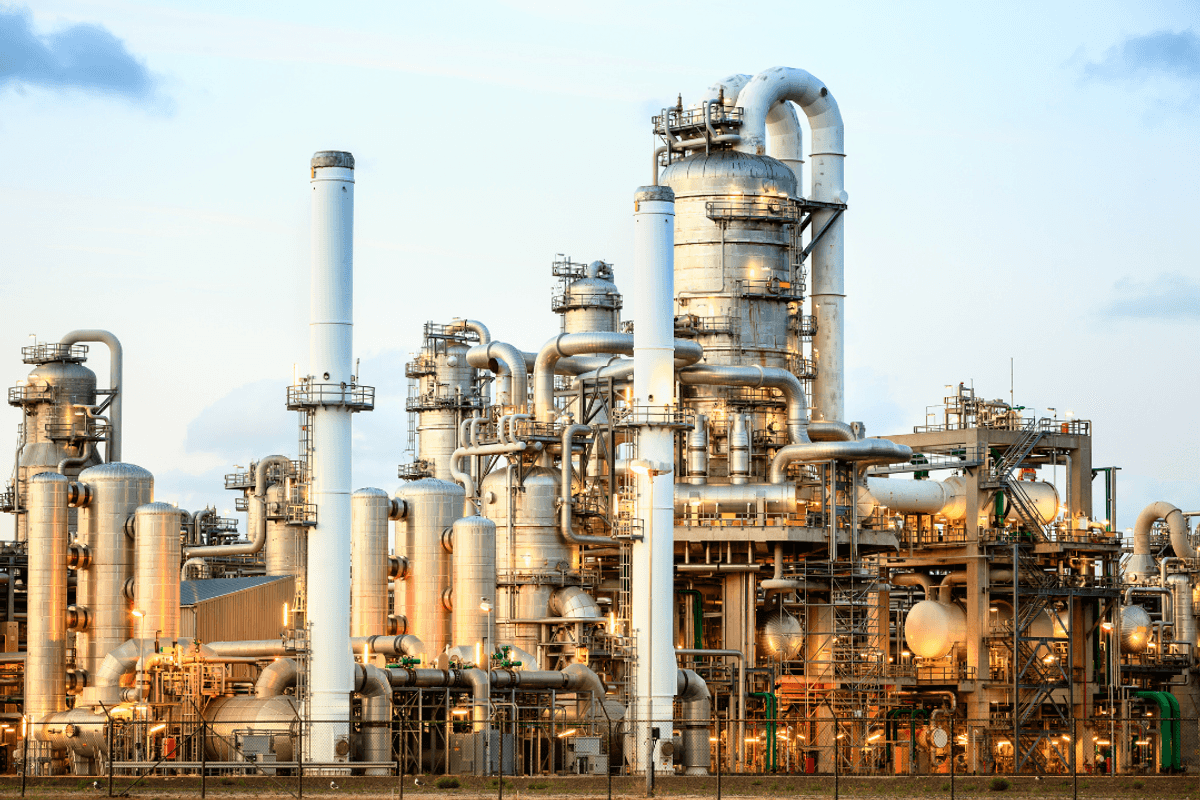
Pakistan ends refinery policy deadlock with USD 5 billion-USD 6 billion upgrade plan
None
Pakistan has approved long-awaited amendments to its oil refining policy, ending years of regulatory uncertainty that industry executives say cost the country between USD 1.5 billion and USD 2 billion annually in lost foreign exchange savings, delayed investment and continued reliance on imported petroleum products.
The Cabinet Committee on Energy, chaired by Prime Minister Shehbaz Sharif, on Monday approved the amended Oil Refining Policy, paving the way for an estimated USD 5 billion-USD 6 billion in refinery upgrades aimed at producing cleaner Euro-V fuels, increasing domestic gasoline and diesel output, and reducing furnace oil production.
The approval concludes a policy process that began more than six years ago. The original refining policy was notified on Aug. 17, 2023, amended in February 2024 and revised again following extensive consultations among the government, local refineries, and independent financial and legal advisers.
"The amended Oil Refining Policy was finally approved today after taking into consideration the genuine concerns of the refineries on issues that would otherwise have rendered the proposed upgradation projects unviable," Attock Refinery Chief Executive Officer Adil Khattak said in a statement.
Khattak, who also chairs the Energy Committee of the Overseas Investors Chamber of Commerce and Industry, said the repeated delays had come at a heavy cost to Pakistan.
"Every year of delay in upgrading the local refineries was causing a loss of USD 1.5 billion to USD 2 billion to the country," he said, attributing the losses to continued imports of refined petroleum products and delayed modernization of domestic refining capacity.
The refinery upgrades are expected to enable local plants to meet Euro-V fuel specifications, improve environmental performance, and significantly increase production of high-demand petroleum products such as gasoline and diesel.
Industry officials say the projects will also reduce furnace oil production, which has become increasingly uneconomical as Pakistan's power generation mix shifts toward coal, nuclear energy, hydropower, and natural gas. Weak domestic demand for furnace oil has frequently forced refineries to lower operating rates because of storage constraints.
The policy is expected to unlock one of the country's largest private-sector industrial investment programs, with refiners planning multibillion-dollar expansion and modernization projects.
Pakistan continues to import substantial volumes of refined petroleum products despite having domestic refining capacity because its existing refineries produce relatively high volumes of furnace oil and lower yields of transportation fuels than modern conversion refineries.
The government believes the investment will strengthen energy security, reduce dependence on imported fuels, and generate substantial foreign exchange savings over the long term.
Khattak described the approval as a landmark achievement for the government, although he said the amended framework still penalizes some refineries for delays beyond their control.
"Though the amended policy unfairly penalises some of the refineries for the delay, it is still an occasion to celebrate in the larger interests of the country," he said.
He also praised Petroleum Minister Ali Pervaiz Malik and officials of the Petroleum Division for steering the policy through consultations with industry stakeholders and relevant government departments after years of negotiations.
The refining policy faced repeated delays because of changes in successive governments, shifting fiscal policies, and prolonged bureaucratic consultations, postponing investment decisions that the industry says could have strengthened Pakistan's fuel supply chain years earlier.




Comments
See what people are discussing