

Pakistan loses up to PKR 250 billion annually to diesel smuggling, industry warns
Sharp drop in diesel sales during peak harvest season raises concerns over tax losses, investment risks and job threats across the petroleum sector

Haris Zamir
Business Editor
Experience of almost 33 years where started the journey of financial journalism from Business Recorder in 1992. From 2006 onwards attached with Television Media worked at Sun Tv, Dawn Tv, Geo Tv and Dunya Tv. During the period also worked as a stringer for Bloomberg for seven years and Dow Jones for five years. Also wrote articles for several highly acclaimed periodicals like the Newsline, Pakistan Gulf Economist and Money Matters (The News publications)
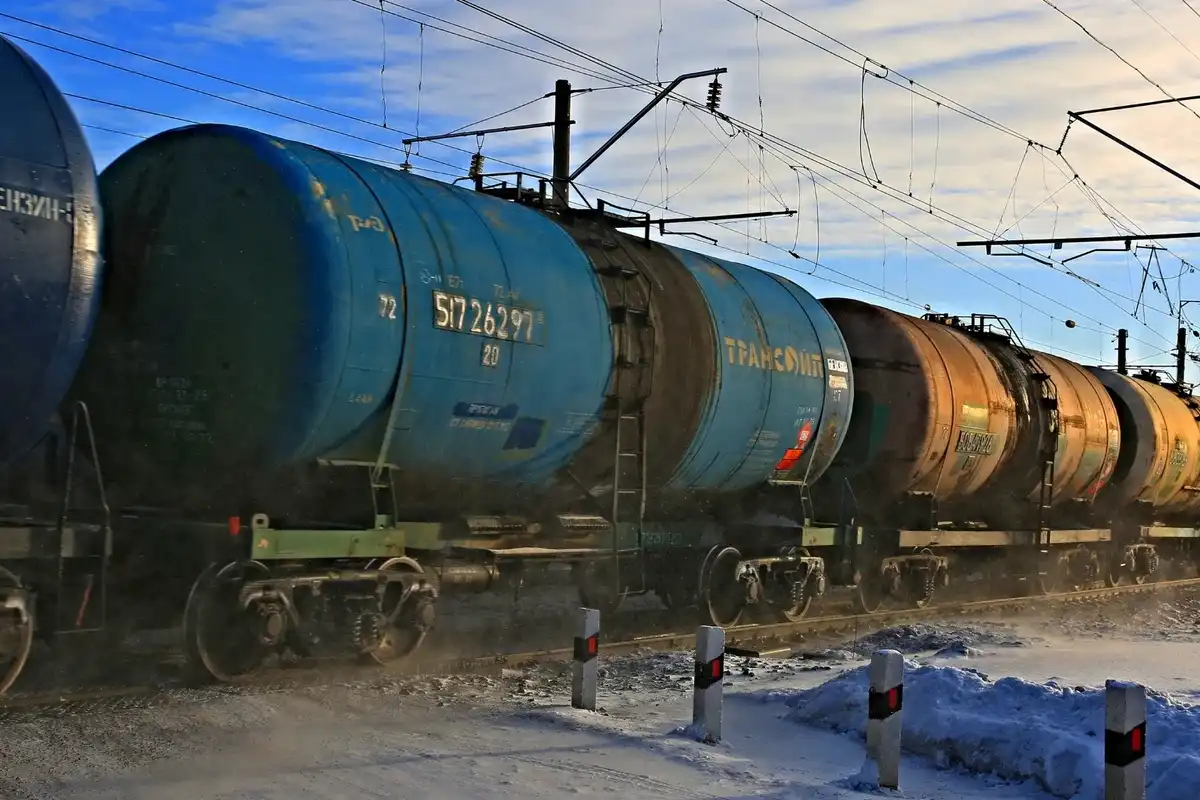
Diesel smuggling costs Pakistan an estimated PKR 250 billion a year in lost revenue
None
Pakistan is losing an estimated PKR 250 billion in annual revenue, roughly equivalent to a single tranche disbursed under the country's International Monetary Fund (IMF) support program, as large-scale smuggling of high-speed diesel (HSD) through its western borders erodes tax collection, discourages investment in the petroleum sector, and threatens jobs across the fuel supply chain, according to industry officials and market participants.
The assessment comes after industry experts highlighted an unprecedented decline in diesel sales during the peak agricultural harvesting season, raising concerns about the scale of illicit fuel trade and its broader impact on the economy.
HSD sales fell 34% year-on-year to 455,000 metric tons in May 2026, down from 691,000 metric tons in the same month last year, despite May traditionally being one of the strongest demand periods due to harvesting activities and increased transportation needs.
Average daily diesel consumption dropped to about 14,000 metric tons in May from nearly 22,000 metric tons a year earlier, according to industry figures reviewed by market participants.
The sharp decline has surprised oil industry stakeholders because it occurred during a period when fuel demand typically rises. Industry officials noted that diesel consumption had reached 683,000 metric tons as recently as November 2025, suggesting that the latest slump does not reflect a structural collapse in demand.
Motor gasoline, or petrol, sales also declined 14% during the same period.
Industry experts argue that the drop in diesel demand cannot be explained solely by fuel prices because HSD is generally less price-sensitive than gasoline and is widely used by freight transporters, industrial operators, and the agricultural sector.
Instead, petroleum sector representatives attribute the decline primarily to large-scale diesel smuggling from neighboring countries through Pakistan's western border regions.
According to estimates shared by key industry players, between 5,000 and 6,000 metric tons of smuggled diesel enter the domestic market every day. Some market participants believe the actual volume could be closer to 8,000 metric tons daily, based on comparisons with historical consumption patterns during peak-demand months.
The illicit inflow is depriving the government of substantial tax revenues. Industry calculations suggest the exchequer is losing around PKR 700 million each day in petroleum levy collections, customs duties, and other taxes, translating into approximately PKR 250 billion annually based on conservative smuggling estimates.
If smuggling volumes are closer to 8,000 metric tons per day, annual revenue losses could exceed PKR 350 billion, according to industry assessments.
The revenue leakage comes at a time when Pakistan remains under pressure to strengthen tax collection and meet fiscal targets agreed with the IMF. Analysts note that the estimated annual losses from diesel smuggling are comparable to the size of a typical IMF loan installment that Islamabad secures only after implementing difficult reforms and meeting performance benchmarks.
Beyond the fiscal impact, industry participants warn that the surge in illegal fuel trade is undermining investment prospects in Pakistan's downstream petroleum sector.
Oil marketing companies (OMCs) and domestic refineries have reported a sharp decline in legitimate sales volumes, affecting profitability and reducing incentives for future investment in refining upgrades and fuel infrastructure.
Refineries have been particularly affected because weaker product demand is forcing them to operate at lower throughput levels.
Industry experts say complex refinery units become increasingly uneconomical when operating at only 50% to 70% of capacity for extended periods. Fixed operating costs, own-use fuel consumption, and processing losses remain largely unchanged regardless of throughput, significantly increasing per-barrel refining costs.
Reduced refinery operations also lower domestic production of gasoline and other petroleum products, potentially increasing Pakistan's dependence on imports and adding pressure on the country's foreign exchange reserves.
Industry stakeholders further cautioned that prolonged low refinery utilization could affect the availability of aviation fuel and other critical petroleum products required by key sectors of the economy.
The slowdown has also created inventory challenges across the supply chain.
Oil marketing companies and refineries had built inventories in anticipation of seasonal demand from the agricultural sector and freight transportation. However, the expected consumption failed to materialize, leaving companies with significant unsold stocks and tying up working capital.
Industry officials said the continued influx of untaxed fuel is distorting market competition, weakening formal-sector businesses, and threatening employment linked to refining, transportation, fuel distribution, and retail operations.
They urged authorities to intensify border enforcement efforts and crack down on illicit fuel networks, arguing that curbing smuggling could simultaneously boost government revenues, support domestic industry, protect jobs, and improve investor confidence without imposing additional taxes on consumers.
"Every liter of smuggled diesel sold in Pakistan represents lost tax revenue, reduced legitimate business activity, and a direct blow to investment and employment," an industry observer said, calling for coordinated action by customs authorities, border security agencies, and law enforcement bodies.
Economists say tackling fuel smuggling could provide the government with a significant source of additional revenue at a time when policymakers are seeking ways to narrow the fiscal deficit while sustaining economic growth.





Comments
See what people are discussing