

Pakistan mills concerned over historically low cotton area, thrips threat in Punjab
Demand Punjab government to ramp up pest surveillance

Business Desk
The Business Desk tracks economic trends, market movements, and business developments, offering analysis of both local and global financial news.
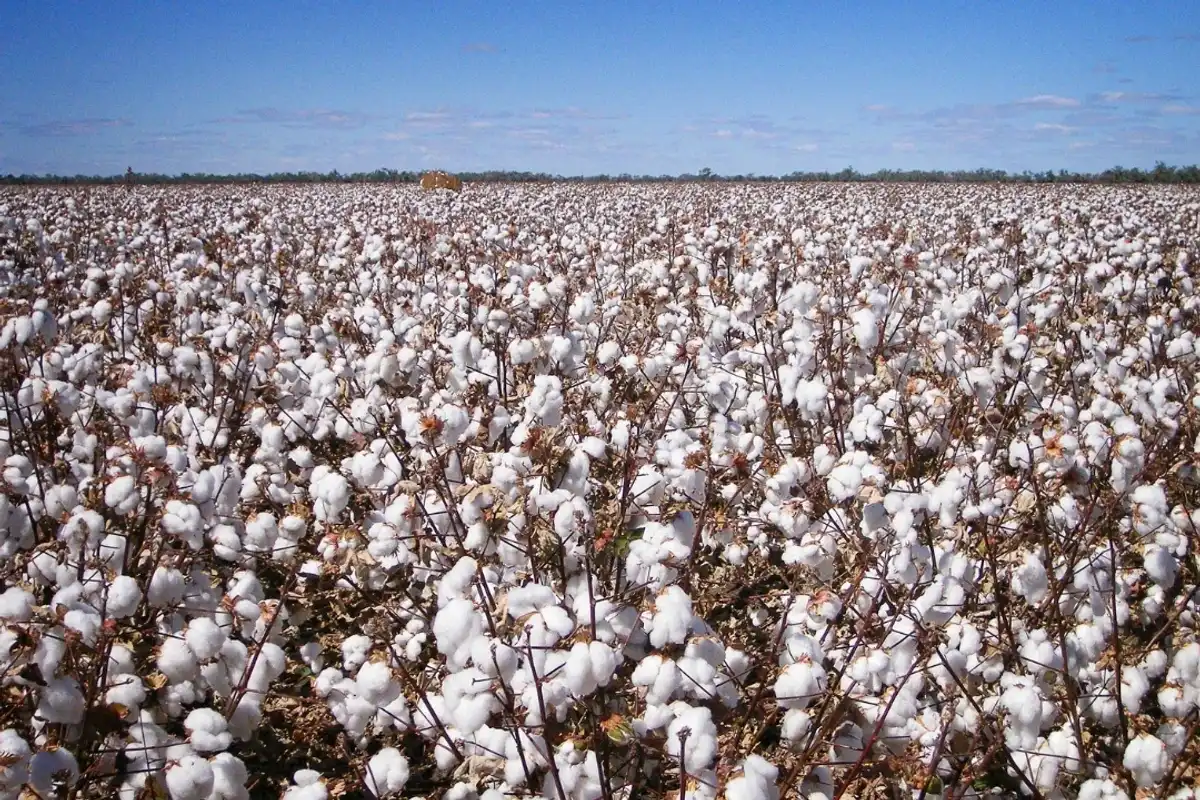
Pakistan's textile industry has raised concerns over historically low cotton acreage in Punjab and urged provincial authorities to strengthen crop monitoring, pest management, and production forecasting.
The All Pakistan Textile Mills Association (APTMA) said the situation could worsen the country's growing dependence on imported cotton.
Why is Pakistan's cotton acreage at a historic low?
The cotton cultivation area in Punjab has dropped to historically low levels this season, the All Pakistan Textile Mills Association (APTMA) said.
The shrinking acreage has raised concerns for agriculture, the textile industry, and export earnings.
In a letter to the Punjab agriculture secretary, Iftikhar Ali Sahoo, APTMA has urged action to strengthen crop monitoring, pest management, and production forecasting to support the country's cotton revival.
How is the thrips infestation hurting cotton?
APTMA warned that a widespread thrips infestation has been detected in numerous cotton fields across Punjab. Delayed pest control has begun affecting plant growth and fruit retention.
The association said immediate intervention is needed to prevent further damage during a critical phase of crop development. It urged the provincial agriculture department to intensify pest surveillance.
APTMA asked authorities to give farmers timely, area-specific guidance on pest scouting, economic threshold levels, and effective control measures.
What data is APTMA asking from Punjab?
APTMA requested the launch of regular weekly reports on cotton crop conditions across all cotton-growing districts of Punjab. It also sought updated district-wise and tehsil-wise sowing statistics.
The association asked for detailed acreage data and, where possible, farmer-level or cluster-level information. The data would improve industry planning and coordination.
APTMA also called for realistic, scientifically based cotton production forecasts. It wants periodic updates on crop health, pest pressure, weather-related risks, and expected yield trends.
The association said its teams recently visited major cotton-growing districts, including Multan, Khanewal, Lodhran, and Vehari. The visits assessed crop conditions and farmer response during the ongoing season.
Crop conditions in many early and timely sown areas remain encouraging despite the lower acreage. Favorable weather, suitable temperatures, and good fruit-setting have been observed in several regions.
The conditions offer potential for improved yields if the crop receives proper management. The coming growth stages will be critical.
Why does Pakistan's cotton industry matter?
The textile industry is closely monitoring the cotton crop due to Pakistan's increasing reliance on imported cotton. Domestic production has declined over recent years.
APTMA said reliable acreage data, field assessments, and production forecasts would help policymakers and industry stakeholders make informed decisions. They would also support market stability and national planning.
The association reiterated its support for government cotton revival initiatives. Stronger coordination would help protect farmer incomes, reduce import reliance, and support Pakistan's largest export industry.





Comments
See what people are discussing