

Pakistan marks 79th Independence Day with calls for unity, reforms and regional peace
Pakistan's 79th Independence Day began with a 31-gun salute in Islamabad as leaders called for national unity, economic reform and regional stability

News Desk
The News Desk provides timely and factual coverage of national and international events, with an emphasis on accuracy and clarity.
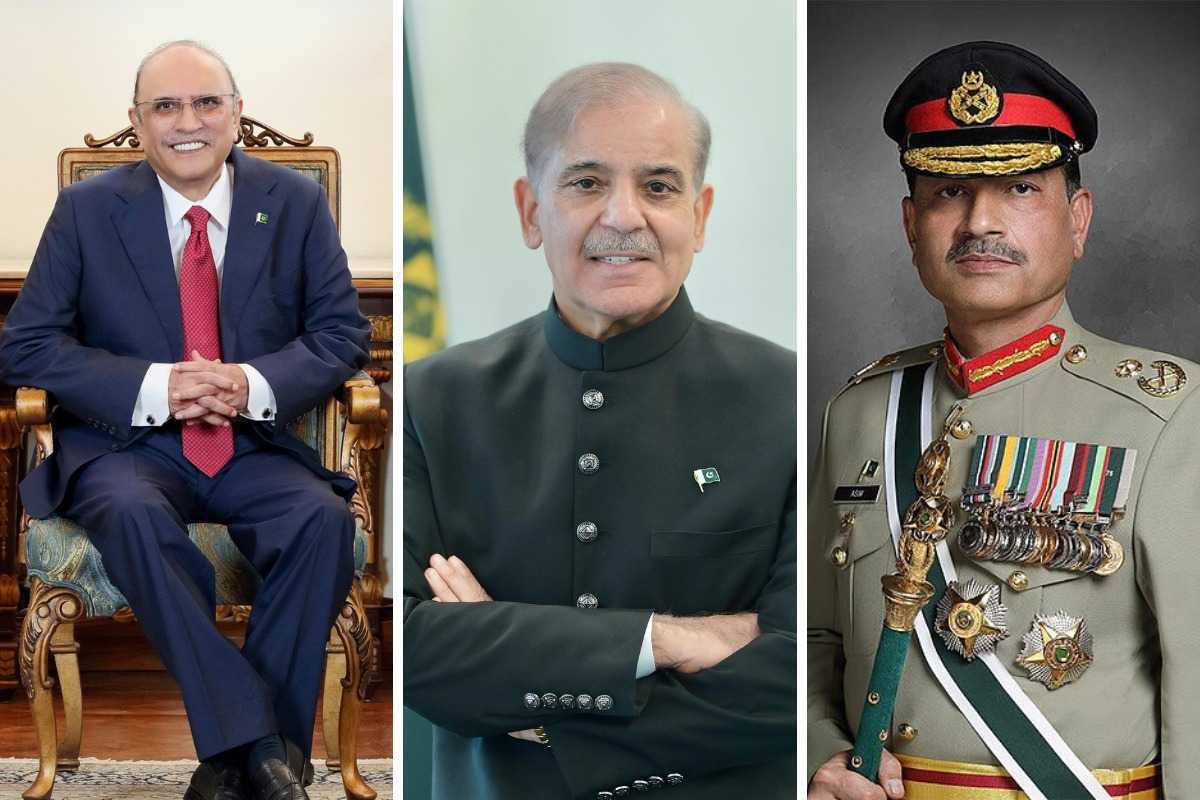
A collage of Pakistan's civilian and military leadership. President of Pakistan Asif Zardari (L); Prime Minister of Pakistan Shehbaz Sharif (C); and Army Chief Field Marshal Asim Munir (R).
Nukta
Pakistan marked its 79th Independence Day on August 14, 2026, with civilian and military leaders calling for national unity, institutional reform, and regional peace. The day began with a 31-gun salute in Islamabad and 21-gun salutes at provincial headquarters, alongside a change of guards ceremony at the mausoleum of Quaid-i-Azam Muhammad Ali Jinnah in Karachi.
What did Pakistan's leaders say on the 79th Independence Day?
President Asif Ali Zardari, Prime Minister Shehbaz Sharif, and the military leadership all emphasised national unity, economic progress, and stronger institutions. Zardari called independence a responsibility each generation must carry forward, while Sharif highlighted economic gains including an $11.3 billion rise in remittances over the past two-and-a-half years. The joint military message called for national cohesion, tolerance, and adherence to the principles of faith, unity, and discipline.
What did President Zardari say on Pakistan's Independence Day?
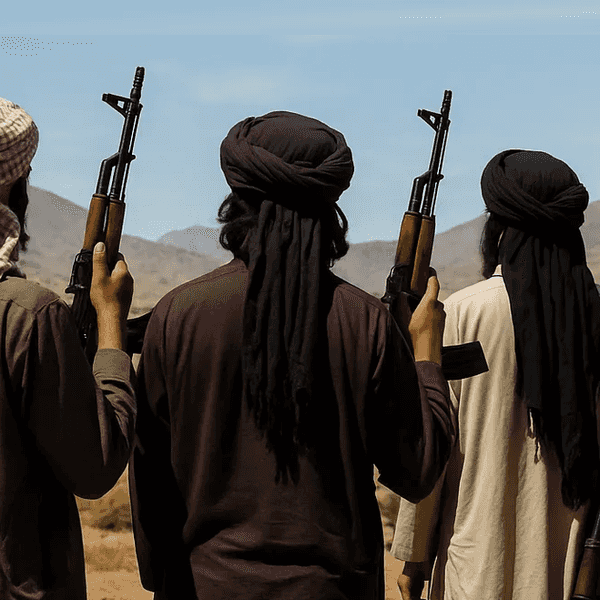
Zardari paid tribute to the founders of Pakistan and called for economic and institutional reforms, better education, and greater opportunities for young people. Reflecting on last year's military conflict with India, he said the events of Marka-i-Haq demonstrated that Pakistan seeks peace but also possesses the resolve to defend its sovereignty. He warned Afghanistan's Taliban government to stop what he described as support for militant groups launching attacks against Pakistan, accusing the Taliban of collaborating with India in attacks on Pakistani civilians and security personnel.
Zardari also praised Pakistan's diplomatic role, saying its geographic position and channels of communication had helped encourage dialogue and de-escalation at a time when wider conflict could have had serious regional consequences.
What did Prime Minister Shehbaz Sharif say on Independence Day?
Sharif praised Pakistan's founding leaders and highlighted economic priorities including information technology, industrial and agricultural development, employment generation, and education. He commended the armed forces for their role in Marka-i-Haq and said Pakistan remained committed to defending its national interests, including water resources. He pointed to the Makkah Joint Defence Agreement between Pakistan, Saudi Arabia, and Turkiye as evidence of Pakistan's growing strategic role in the region.
Sharif called for national unity and expressed solidarity with the people of occupied Kashmir and Palestine, saying a lasting resolution to the Kashmir dispute required diplomacy and adherence to international law.
What did Pakistan's military leadership say on Independence Day?
Chief of Defence Forces and Army Chief Field Marshal Syed Asim Munir, Chief of Naval Staff Admiral Naveed Ashraf, and Air Chief Marshal Zaheer Ahmed Baber Sidhu issued a joint message paying tribute to national heroes, veterans, law enforcement personnel, and martyrs. The statement reaffirmed the armed forces' commitment to defending Pakistan's sovereignty and territorial integrity against all threats. The military leadership concluded by calling for greater national cohesion and a united approach toward national security and prosperity.



Comments
See what people are discussing