

Pakistan moves toward local vaccine manufacturing with Saudi support
Government cites rising population and future funding risks

Business Desk
The Business Desk tracks economic trends, market movements, and business developments, offering analysis of both local and global financial news.
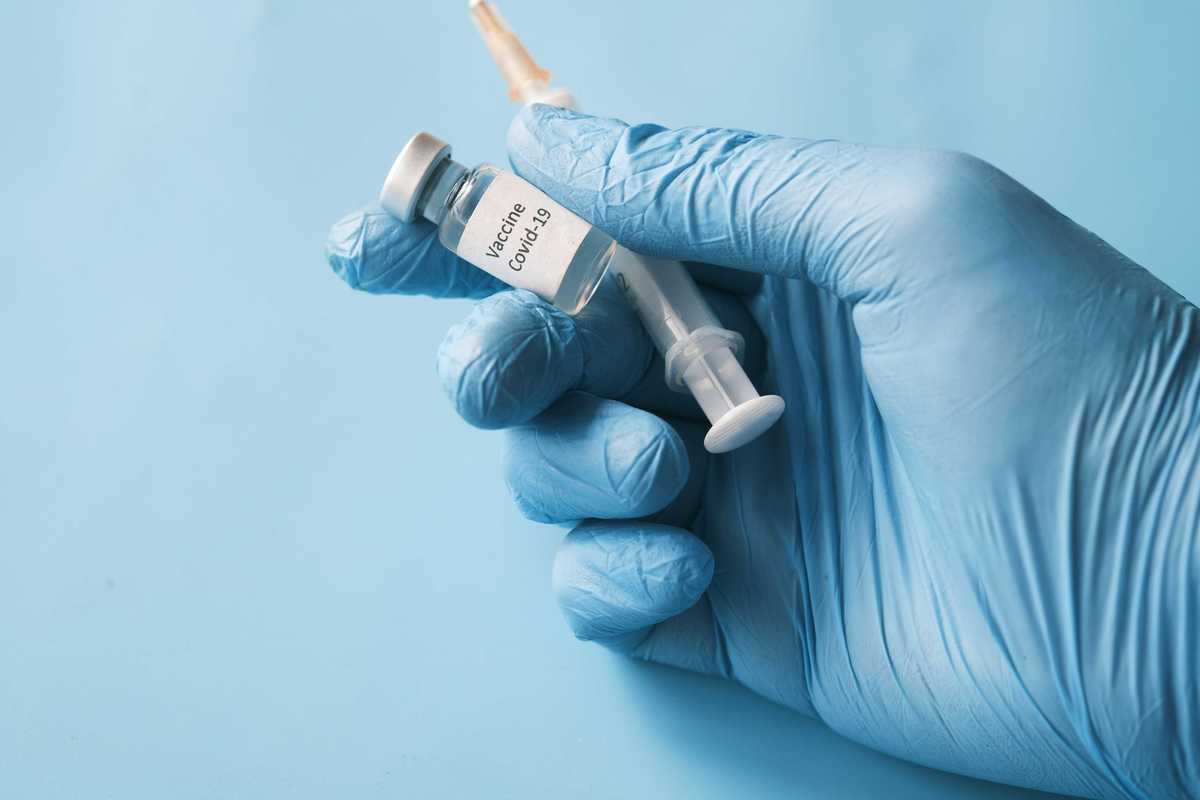
Pakistan has made significant progress toward the local production of vaccines as a high-level delegation from Saudi Arabia visited Islamabad to explore bilateral cooperation in vaccine manufacturing, government officials said.
The Saudi delegation, led by Nizar Al-Hariri, senior adviser to the Saudi Minister of Industry, held meetings with Federal Health Minister Mustafa Kamal and senior officials of Pakistan’s Ministry of Health.
During the meeting, both sides discussed Pakistan’s current capacity for local vaccine production, future demand, available infrastructure and related technical capabilities, according to officials.
Heads of the Ministry of Health and its subordinate institutions briefed the delegation, including the Chief Executive Officer of the Drug Regulatory Authority of Pakistan (DRAP) and the Chief Executive Officer of the National Institute of Health (NIH).
Health Minister Mustafa Kamal said Pakistan has been engaged in repeated discussions with Saudi health authorities on the issue.
“I have discussed local vaccine production multiple times with Saudi health ministers,” Kamal said.
Highlighting the scale of Pakistan’s needs, Kamal said the country’s population stands at approximately 240 million, making it the fifth most populous country in the world.
“Every year, around 6.2 million children are born in Pakistan,” he said. “If we compare, Pakistan’s annual population increase is equivalent to the total population of New Zealand.”
Kamal said the government currently provides 13 different vaccines free of cost to citizens under the national immunization program.
“Not a single one of these vaccines is manufactured locally,” he said. “The Government of Pakistan imports these vaccines with the support of international organizations.”
The annual cost of vaccine procurement is about $400 million, Kamal said, adding that 49% of the cost is covered by international partners, while 51% is borne by the government.
“This support keeps the financial burden relatively manageable,” he said. “However, after 2031, international assistance will come to an end.”
After that point, Pakistan will have to finance the full cost of vaccines from its own economy, Kamal warned.
“If local vaccine production is not established, annual costs could rise to $1.2 billion by 2031,” he said. “This would place a significant burden on the national economy.”
Kamal said that under the leadership of Prime Minister Shehbaz Sharif, the Ministry of Health has begun taking urgent steps to address these challenges.
“Practical progress is being made toward the local production of vaccines for 13 diseases in Pakistan,” he said.
He added that cooperation between Pakistan and Saudi Arabia in the health sector could serve as a model for the wider region.
“The partnership between Pakistan and Saudi Arabia in healthcare will set an example for the region,” Kamal said.




Comments
See what people are discussing