

Pakistan to halve import tariffs by 2030 under new National Tariff Policy
Pakistan plans to cut average import tariffs from 20.19% to 9.70% by 2030 under its National Tariff Policy, easing duties on autos, pharma, logistics and construction
Haris Zamir
Business Editor
Experience of almost 33 years where started the journey of financial journalism from Business Recorder in 1992. From 2006 onwards attached with Television Media worked at Sun Tv, Dawn Tv, Geo Tv and Dunya Tv. During the period also worked as a stringer for Bloomberg for seven years and Dow Jones for five years. Also wrote articles for several highly acclaimed periodicals like the Newsline, Pakistan Gulf Economist and Money Matters (The News publications)
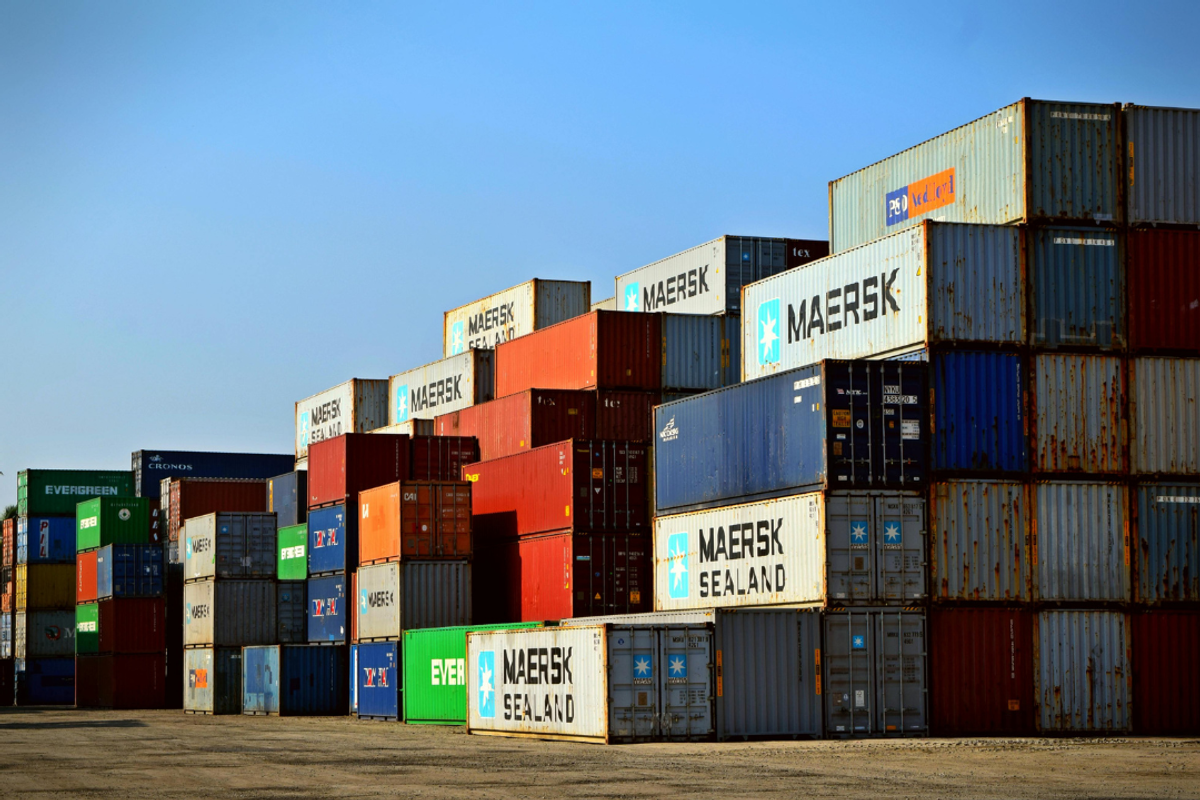
Pakistan plans to significantly reduce import tariffs over the next five years under the National Tariff Policy 2025-30, a move aimed at enhancing industrial competitiveness, encouraging exports, and lowering costs for consumers.
Commerce Secretary Jawad Paul briefed the National Assembly Standing Committee on Finance, chaired by MNA Syed Naveed Qamar, on the government's strategy to rationalize customs duties.
How much will Pakistan's average tariff rate fall under the new policy?
The government intends to reduce the country's average tariff rate from 20.19% to 9.70% over the next five years.
The average customs duty rate is also targeted to decline from 11.93% to 9.70%, while the maximum customs duty rate will be capped at 15%.
"The objective of the National Tariff Policy is to promote competition and improve efficiency within the economy," Paul told the committee.
The trade-weighted average tariff is expected to fall from the current 10.6% to below 6% over the same period, according to the Ministry of Commerce.
What duties will be phased out under the National Tariff Policy?
The government plans to eliminate Additional Customs Duties over the policy period. The existing 6% ACD slab will be reduced to 4%, then 2%, before being abolished altogether. Regulatory Duties will also be gradually phased out, with the maximum RD rate targeted at 20%, while duties of 1%, 2% and 2.5% would be eliminated.
Paul noted that Pakistan had already reduced some regulatory tariffs, with duties that previously reached as high as 50% already brought down to around 20%. The reform also simplifies the existing five customs duty slabs into four: 0%, 5%, 10% and 15%.
[H2: How will the government offset lost tariff revenue?
The tariff rationalization exercise is expected to have a revenue impact of approximately PKR 143.4 billion on the national exchequer.
Committee member Mirza Ikhtiar Baig questioned how the government would compensate for the potential loss in customs revenue.
Paul said the shortfall would be offset through other fiscal and economic measures, arguing that broader economic activity generated by a more competitive trade environment would support government revenues over time.
What did lawmakers say about the tariff reforms?
Chairman Naveed Qamar welcomed the direction of the reforms, saying policymakers had long argued that Pakistan needed to improve export competitiveness.
"We repeatedly hear that exports are not growing. This appears to be a step in the right direction," he said. PPP lawmaker Sharmila Faruqui asked whether the ministry had assessed the impact of the reforms on consumer prices.
PPP MNA Dr. Nafisa Shah said tariff reductions alone would not be sufficient to strengthen Pakistan's manufacturing sector, urging the government to address energy pricing and offer industrial support comparable to incentives provided by China.
"We need to look at energy prices and provide facilities to industry similar to those offered by China to its manufacturers," she said.
What changes are planned for used vehicle imports?
One of the most significant proposals discussed involved used vehicle imports. Officials said the regulatory duty on used vehicle imports would be reduced from 40% to 30%, while the existing five-year restriction on importing used cars would be removed.
Paul said the objective was to improve consumer welfare, expand market access, and increase competition in the automobile sector. Qamar argued that Pakistan's auto industry had historically enjoyed excessive protection, saying greater competition from imported vehicles could help lower prices and improve quality for consumers.
The committee was also informed that 62 safety standards applicable to imported vehicles would be enforced on locally manufactured vehicles to ensure a level regulatory playing field.



Comments
See what people are discussing