

Pakistan pharma stocks surge 3.3x since 2024 as margins hit record highs
Export boom and cheaper Chinese APIs fuel profit growth, analysts see further upside

Business Desk
The Business Desk tracks economic trends, market movements, and business developments, offering analysis of both local and global financial news.
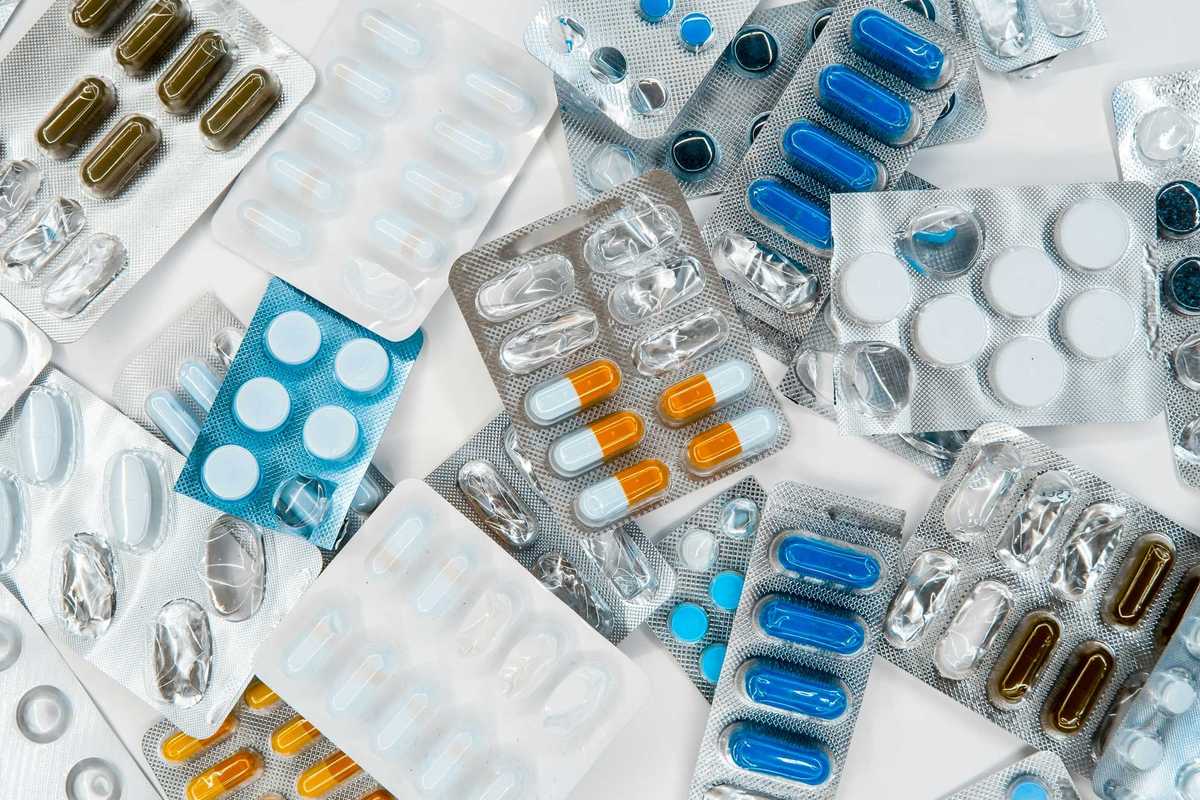
Pakistan’s pharmaceutical sector has rallied 3.3 times since 2024, emerging as one of the stock market’s top-performing segments, with analysts saying the industry may still have room to grow amid record margins, surging exports and easing raw material costs.
Sector profits have risen more than fourfold during fiscal years 2023 to 2025, driven by the deregulation of prices for non-essential drugs, a sharp upturn in exports and new product launches.
Analysts expect calendar year 2026 to deliver another strong performance, with sector profits projected to grow about 35% year-on-year. Several companies are also rebounding from losses or recovering from a low earnings base in 2025.
The rally has lifted shares of major pharmaceutical companies listed on the Pakistan Stock Exchange, with some stocks still trading below 15 times forward earnings. These include The Searle Company Limited, Abbott Laboratories (Pakistan) Limited, Highnoon Laboratories Limited, GlaxoSmithKline Pakistan Limited, Haleon Pakistan Limited, AGP Limited and Citi Pharma Limited.
The sector is currently trading at a free-float adjusted forward price-to-earnings ratio of 16.0 times and a price-to-sales ratio of 1.9 times for 2026, still below the 10-year averages of 19.6 times and 2.2 times, respectively.
Margins at record highs
Gross margins for the sector crossed 42% in the third quarter of 2025, reaching all-time highs following price deregulation and a roughly 35% decline in Chinese active pharmaceutical ingredient (API) costs.
Pakistan imports about 85% of its APIs, with China accounting for approximately 60% to 70% of total API imports. Global prices for key molecules such as paracetamol, amoxicillin and clavulanate fell 35% to 40% in 2025 from their peak levels, amid post-pandemic overcapacity and aggressive pricing by Chinese manufacturers.
The lower input costs have directly improved gross margins for local drug manufacturers, who rely heavily on imported raw materials.
Unlike previous cycles marked by regulatory price caps and foreign exchange shocks, the current pricing framework allows better cost pass-through and improved earnings predictability, analysts said.
While localization of raw material sourcing is gradually increasing, only around 30 APIs are produced domestically by six to seven manufacturers, meeting just 10% to 12% of total API
A report published by Intermarket Securities noted that a structural earnings tailwind was emerging for Pakistan’s pharmaceuticals, driven by a sharp decline in global API prices, particularly from China (which contributes approximately 60-70% to Pakistan’s total API imports).
Following post-pandemic overcapacity and aggressive price competition among Chinese manufacturers, global API prices for key molecules (paracetamol, amoxicillin, and clavulanate) declined 35-40% in 2025 from their peak levels. These are largely targeted price cuts on selected APIs, aimed at maintaining competitiveness against emerging domestic Indian API capacity. For local drug manufacturers heavily reliant on imported raw materials, this translates directly into lower input costs and improved gross margins.
Exports on the move
Pakistan’s pharmaceutical exports grew 34% in FY25, hitting $457 million the highest growth in two decades. Combined therapeutic goods exports (medicines, devices, supplements) neared $909 million. While the trade halt with Afghanistan has hit some companies hard, other markets remain available – namely the Philippines, Sri Lanka, Uzbekistan and Iraq, while less regulated market such as Cambodia, Myanmar, and East Africa also offer high growth.
Expiry of blockbuster drug patents globally is helping expand the generics market, another key export driver for local names. In this backdrop, AGP leads in the listed space with the highest proportion of exports as % of sales at +10%.
Safe haven in volatile market
According to the report, the sector’s appeal is reinforced by a relatively stable exchange rate, a focus on exports, an ambitious product pipeline and improved earnings translation.
With record margins, strong export growth and declining global API costs, Pakistan’s pharmaceutical industry is increasingly viewed as a defensive or “safe haven” play in a volatile equity market.
While valuations have risen following the 3.3x rally since 2024, analysts say the sector still trades below long-term averages, leaving room for selective upside in companies with strong earnings visibility and export exposure.

Comments
See what people are discussing