Pakistan plans to expand olive cultivation across 15,000 acres over the next three years and strengthen processing, storage and marketing as the government seeks greater private-sector investment and higher farmer incomes, according to the Ministry of National Food Security and Research.
How is Pakistan expanding olive cultivation?
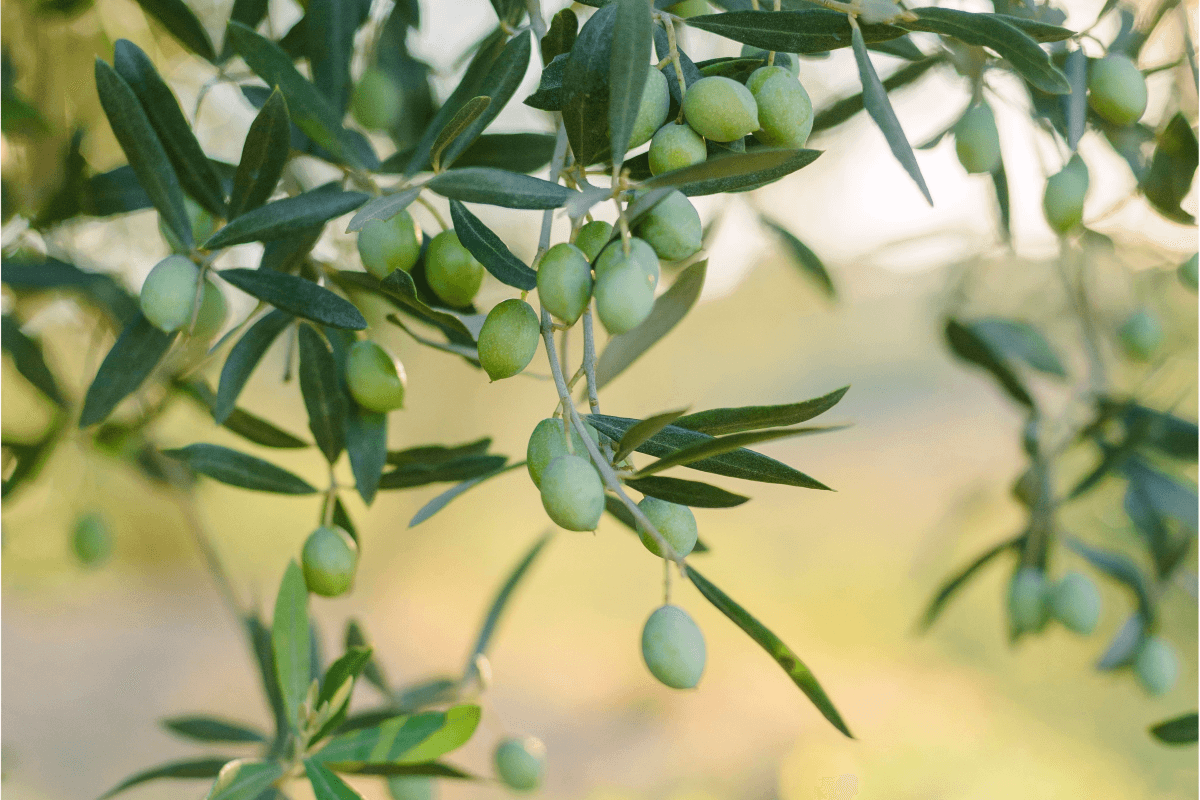
Pakistan plans to plant olives across 15,000 acres over the next three years and provide 2 million olive plants. The government also wants extraction, post-harvest, testing, storage and marketing facilities expanded, with greater private-sector investment and farmers placed at the center of the value chain.
Federal Minister for National Food Security and Research Rana Tanveer Hussain reviewed the initiative at a meeting on the Olive Culture Project, where a project team led by Dr. Muhammad Tariq briefed participants.
Hussain said developing Pakistan’s olive value chain should become a national priority and argued that the effort should extend beyond plantation to processing, storage and marketing.
“Farmers should be the central and primary beneficiaries of the olive value chain,” Hussain said, according to the ministry.
He also called for greater private-sector investment and participation in the olive industry, while directing officials to fully exploit the existing potential of the Potohar region.
What facilities does Pakistan’s olive sector need?
Hussain directed that extraction and post-harvest facilities be made available in every olive cluster to support farmers and improve the quality and value of locally produced olives and olive oil.
He also emphasized the need for an effective testing and storage system aimed at improving olive oil quality.
“Olive by-products should be prevented from going to waste and utilized for value addition,” Hussain said.
The project calls for olive plantations across 15,000 acres over the next three years, while 2 million olive plants will be provided during the same period, according to the ministry.
Hussain also directed officials to reassess machinery requirements and related costs on a realistic basis to support efficient implementation of the project.
Why is Pakistan developing an olive value chain?
The government wants olive cultivation to generate greater value for farmers by linking production with processing, storage, testing and marketing rather than focusing only on plantation.
Hussain said development of a national olive value chain would help increase farmers’ incomes while strengthening the sector’s contribution to Pakistan’s economy.
The government is also seeking greater private-sector participation as it expands cultivation and develops the infrastructure needed to support olive production and post-harvest activity.






Comments
See what people are discussing