

Pakistan power generation falls 19% in November as demand eases
Output broadly flat year on year, hydel and nuclear remain top contributors

Business Desk
The Business Desk tracks economic trends, market movements, and business developments, offering analysis of both local and global financial news.
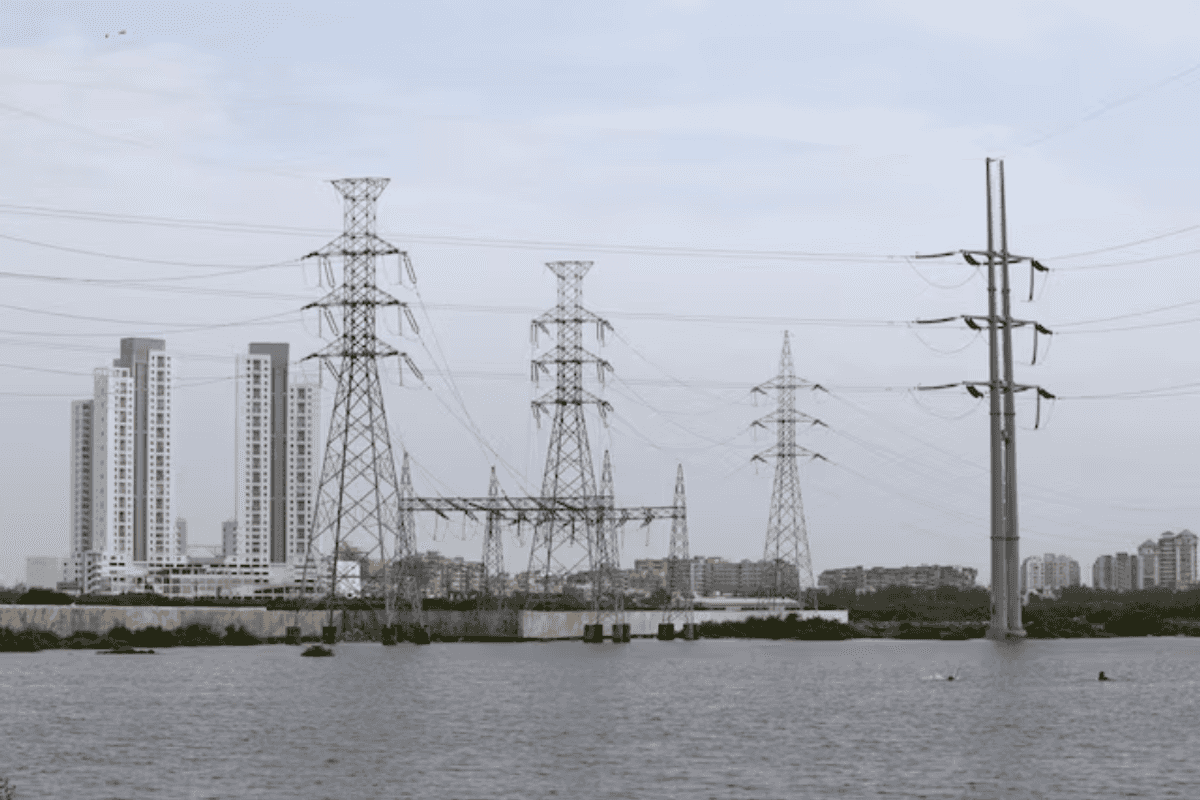
Power transmission towers are pictured in Karachi
Reuters
Power generation fell 19% in November from October as seasonal demand declined, while output was largely unchanged from a year earlier, industry data showed.
Total electricity generation stood at 8,050 gigawatt-hours (GWh) in November, compared with 8,032 GWh in the same month last fiscal year. Hydel and nuclear power remained the largest contributors to overall output.
For the first five months of the current fiscal year, generation totaled 58,869 GWh, nearly flat from the corresponding period a year earlier.
November output was 1.01% below the National Electric Power Regulatory Authority’s (Nepra) reference level of 8,133 GWh, largely due to the continued rise in distributed generation, despite lower tariffs and captive consumers shifting to the grid after a levy was imposed, according to analysts.
The effects of power purchase agreement terminations and renegotiations have largely been absorbed through quarterly tariff adjustments. Nepra approved a negative adjustment of PKR 1.89 per kilowatt-hour for the fourth quarter of fiscal year 2025, applied during August-October.
Quarterly adjustments are now normalizing, reflected in a first-quarter fiscal 2026 adjustment of PKR 0.33 per kWh for December-February 2026. However, demand running 5.2% below reference generation during July-November fiscal 2026 could put upward pressure on tariffs.
Adjusted fuel cost in November was PKR 6.16 per kWh, below the reference cost of PKR 6.88. Distribution companies have sought a negative fuel cost adjustment of PKR 0.72 per kWh, reflecting lower oil prices and a higher share of hydel generation. Nepra had assumed Brent crude at $73 per barrel, while actual prices averaged $63 in November. Softer imported coal prices also supported the adjustment.
Imported coal-based generation costs fell to PKR 14.13 per kWh, down 5.3% year over year, driven by lower coal prices. Imported coal power was priced at a PKR 3.64 per kWh discount to Thar coal, partly due to reduced Thar output. Historically, Thar coal has carried a premium of about PKR 4 per kWh over imported coal.
Hydel and RLNG-based generation exceeded reference levels, while nuclear, Thar coal and imported coal fell short. Hydel generation rose 10.2% year over year to 3,153 GWh, the highest ever for November and 21.7% above reference, helping lower fuel costs.
RLNG-based generation declined 23.3% to 696 GWh but remained 63.4% above reference, adding some upward pressure to fuel costs that was partly offset by lower oil prices. Imported coal generation dropped 14.7% to 407 GWh and was 32.5% below reference, likely due to higher winter system constraints.
Overall generation remained about 1% below the reference level despite a surplus of roughly 150 GWh and the effects of lower tariffs and captive consumers moving to the grid.
Power generation in December is expected to remain broadly stable from November, with hydel output likely to continue outperforming expectations and supporting lower fuel costs, potentially leading to further negative fuel cost adjustments.





Comments
See what people are discussing