

Pakistan develops private equity framework to mobilize domestic capital
Finance Minister Aurangzeb chaired the third meeting on Pakistan’s private equity framework, reviewing tax proposals and plans to mobilize domestic capital

Haris Zamir
Business Editor
Experience of almost 33 years where started the journey of financial journalism from Business Recorder in 1992. From 2006 onwards attached with Television Media worked at Sun Tv, Dawn Tv, Geo Tv and Dunya Tv. During the period also worked as a stringer for Bloomberg for seven years and Dow Jones for five years. Also wrote articles for several highly acclaimed periodicals like the Newsline, Pakistan Gulf Economist and Money Matters (The News publications)
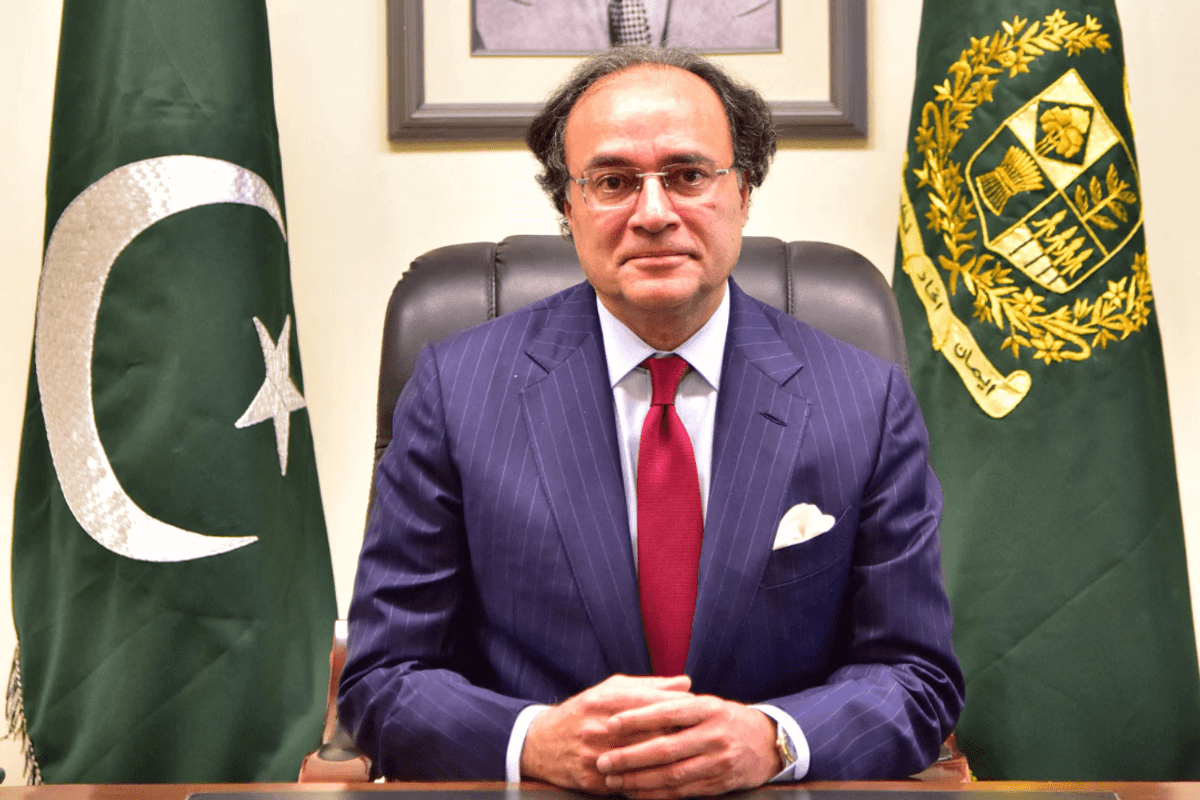
Finance Minister Muhammad Aurangzeb chaired the third meeting of the committee developing Pakistan’s private equity framework, which aims to channel domestic savings into businesses and investment projects.
The committee reviewed regulatory changes, tax proposals and ways to identify commercially viable opportunities as the government pursues reforms to expand private-sector financing.
What is Pakistan’s private equity framework?
Pakistan’s private equity framework is a government plan to channel domestic savings into private equity funds, businesses and commercially viable projects. Aurangzeb said mobilising domestic capital is the first step towards a functioning private equity market, which could later attract foreign institutional investors and enable international co-investment.
The committee examined potential opportunities in Pakistan’s private equity market, including business acquisitions, consolidation, new projects and exits by existing investors. Participants discussed building a substantial pipeline of investable opportunities over the next five to 10 years, backed by domestic liquidity that could be directed towards productive economic activity.
How will domestic capital be mobilized for private equity?
Mobilizing domestic institutional capital was a key focus of the meeting. Discussions covered funds held by banks, insurance companies, mutual funds, pension schemes and development finance institutions, while local corporations and family offices were also identified as potential investors.
The committee considered structures to channel these resources into private equity funds, businesses and commercially viable projects. Aurangzeb welcomed progress on the committee’s work and stressed the need to turn policy reforms into practical investment opportunities.
He said the framework should be transparent, commercially viable and attractive to investors. In his view, it should help mobilize domestic savings, draw institutional capital and support private-sector-led growth.
What regulatory and tax changes is the committee considering?
On regulatory reforms, the committee reviewed proposals concerning fund structures, transparency, investment arrangements and financial institutions’ participation in private equity funds. The State Bank of Pakistan briefed participants on recent regulatory changes, including an increase in the maximum amount banks may invest in a single private equity fund from 10% to 20%.
The committee also considered tax recommendations intended to give private equity funds a clear and competitive tax framework. These included a proposal to treat funds as pass-through entities, with tax levied at the investor level rather than the fund level.
Aurangzeb called for a review of international tax models to determine how they could be adapted to Pakistan’s economic and regulatory conditions. He said the proposed arrangements should facilitate legitimate investment while preventing tax arbitrage, unintended market distortions and inconsistencies in regulation.
Participants stressed the need for coordination among regulatory and taxation authorities. They said this would ensure consistent treatment of different investment vehicles and support the development of the private equity market.
What happens next for the framework?
Aurangzeb directed relevant stakeholders to resolve outstanding regulatory and tax issues, advance plans to mobilize domestic capital and identify viable investment opportunities. The aim is to move the framework towards implementation.
He said a stronger private equity ecosystem could deepen domestic capital markets, improve access to long-term risk capital, encourage private investment and support sustainable economic growth.
The meeting was attended by the adviser to the prime minister on privatization, the finance secretary, the chairman of the Federal Board of Revenue and other committee members from public- and private-sector institutions.





Comments
See what people are discussing