

Pakistan proposes tighter tax rules for international NGOs
FBR amendments would require embassy verification, security clearance, and expanded disclosure of foreign funding and ownership

Business Desk
The Business Desk tracks economic trends, market movements, and business developments, offering analysis of both local and global financial news.
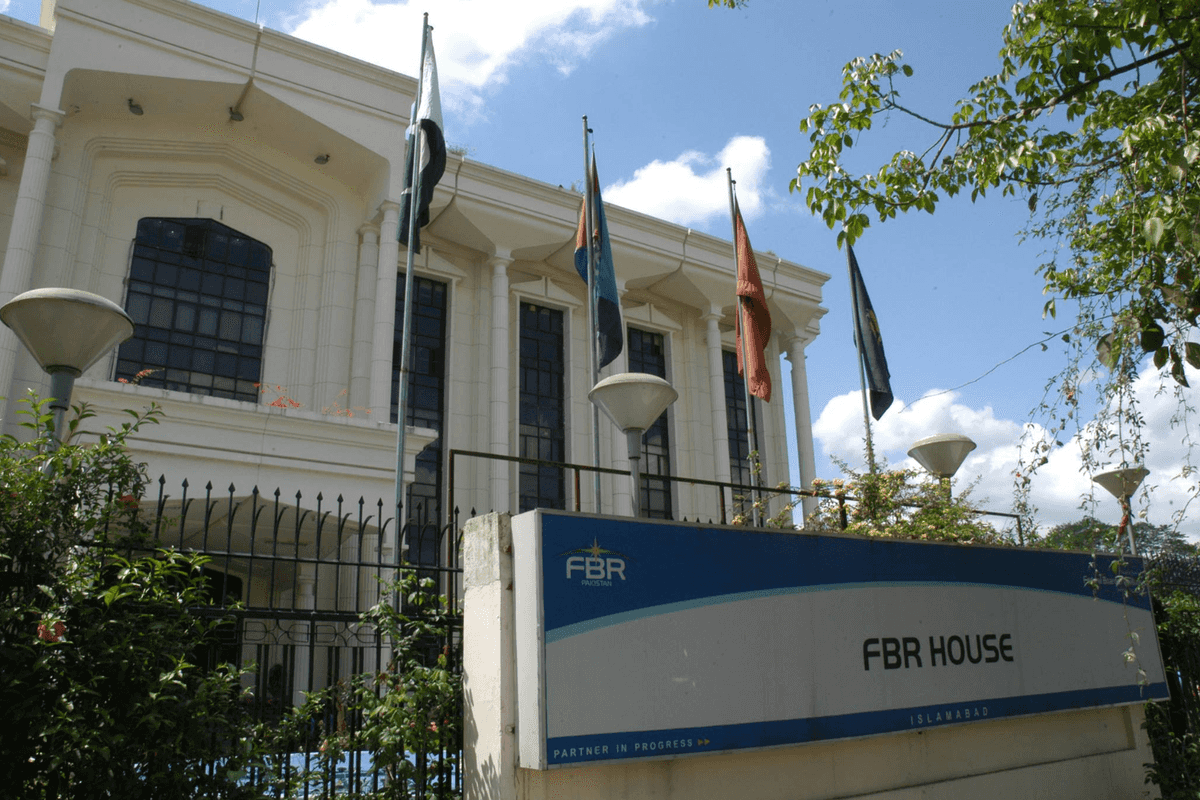
Pakistan’s tax authority has proposed sweeping new rules to tighten oversight of international non-governmental organizations (INGOs), linking tax registration with security clearances and diplomatic verification, according to a draft notification released for public comment.
The Federal Board of Revenue (FBR) has proposed amendments to Rule 80B of the Income Tax Ordinance, 2001, requiring INGOs operating in Pakistan to submit extensive documentation, including embassy verification letters, approval from the Ministry of Interior and Narcotics Control, and detailed information on stakeholders and foreign shareholders.
If approved, the changes would mark one of the most comprehensive overhauls of INGO tax registration requirements in recent years.
Under the draft, INGOs would be required to provide full organizational details, including office address, accounting period, business activity, and contact information. They would also need to nominate an authorized representative and submit formal documentation confirming the appointment.
Foreign INGOs would also be required to submit incorporation or tax registration documents from their home country, verified by the relevant embassy, along with proof of local presence such as lease agreements and utility bills.
A key proposed requirement makes registration conditional on obtaining a no-objection certificate (NOC) from the interior ministry and signing a memorandum of understanding (MOU) with the government of Pakistan.
The draft further expands disclosure rules, requiring INGOs to provide details of directors, trustees, partners, and any shareholder holding 10% or more, including nationality and passport information.
Legal analysts say the proposed changes reflect a broader shift toward integrating tax compliance with national security and oversight of foreign-funded organizations.
“The FBR is effectively aligning tax registration with national security and diplomatic protocols,” one analyst said, adding that the requirements would significantly increase compliance obligations for INGOs operating in the country.
The draft notification is open for public comment under Section 237(3) of the Income Tax Ordinance. Stakeholders have seven days from publication to submit objections or suggestions before the FBR finalizes the amendments.




Comments
See what people are discussing