

Pakistan raises PKR 492 billion in PIB auction as yields tumble on easing bets
The government had aimed to raise PKR 450 billion, while total bids reached PKR 2.06 trillion

Business Desk
The Business Desk tracks economic trends, market movements, and business developments, offering analysis of both local and global financial news.
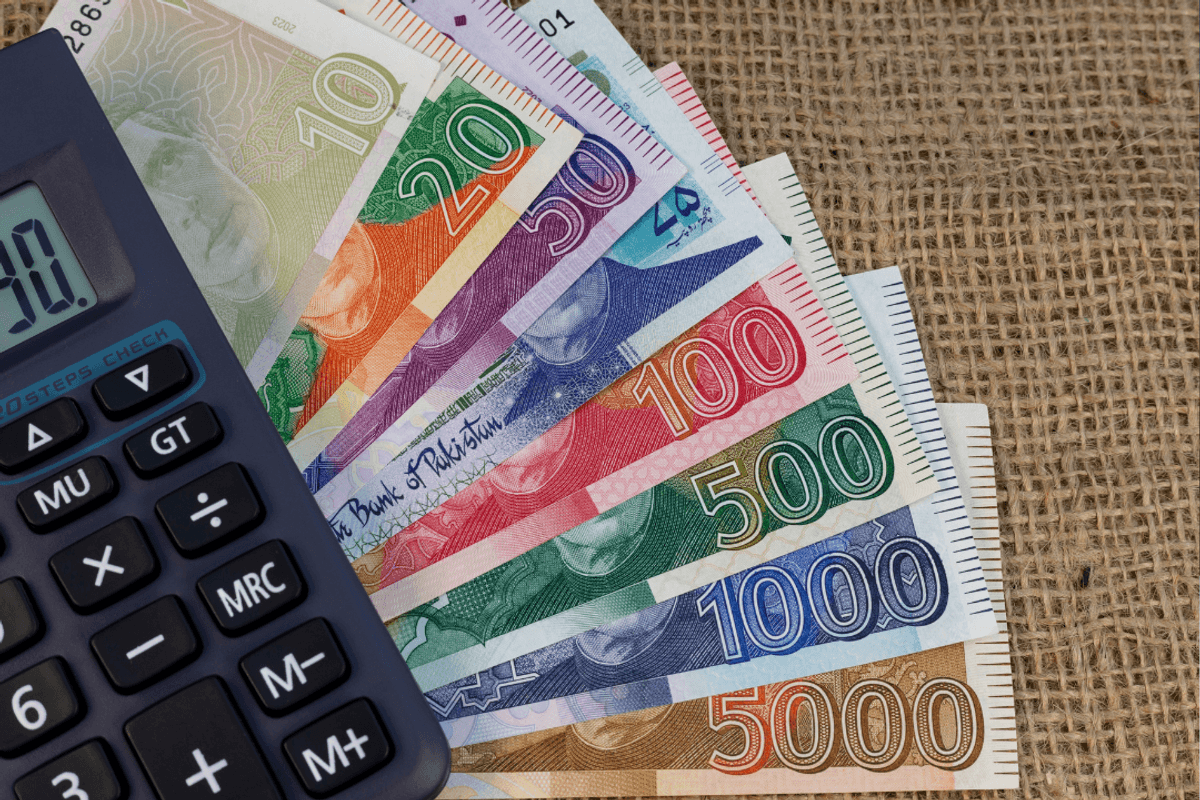
Pakistan raised PKR 492 billion in an auction of fixed-rate Pakistan Investment Bonds (PIBs) on Wednesday, exceeding its target as yields fell sharply across most maturities, signaling growing market expectations of easier monetary conditions.
The government had aimed to raise PKR 450 billion, while total bids reached PKR 2.06 trillion, reflecting strong investor demand, according to auction results released by the State Bank of Pakistan (SBP).
Cut-off yields declined by 60 to 70 basis points across most tenors.
The yield on the two-year PIB fell by 59 basis points to 10.19%.
The three-year bond cleared at 10.14%, down 70 basis points, while the five-year yield dropped 67 basis points to 10.525%. The 10-year bond yield declined by 67 basis points to 11%. The government rejected bids for the 15-year PIB.
“The auction underscores a clear shift in expectations toward further monetary easing, supported by ample liquidity in the banking system,” said an analyst at a Karachi-based brokerage. “Investor appetite was strongest in the three- to 10-year segment, where yields cleared at or below market benchmarks.”
The analyst added that demand for shorter tenors also reflected expectations of additional rate cuts in the near term, while the rejection of 15-year bids showed official caution toward longer-duration debt.
In December, the SBP cut its benchmark policy rate by 50 basis points to 10.5%, ending a four-meeting pause, citing a stable inflation outlook and the need to support economic growth.
The central bank’s next monetary policy meeting is scheduled for Jan. 26.
Pakistan’s consumer inflation eased to 5.6% year-on-year in December, down from 6.1% in November.
The SBP has said average inflation remained within its 5-7% target range during July-November of the current fiscal year, though it warned that core inflation remains relatively sticky and headline inflation could edge higher later in the year due to base effects.




Comments
See what people are discussing