

‘Our red line’: Pakistan warns Houthis attack on its ships would be treated as attack on country
Pakistan warns that Houthi threats against its ships will be treated as attacks on the country itself, amid rising Red Sea maritime tensions

Aamir Abbasi
Editor, Islamabad
Aamir; a journalist with 15 years of experience, working in Newspaper, TV and Digital Media. Worked in Field, covered Big Legal Constitutional and Political Events in Pakistan since 2009 with Pakistan’s Top Media Organizations. Graduate of Quaid I Azam University Islamabad.
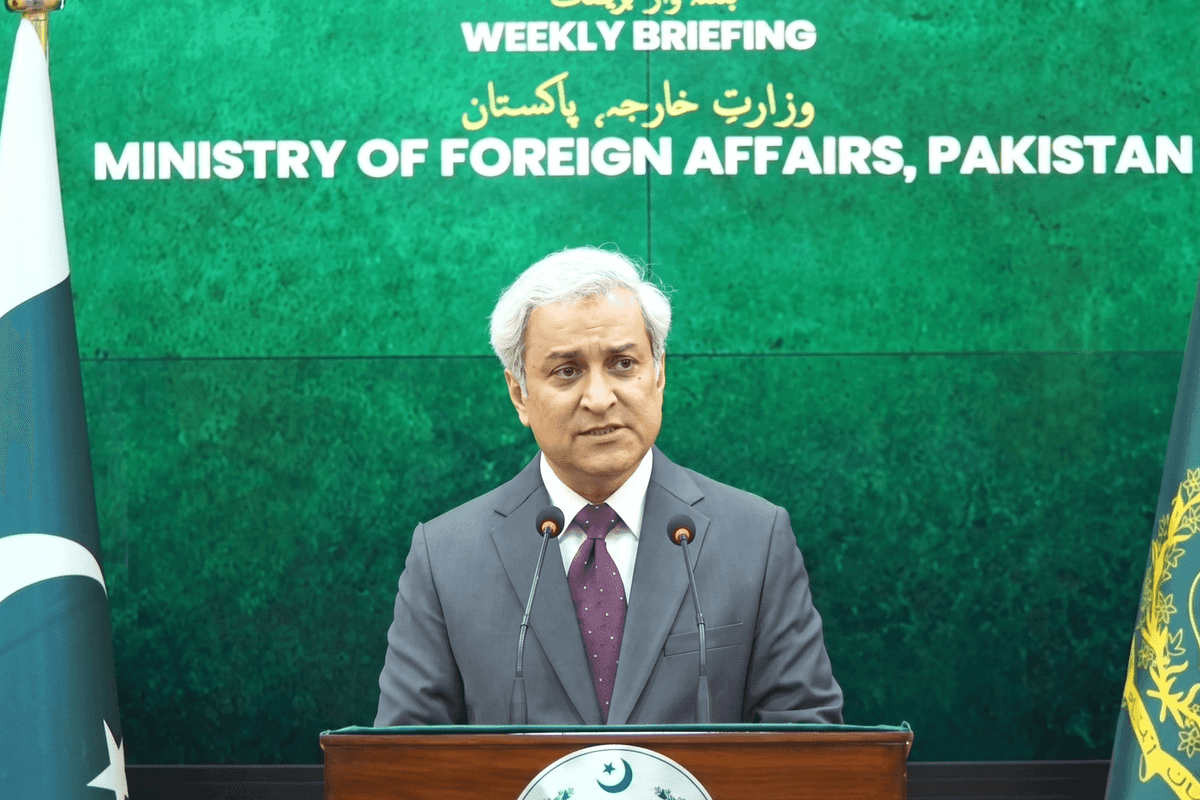
Foreign Office spokesperson Tahir Andrabi addresses the weekly media briefing in Islamabad on July 23, 2026.
Screenshot
Pakistan warned Thursday that any attack on its vessels would be treated as an attack on the country itself. The warning followed rising concern over threats by Yemen's Houthi movement against commercial shipping linked to Saudi Arabia.
Foreign Office spokesperson Tahir Andrabi delivered the message during a weekly media briefing in Islamabad.
What did Pakistan say about Houthi threats to its ships?
Pakistan said any attack on its vessels would be treated as an attack on the country and would draw retaliation. Foreign Office spokesperson Tahir Andrabi called it a firm red line rather than a blurry policy position. He said Islamabad reserved the right under the United Nations Charter to use force in self-defense to protect its maritime assets.
"There is no thin line when it comes to defending our national security, it's a red line. If our ships are attacked, it will be treated as an attack on Pakistan and we will retaliate," Andrabi said.
Why is Pakistan condemning the Houthi threats?
Pakistan condemned threats and attacks targeting commercial shipping in the Red Sea, calling them unacceptable. Andrabi said Islamabad was concerned by reports of Houthi threats against ships engaged in lawful trade with Saudi Arabia. He said any aggression against Pakistani-flagged vessels would be regarded as a threat to the country's national security and sovereign interests.
Andrabi added that attacks on Pakistan's maritime interests would be viewed as a serious challenge to its sovereignty. The distinction between commercial shipping and military targets does not change Islamabad's position, he said.
What happened to ships in the Red Sea?
Saudi state media reported Thursday that a vessel belonging to a Saudi company, the Encelia, was struck while transiting the Red Sea, causing a fire at the bow. The Saudi Press Agency said all crew members were safe. Yemen's Houthi movement said it had carried out missile and drone strikes on two Saudi oil tankers, the Encelia and the Layla, on Wednesday, alleging the ships had violated a blockade it had announced.
The United Kingdom Maritime Trade Operations, a British maritime security monitor, said the master of a tanker reported being struck by an unknown projectile roughly 70 nautical miles southwest of Al Shuqaiq, a Saudi coastal city on the Red Sea. UKMTO said the resulting fire was being fought by the crew. The International Chamber of Shipping told AFP the Houthis had been broadcasting radio warnings stating that noncompliant vessels could become targets.
How is the US-Iran conflict linked to the attacks?
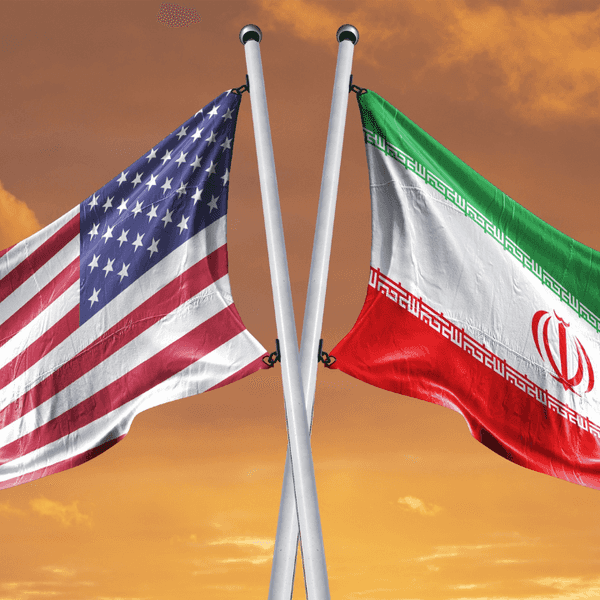
The reported strikes occurred amid heightened regional tensions tied to the conflict between the United States and Iran. The Houthis' claims followed a new wave of US strikes on Iranian military targets, which US Central Command said began late Wednesday. The stated goal was to further reduce Iran's ability to threaten commercial shipping and civilian vessels in regional waters.
The Houthis have also threatened to blockade Saudi ports, raising concern over regional shipping routes. According to maritime data analyzed by AFP and shipping tracker Kpler, at least nine ships reversed course after the latest blockade threat, including three that had loaded oil at Saudi Arabia's Yanbu terminal. The group previously disrupted Red Sea and Gulf of Aden shipping during the Gaza war that began in October 2023, prompting some vessels to reroute around southern Africa.
What is Pakistan doing on regional diplomacy?
Andrabi said Pakistan remained committed to reducing regional tensions and viewed dialogue as the only viable path to peace. He noted that Iran's foreign minister had recently visited Pakistan. Deputy Prime Minister and Foreign Minister Mohammad Ishaq Dar spoke with Kuwait's foreign minister on July 18 and met the foreign ministers of Egypt and Oman on the sidelines of the ASEAN Regional Forum ministerial meeting in Manila.
Andrabi said Dar would arrive in Bishkek later Thursday for the Shanghai Cooperation Organisation Council of Foreign Ministers' meeting. Dar is expected to meet Kyrgyzstan's president and hold bilateral talks with other participating foreign ministers there.
What did Pakistan say on the EU's GSP+ review and Iran-US talks?
Responding to a question on the European Union's latest GSP+ assessment, Andrabi said Pakistan's country report had been finalized. He said Pakistan remained committed to implementing all 27 international conventions under the trade framework and would continue engagement with the EU. On the ongoing Iran-US negotiations, Andrabi said Pakistan remained optimistic about the dialogue process and continued to hope for a peaceful outcome.
- YouTube www.youtube.com




Comments
See what people are discussing