

Pakistan calls on international community to hold Taliban accountable over militant attacks
Pakistan rejects Afghan Taliban allegations over civilian casualties and accuses Kabul of failing to stop militants using Afghan soil for attacks
Aamir Abbasi
Editor, Islamabad
Aamir; a journalist with 15 years of experience, working in Newspaper, TV and Digital Media. Worked in Field, covered Big Legal Constitutional and Political Events in Pakistan since 2009 with Pakistan’s Top Media Organizations. Graduate of Quaid I Azam University Islamabad.
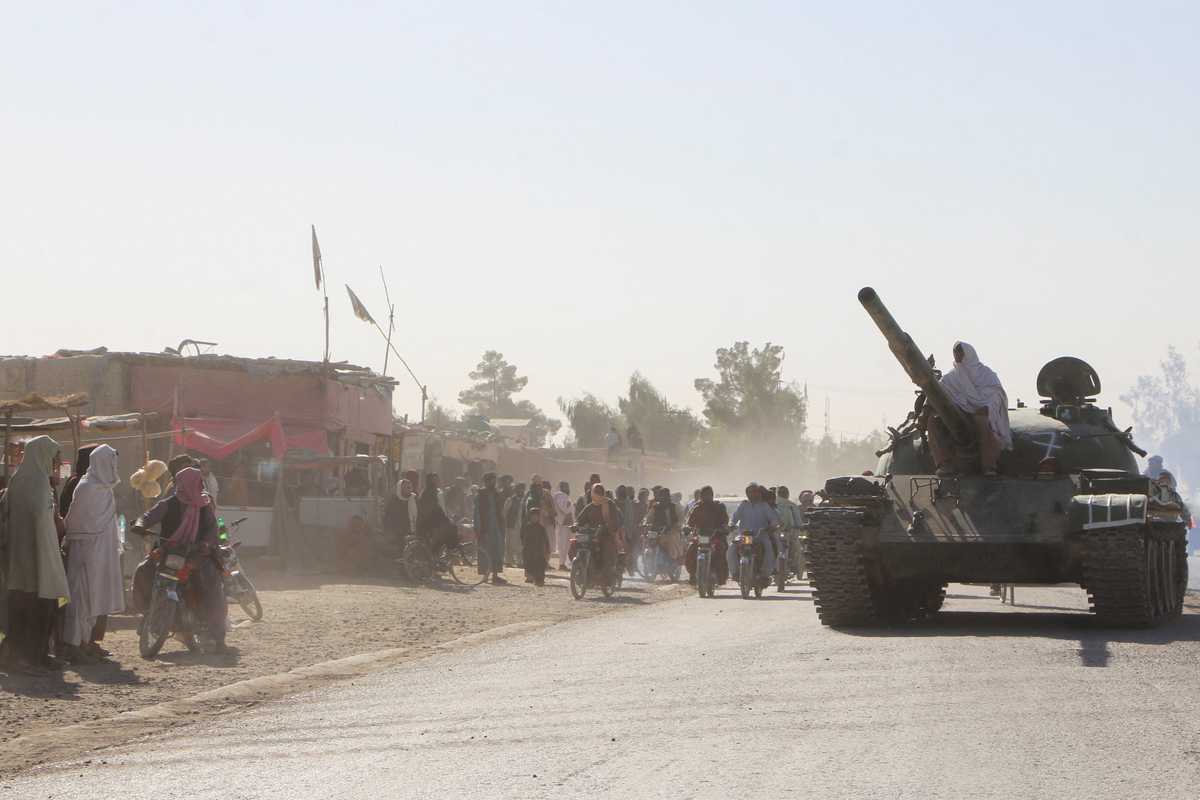
An Afghan Taliban fighter sits on a tank near the Afghanistan-Pakistan border in Spin Boldak, Kandahar, after clashes between Pakistani and Afghan forces, October 15, 2025.
Pakistan’s Foreign Office on Monday rejected the Afghan Taliban’s allegations over civilian casualties and called on the international community to hold the Taliban authorities accountable for preventing militant attacks from being planned or launched from Afghan territory.
Islamabad said it would take necessary measures to protect its citizens and accused the Taliban authorities of failing to stop attacks planned from Afghan soil.
Why does Pakistan reject the Afghan Taliban’s allegations?
Pakistan says terrorist attacks caused more than 3,500 casualties in 2026 alone, and it blames militant groups operating from Afghan territory, including the Tehreek-e-Taliban Pakistan (TTP) and Balochistan Liberation Army (BLA). It argues that the Taliban authorities have failed to stop these networks and that misleading claims will not reduce the threat.
The Foreign Office accused the Taliban authorities of providing the TTP, the BLA and their affiliates with sanctuary or allowing them to operate from Afghan territory. Pakistan cited United Nations monitoring reports and other international assessments to support its concerns. It also said the groups posed a threat beyond its borders, undermining regional and international security.
How did the Taliban authorities respond to Pakistan’s claims?
The statement followed a broader exchange of accusations between Islamabad and Kabul. On October 23, Taliban spokesman Zabihullah Mujahid rejected Pakistani allegations that Afghanistan was fueling insecurity in its neighbor, accusing Pakistani security institutions of shifting blame for their own failures.
Mujahid also said Afghanistan lacked the resources and capability to destabilize other countries. Kabul has repeatedly denied allowing Afghan soil to be used for attacks against Pakistan.
How does Pakistan justify its security measures?
Addressing the allegations over civilian harm, Pakistan maintained that its security measures were directed at militant targets and their logistical support facilities. It said its actions were guided by the principles of necessity, proportionality, distinction and precaution, and rejected claims that they disregarded civilian safety. “No responsible state can remain passive when its civilians and security forces are repeatedly targeted,” the Foreign Office said.
The statement called on the international community to hold the Taliban authorities accountable for preventing Afghan territory from being used to plan or launch attacks. It cited relevant United Nations Security Council resolutions and other international commitments.
Pakistan said it remained prepared to take necessary steps to protect its sovereignty, territorial integrity and citizens. It urged the Taliban authorities to address Islamabad’s security concerns through verifiable action.





Comments
See what people are discussing