

Pakistan's cotton arrivals rise 5.39% to 3.21 million bales as of late September, PCGA reports
Total cotton arrivals in Pakistani ginneries reached 3.21 million bales as of September 30, 2026, marking a 5.39 percent year-on-year increase driven by higher yields across key districts in Sindh and Punjab

Business Desk
The Business Desk tracks economic trends, market movements, and business developments, offering analysis of both local and global financial news.
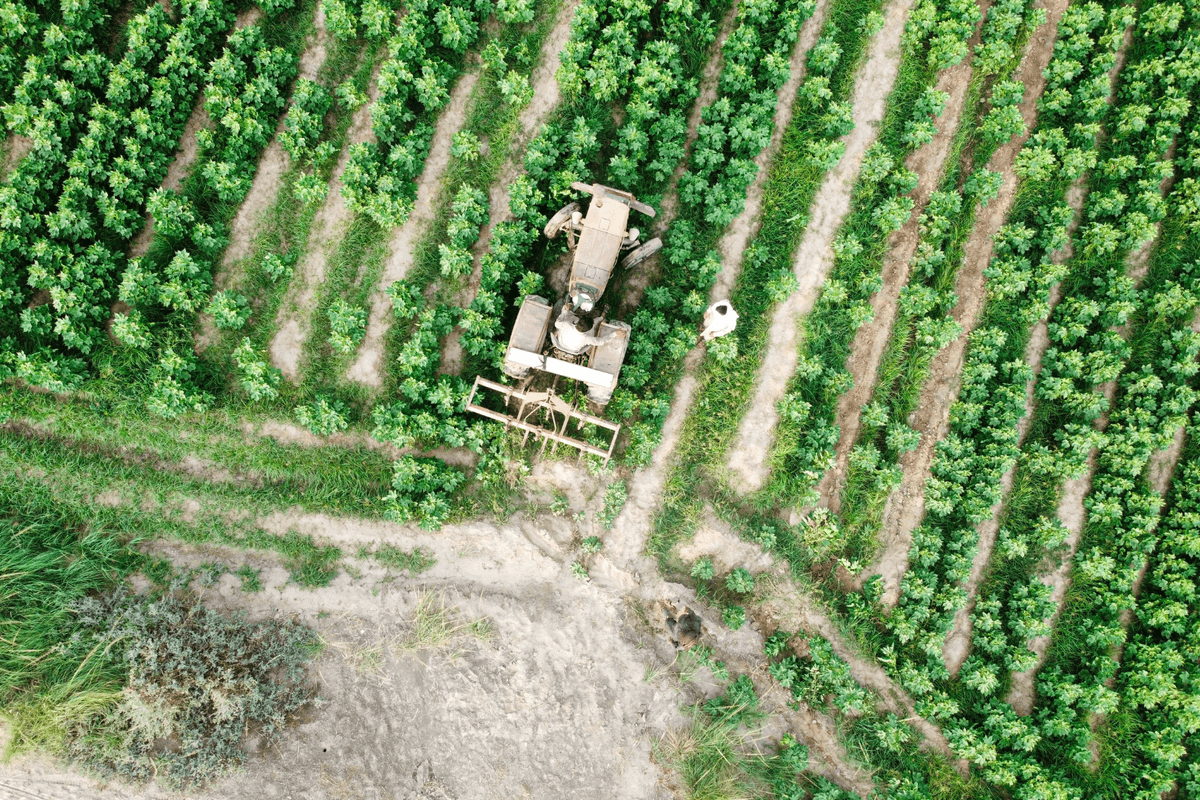
Total cotton arrivals at ginneries across Pakistan reached 3.21 million bales as of September 30, 2026, marking a 5.39 percent increase compared to the same period last year, according to bi-monthly data released by the Pakistan Cotton Ginners Association (PCGA) on Friday.
How did provincial cotton production perform across Pakistan?
Cumulative cotton arrivals reached 3,208,402 bales by late September, up from 3,044,409 bales during the corresponding period of the 2025–26 crop season. Sindh maintained its lead in national output, producing 1,993,451 bales—a 4.48 percent increase from 1,907,970 bales recorded a year earlier. Meanwhile, arrivals in Punjab rose 6.91 percent to 1,214,951 bales compared to 1,136,439 bales last year.
Provincial yield variations reflected differing weather conditions and pest management across key growing districts:
- Sindh Production Hubs: Sanghar maintained its position as the country's largest cotton-producing district, delivering 984,312 bales (+1.51%). Significant gains were recorded in Khairpur (158,600 bales, up 40.48%) and Naushahro Feroze (170,000 bales, up 28.79%), while Ghotki posted a 44.39% decline to 42,600 bales and Hyderabad fell 13.45% to 102,753 bales.
- Punjab Production Hubs: Bahawalnagar led Punjab with 276,700 bales (+33.08%), followed by Bahawalpur (198,596 bales, up 25.90%) and Dera Ghazi Khan (193,210 bales, up 43.04%). Layyah experienced a 104.23% surge to 99,463 bales, while Lodhran rose 88.53% to 19,300 bales. Conversely, Rahim Yar Khan fell 32.19% to 89,556 bales and Khanewal dropped 28.64% to 76,906 bales.
How are textile mills and exporters absorbing the current crop?
Textile mills remained the primary buyers of domestic lint, procuring 2,726,868 bales—accounting for roughly 85 percent of total arrivals—to fulfill industrial procurement needs. Exporters and private traders purchased 96,600 bales, leaving unsold ginneries inventory at 384,934 bales (comprising 107,940 bales of pressed lint and 276,994 bales of un-ginned phutti). Unsold stocks were lower than the 539,931 bales recorded at the same point last year.
Despite the overall season-to-date increase, the fortnightly flow of seed cotton slowed to 819,720 bales compared to 1,040,025 bales during the second half of September 2025, indicating a moderating pace of fresh arrivals heading into October. A total of 459 ginning factories were reported operational nationwide.
According to the Associated Press of Pakistan (APP), Pakistani textile manufacturers closely monitor PCGA arrival reports to calibrate their raw cotton import decisions against local crop availability.





Comments
See what people are discussing