

Pakistan's FBR tax shortfall: how a Rs1 trillion miss became a 'success'
Pakistan's FBR collected Rs13 trillion against an original target of Rs14.131 trillion, missing by over Rs1 trillion despite claiming it met its revised goal

News Desk
The News Desk provides timely and factual coverage of national and international events, with an emphasis on accuracy and clarity.
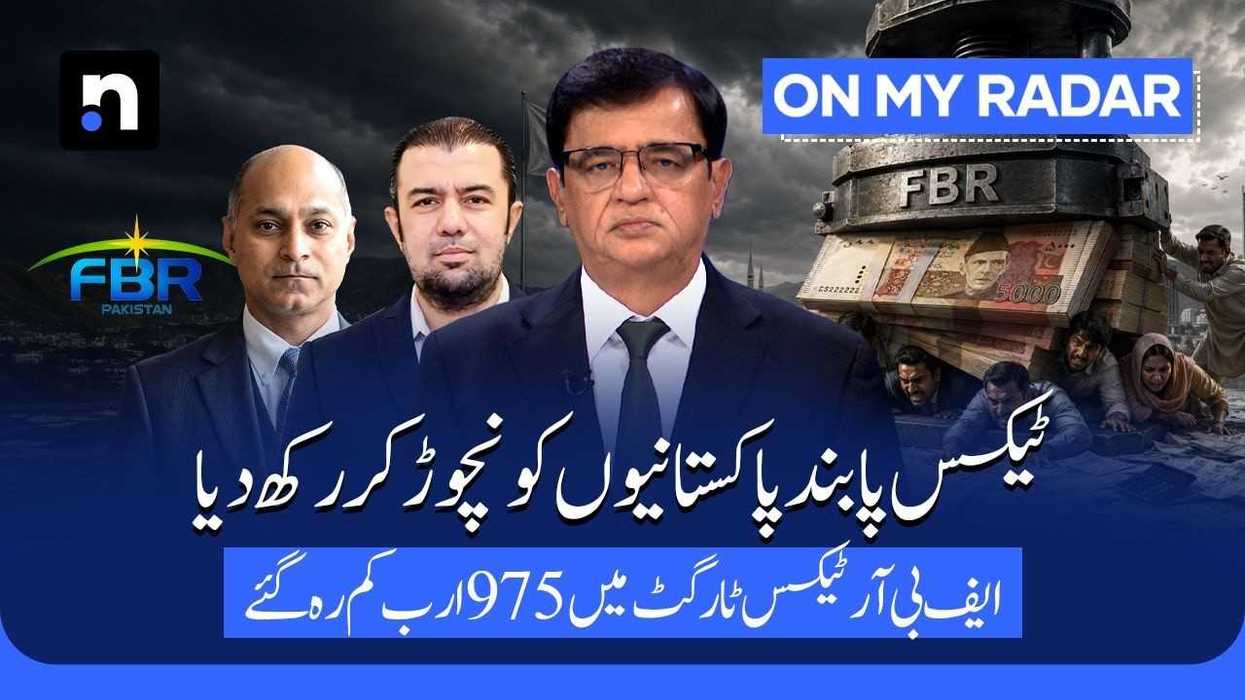
Pakistan's Federal Board of Revenue closed fiscal year 2025-26 having collected around Rs13 trillion in taxes, more than Rs1 trillion below its original target of Rs14.131 trillion. The government declared success after the IMF-backed revised target was lowered to Rs12.983 trillion during the year, which the FBR technically exceeded by Rs21 billion.
What was the FBR tax shortfall in 2025-26?
The FBR missed its original tax collection target by over Rs1 trillion, collecting approximately Rs13 trillion against the budget-assigned goal of Rs14.131 trillion. The government and IMF revised the target downward mid-year to Rs12.983 trillion, citing economic slowdown, declining imports, and global trade disruptions. Finance Minister Muhammad Aurangzeb congratulated the FBR on meeting this revised figure.
Whether the FBR succeeded or failed depends entirely on which target is used as the benchmark. Against the original budget target, the shortfall exceeds Rs1 trillion. Against the revised target, the FBR recorded a surplus of Rs21 billion, which is the basis for the government's claim of success.
What saved the FBR from missing even its revised target?
A significant surge in income tax collections during June rescued the FBR's overall performance. Without that final-month jump in direct tax receipts, meeting even the lowered target would have been difficult. The FBR collected Rs6.5 trillion in income tax during the year, exceeding the revised income tax target by Rs51 billion and recording 14 percent growth year-on-year.
Other tax categories performed more weakly. Sales tax collections fell short by Rs1 billion and grew just 9 percent year-on-year. Customs duties missed their target by Rs18 billion, growing only 4 percent, while Federal Excise Duty came in Rs11 billion below target, though still 10 percent higher than the previous year.
How did the petroleum levy help plug the gap?
The government offset part of the weakness in conventional tax revenues through the Petroleum Development Levy. Collections under the levy reached Rs1.5 trillion, exceeding the annual target by Rs96 billion. Every litre of petrol and diesel sold contributed additional revenue that helped shore up the government's fiscal position, effectively passing the cost on to ordinary consumers.
How will the FBR meet its Rs15.264 trillion target next year?
The FBR's tax collection target for fiscal year 2026-27 is set at Rs15.264 trillion, around Rs2.2 trillion more than it collected this year. Achieving that figure cannot rely on last-minute income tax surges, higher withholding taxes on existing filers, or repeated downward revisions to targets. It will require stronger economic growth, higher private investment, increased industrial output, stronger exports, and a genuine expansion of the tax base beyond those already in the system.
The structural questions raised by this year's performance remain unanswered. If targets need to be revised downward mid-year and final numbers depend on exceptional monthly collections, the sustainability of Pakistan's tax system remains in serious doubt heading into a more demanding fiscal year.




Comments
See what people are discussing