

Pakistan SOEs rely more on government support despite revenue contributions
Support to SOEs rose 37% from PKR 1,512.9 billion in FY2024, driven largely by equity injections

Business Desk
The Business Desk tracks economic trends, market movements, and business developments, offering analysis of both local and global financial news.
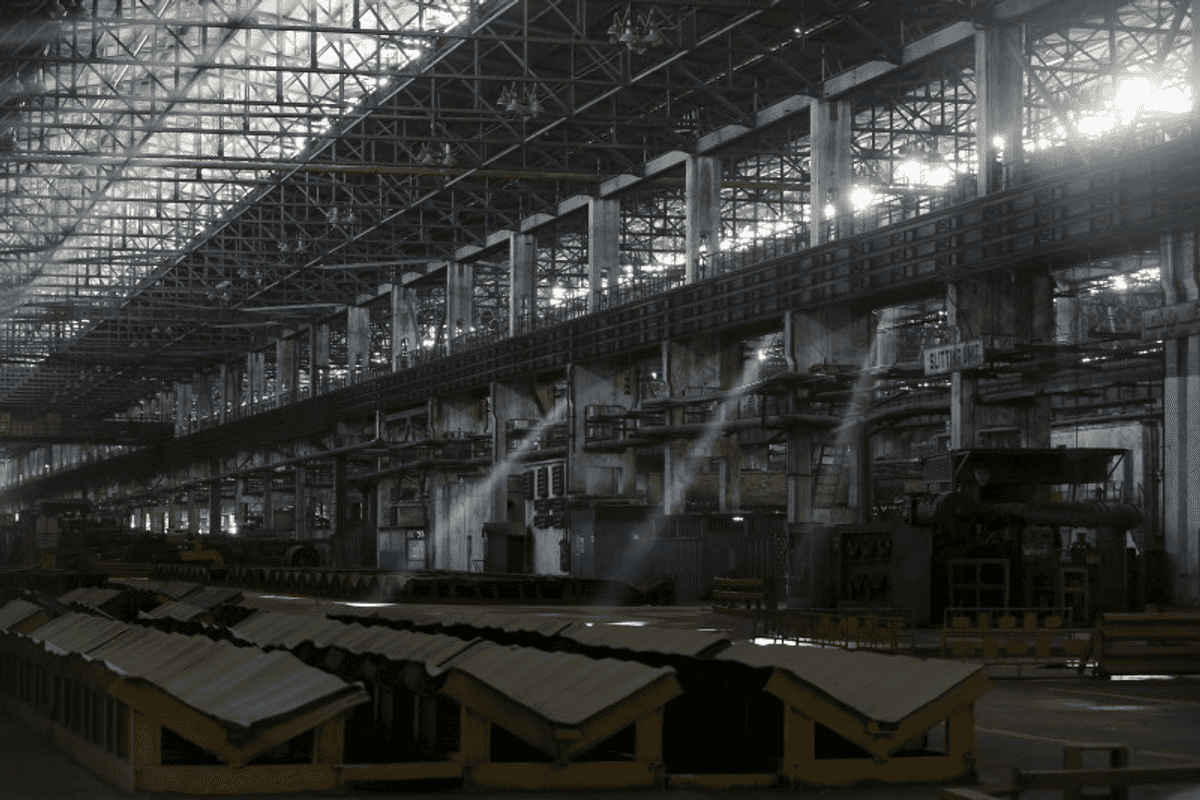
Pakistan’s government increased fiscal support to state-owned enterprises (SOEs) to PKR 2,078.5 billion in fiscal year 2025, even as the sector contributed PKR 2,119.2 billion to federal revenues, highlighting both the growing fiscal footprint and rising dependence of state-run firms on public resources.
Support to SOEs rose 37% from PKR 1,512.9 billion in FY2024, driven largely by equity injections, which surged to PKR 728.9 billion. These were mainly one-off measures in the power sector, including circular debt clearance and payments to independent power producers. Government loans also climbed 34% to PKR 354.1 billion, underscoring continued reliance on direct budgetary financing. Conversely, grants and subsidies fell, dropping 27% and 7% respectively, pointing to shifting priorities or operational efficiencies.
Sovereign guarantees jumped 52% to PKR 2,164 billion, primarily due to accounting adjustments rather than new guarantee issuances. About 16% of federal tax revenue — or PKR 2,078 billion of total PKR 12,970 billion collected — was directed back to SOEs in the form of loans, subsidies, grants, and equity injections, meaning roughly PKR 1 of every PKR 6 collected in taxes was absorbed by state firms.
Despite this, SOEs boosted dividend payments to the government by 81% to PKR 149.6 billion, while tax contributions from the sector rose 17% to PKR 436.9 billion. Non-tax revenues, however, declined 10% to PKR 1,264.9 billion, reflecting the volatility of commodity-linked earnings and tariff adjustments.
Interest payments on government loans more than doubled, reaching PKR 267.8 billion, pointing to growing dependence on loan rollovers rather than direct repayments. As a result, the net fiscal flow — total contributions minus government support — fell sharply to PKR 40.7 billion from PKR 458.2 billion in FY2024. The Fiscal Efficiency Index, which compares inflows to support, dropped from 1.30 to 1.01, indicating diminishing net returns from the sector.
The figures suggest that while SOEs remain significant contributors to public finances, their growing reliance on government transfers and debt support is eroding their net fiscal value.


Comments
See what people are discussing