

Pakistan targets up to $7B annual boost from mining push as critical minerals race heats up
Policy reforms and foreign partnerships aim to unlock vast copper, gold and gemstone reserves

Business Desk
The Business Desk tracks economic trends, market movements, and business developments, offering analysis of both local and global financial news.
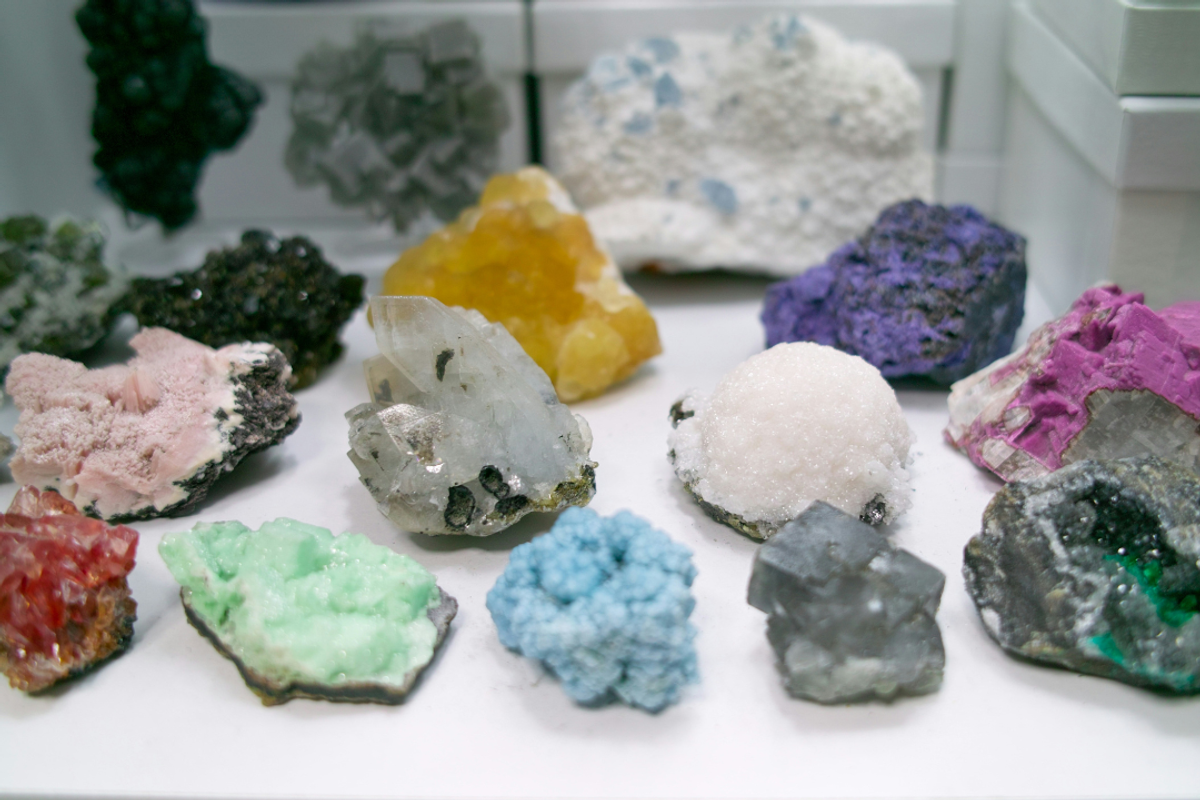
Photo by takemaru via Unsplash
Pakistan is moving to overhaul its mining and gemstone sectors in an effort to unlock trillions of dollars in untapped mineral wealth and position itself as a regional hub for critical minerals, according to an analysis published by The National Interest.
Experts cited by the magazine estimate that comprehensive development of Pakistan’s mineral and gemstone industries could add $5 billion to $7 billion annually to the country’s gross domestic product over the next decade, while creating tens of thousands of direct and indirect jobs.
The push comes as countries worldwide race to secure supplies of critical minerals needed for clean energy, electric vehicles, high-tech manufacturing and industrial growth. Pakistan holds significant reserves of copper, gold, lithium, cobalt, rare earth elements and gemstones, yet exports remain limited and local communities have historically seen few economic benefits.
Pakistani officials hope to change that narrative through policy reforms, foreign investment and technology partnerships. Central to that effort is the Second Pakistan Minerals Investment Forum (PMIF26), scheduled for April 8-9 in Islamabad, which aims to present the country as an investment-ready mining economy on the global stage.
The forum is expected to attract international investors, mining companies and policymakers at a time when competition for critical minerals is intensifying worldwide. Analysts say Pakistan’s location and resource base could allow it to play a strategic role in regional and global supply chains if reforms are implemented effectively.
Recent cooperation with U.S. firms highlights that ambition. A memorandum of understanding signed between U.S.-based Strategic Metals and Pakistan’s Frontier Works Organization focuses on technology transfer, production and recycling of critical minerals, and improvements in mining capacity and output quality.
U.S. Charge d’Affaires Natalie Baker said such partnerships strengthen economic ties between the United States and Pakistan and underscore the growing importance of critical minerals for both national and global security.
Pakistan has also introduced its first national gemstone policy, aimed at addressing long-standing weaknesses in the sector. The policy focuses on modern certification standards, value-added processing, youth-led entrepreneurship and improved governance, with a goal of increasing gemstone exports to $1 billion within five years.
Pakistan’s gemstones, including emeralds, rubies, peridot, topaz and aquamarine, are estimated to be worth about $450 billion, yet annual exports currently stand at only $5.8 million, highlighting a wide gap between potential and output.
Much of the country’s mineral wealth is concentrated in Balochistan, Khyber Pakhtunkhwa and Gilgit-Baltistan, regions that have long remained underexplored because of security concerns and limited infrastructure.
One of the most significant projects is Reko Diq, among the world’s largest undeveloped copper-gold deposits, with reserves exceeding 5.9 billion tonnes of ore. Analysts say effective development of the project could generate billions of dollars in revenue, create thousands of jobs and transform regional trade.
According to The National Interest, transparency, regulatory reform and sustained international partnerships will be critical if Pakistan is to convert its mineral resources into long-term economic growth. As global demand for critical minerals accelerates, Pakistan is seeking to present itself as a responsible and reliable partner in the global mining market.



Comments
See what people are discussing