

Pakistan textile exporters warn India-EU deal could hurt competitiveness
Industry urges government to cut production costs

Business Desk
The Business Desk tracks economic trends, market movements, and business developments, offering analysis of both local and global financial news.
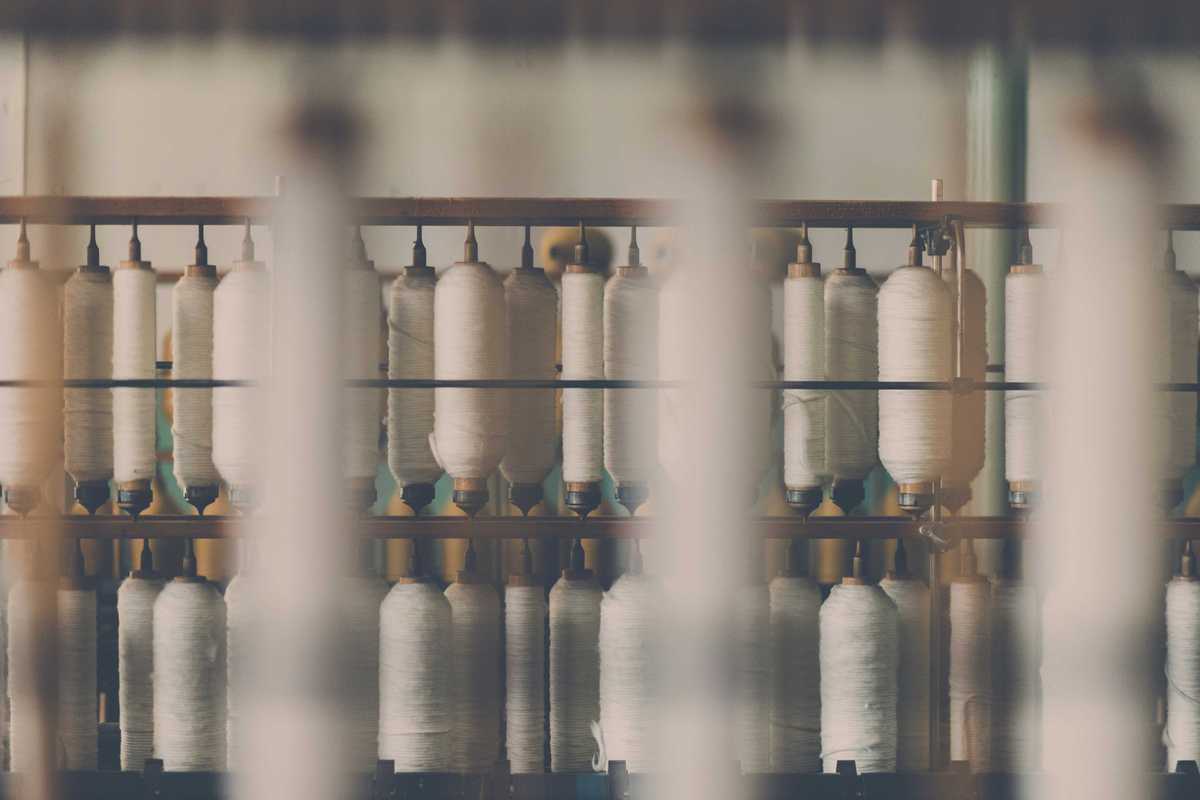
Pakistan’s hosiery and textile exporters have warned that the free trade agreement between India and the European Union could further weaken Pakistan’s competitiveness in its largest export market unless the government urgently addresses high domestic production costs.
Faisal Arshad Sheikh, chairman of the Pakistan Hosiery Manufacturers & Exporters Association (PHMA) South Zone, said Pakistan already enjoys duty-free access to the EU under the bloc’s GSP+ scheme, similar to the tariff access India is expected to receive under the proposed agreement. However, he said the overall competitive environment would remain unequal.
“Pakistan’s GSP+ access comes with strict conditionalities,” Sheikh said, referring to requirements to ratify and implement 27 international conventions covering human rights, labor standards, environmental protection and governance. “India’s market access under an FTA does not carry the same conditional obligations.”
Sheikh said compliance with these conventions, while beneficial in the long term, increases operational, administrative and financial costs for Pakistani exporters. He added that tariff parity alone would not ensure competitiveness, as Pakistan’s manufacturing costs remain among the highest in the region.
The advantage for India
“The issue is not duty access alone. The real concern is cost competitiveness,” he said. “India’s cost of production is significantly lower than Pakistan’s, which gives Indian exporters a natural advantage once tariff parity is achieved.”
He said Indian exporters benefit from cheaper energy, lower financing costs, large-scale manufacturing, integrated supply chains and stronger logistics infrastructure, enabling them to price products more aggressively in the EU market. Combined with fewer compliance obligations, Sheikh said, this would widen the competitive gap with Pakistan.
Sheikh said Pakistan’s exporters have faced similar pressures in the past, including additional tariffs imposed by the United States, which exposed structural weaknesses in the sector. “Despite repeated warnings from industry, no meaningful steps were taken to reduce the cost of production or address core competitiveness issues,” he said, adding that exporters were unable to absorb those shocks.
He said the proposed India-EU FTA poses a more serious challenge and warned against repeating past inaction, which he said had previously harmed Pakistan’s commerce and industry.
Sheikh said PHMA has repeatedly raised cost-related concerns with senior government officials, urging relief measures for exporters. “Unfortunately, despite these engagements, no tangible relief has been delivered so far,” he said, adding that requests for consultations have gone unanswered.
He warned that the India-EU trade pact could lead to aggressive price undercutting by Indian exporters, erosion of Pakistan’s market share in hosiery, knitwear and value-added garments, and increased pressure on margins, employment and the sector’s long-term sustainability.
Urgent steps needed
Pakistan’s reliance on GSP+ alone is no longer sufficient, Sheikh said. “Tariff-free access without recognition of compliance and cost burdens creates an uneven playing field,” he said.
The PHMA chairman urged the government to take immediate corrective steps, including rationalizing energy tariffs for export-oriented industries, providing competitive financing and export refinancing schemes, supporting technology upgrades and productivity gains, and offering targeted incentives to offset the cost of GSP+ compliance and EU green regulations.
Textiles remain Pakistan’s largest export sector and a major source of employment, Sheikh said, warning that any loss of competitiveness in the EU market would carry serious economic and social consequences.
“If India secures FTA access while Pakistan’s structural cost disadvantages remain unaddressed, our textile exports will face severe challenges,” he said, calling for swift policy intervention to protect exports and jobs.



Comments
See what people are discussing