

Pakistan probes private schools for forcing parents to buy expensive branded supplies
Pakistan’s CCP issues notices to 17 private schools over potentially unfair pricing of supplies

Aamir Abbasi
Editor, Islamabad
Aamir; a journalist with 15 years of experience, working in Newspaper, TV and Digital Media. Worked in Field, covered Big Legal Constitutional and Political Events in Pakistan since 2009 with Pakistan’s Top Media Organizations. Graduate of Quaid I Azam University Islamabad.
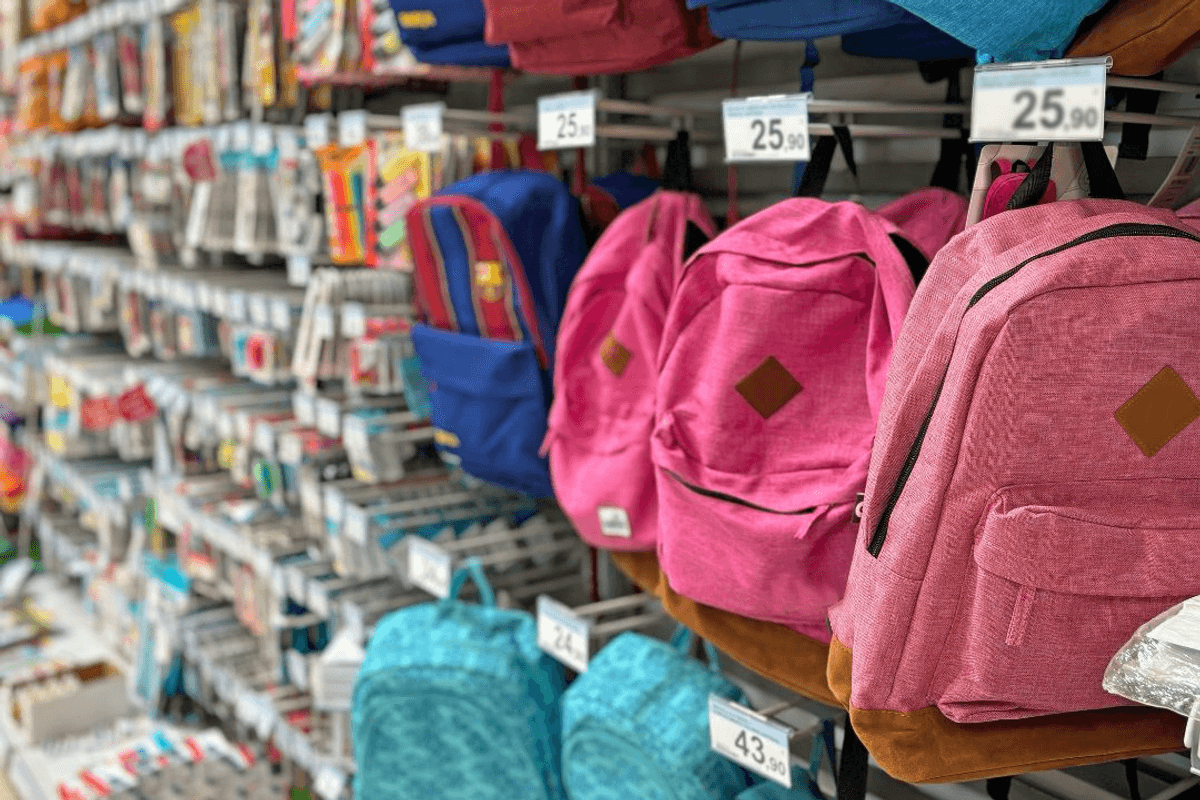
Schools must justify pricing or face fines as Pakistan’s CCP steps in to protect families.
AFP/File
Pakistan’s top competition regulator has launched a high-profile crackdown on some of the country’s leading private schools, accusing them of forcing parents to buy costly branded notebooks, workbooks, and uniforms exclusively from school-approved vendors.
The Competition Commission of Pakistan (CCP), an independent regulatory body responsible for enforcing competition law and preventing market abuse, issued show cause notices to 17 prominent private school systems.
This formal action requires the schools to justify their pricing and procurement practices or face potential fines and enforcement measures. The CCP’s intervention aims to protect millions of students and their families from unfair market practices.
The schools under scrutiny include:
- Beaconhouse School System
- The City School
- Lahore Grammar School (LGS)
- Headstart
- Froebel’s
- Roots International
- Roots Millennium
- KIPS
- Allied Schools
- Super Nova
- Dar-e-Arqam
- STEP School
- Westminster International
- United Charter School
- The Smart School
Together, these networks operate hundreds of campuses across Pakistan, educating millions and wielding significant influence over enrolled families.
A suo motu inquiry by the CCP, prompted by complaints from parents and guardians, found that many students were effectively “captive consumers.” Parents were compelled to purchase logo-branded school supplies and uniforms exclusively through school-authorized vendors or online portals. In several cases, generic notebooks and alternative uniforms were expressly prohibited.
The inquiry identified two distinct markets: the provision of education itself, where each school enjoyed near-total control over enrolled students, and the market for ancillary school products such as notebooks, uniforms, and study packs, which became tightly tied to continued enrollment.
The CCP found that many study packs were priced up to 280% higher than comparable items available on the open market. By enforcing these tied arrangements and exclusive vendor relationships, schools effectively blocked thousands of small stationery and uniform sellers from competing.
High switching costs - limited school options, transfer fees, and transportation constraints - left parents with little choice but to comply. According to the CCP, these practices restricted market access, stifled competition, harmed small retailers and curtailed consumer choice nationwide.
Private institutions now account for nearly half of Pakistan’s student enrollment. With households already grappling with inflation, compulsory purchases of overpriced branded materials add further financial strain and spotlight the broader commercialization of education.
The CCP has ordered the 17 school systems to respond in writing within 14 days and appear before the Commission through authorized representatives to explain why enforcement actions under Section 31 and penalties under Section 38 of the Competition Act, 2010, should not be imposed. Non-compliance could trigger ex-parte proceedings and fines may reach up to 10% of annual turnover or PKR 750 million, whichever is higher.


Comments
See what people are discussing