

Hundreds of Pakistani students stranded as Afghanistan border closure drags on
About 600 Pakistani medical students who returned home in January are unable to resume studies as Torkham border remains closed since Oct 12 last year

Kamran Ali
Correspondent Nukta
Kamran Ali, a seasoned journalist from Khyber Pakhtunkhwa, Pakistan, has a decade of experience covering terrorism, human rights, politics, economy, climate change, culture, and sports. With an MS in Media Studies, he has worked across print, radio, TV, and digital media, producing investigative reports and co-hosting shows that highlight critical issues.
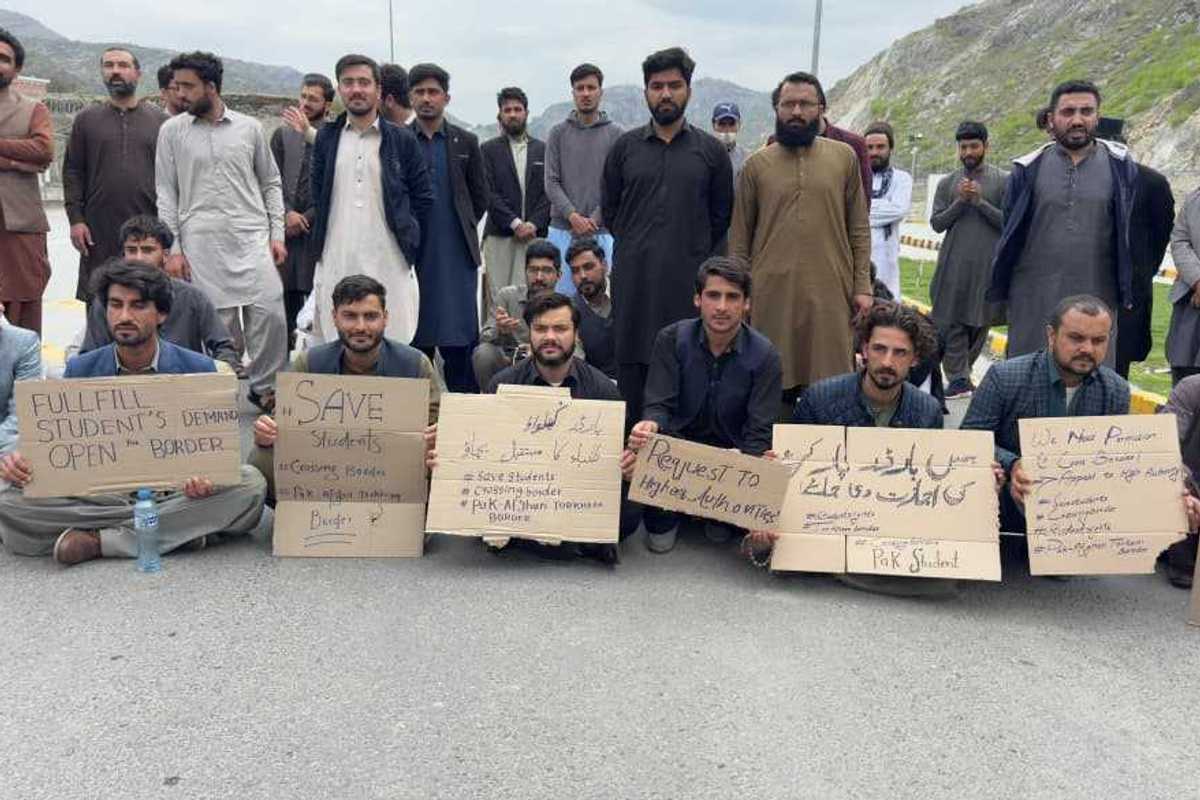
Students have appealed to authorities to reopen the border to allow them to resume their studies.
Nukta
Hundreds of Pakistani students remain stranded and unable to return to their universities in Afghanistan as prolonged border closures between the two countries disrupt cross-border movement, highlighting the broader fallout of escalating tensions.
According to the Pakistani Students Association, around 600 Pakistani medical students studying at various universities in Afghanistan had returned home in January for their winter break. They are now unable to resume their studies as the Torkham border crossing has remained shut since October 12 last year.
Students demand border reopening
Ihsan Ul Wadood, a Pakistani student, said many students were initially stuck in Afghanistan for 10 to 15 days after exams ended and winter vacations began, before Pakistani authorities allowed them to cross into Pakistan on special request.
“Now we want to return as the winter break is over, but authorities are not permitting us to cross,” he said, adding that most students face financial constraints and cannot afford air travel.
The students have appealed to authorities to reopen the border to allow them to resume their studies.
Awais Ur Rehman, another student, said he waited for official clearance but ultimately had to purchase an airline ticket to return to Afghanistan.
“Tickets are expensive, ranging from 45,000 to 70,000 rupees, compared with road transport which costs just 2,000 to 3,000 rupees,” he said, adding he had little choice but to bear the cost.
Afghan authorities say Pakistani students face no restrictions on their side, maintaining that the closure has been imposed by Pakistan. Pakistani officials, meanwhile, say they are awaiting approval from the Interior Ministry to allow crossings.
Why Pakistanis choose Afghanistan?
Kashif Bangash, a study abroad consultant, said affordability remains the primary factor driving Pakistani students to pursue medical education in Afghanistan.
“In Pakistan’s government medical colleges, open merit tuition fees range from 500,000 to 600,000 rupees, while self-finance seats cost between 1.5 and 2 million rupees, and seats are extremely limited - only about 1,300 are available for over 40,000 applicants,” he said.
He added that while only around 3% of seats are available in Pakistan’s private sector, annual fees can reach 2.5 million rupees - equivalent to the total cost of a five-year medical degree in Afghanistan.
“Seventeen universities in Afghanistan offer medical admissions, with total fees ranging from 2.5 to 3 million rupees for the entire degree,” Bangash said, noting that travel costs are low - around 2,000 to 3,000 rupees and accommodation is relatively inexpensive.
By comparison, he said, the total cost of a medical degree in Central Asia can reach 7 to 8 million rupees, while annual tuition fees in Europe can rise to 10 million rupees, placing them beyond the reach of most Pakistani families.
“Thousands of Pakistani students used to study in Afghanistan in the past, but numbers have declined since 2000 due to instability,” he added.
Border closure timeline
Border crossings between Pakistan and Afghanistan have remained closed since October 12 last year, following explosions in Kabul on October 9 that triggered retaliatory tensions along the frontier.
Tensions escalated further on February 26, when both sides exchanged heavy gunfire after a Pakistani airstrike targeted suspected cross-border militants in Afghanistan. Islamabad has repeatedly accused militants of operating from Afghan territory, a claim denied by Kabul.


Comments
See what people are discussing