

Pakistan’s exports to ASEAN stay narrow and underdeveloped: report
Business council flags heavy reliance on rice

Business Desk
The Business Desk tracks economic trends, market movements, and business developments, offering analysis of both local and global financial news.
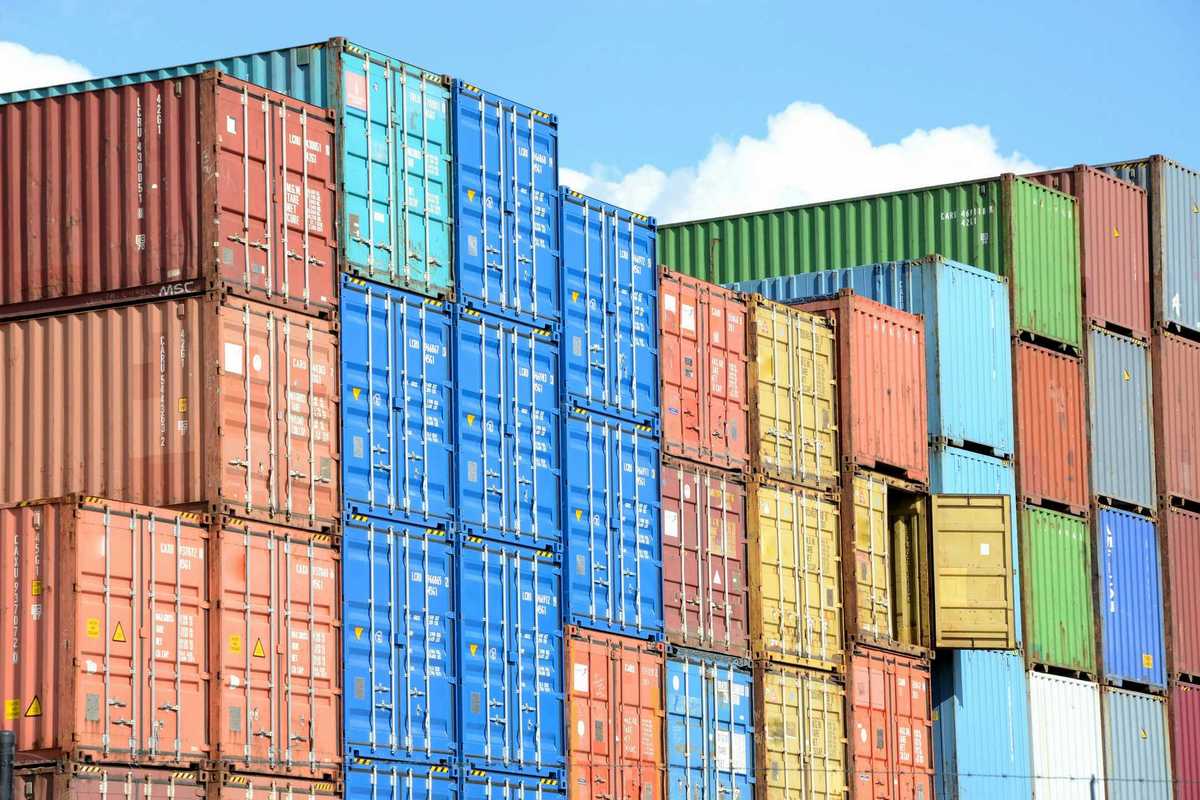
Despite nearly three decades of diplomatic engagement and participation in regional cooperation forums, Pakistan has failed to significantly expand its trade footprint in Southeast Asia, the Pakistan Business Council said in a new report.
The Association of Southeast Asian Nations, or ASEAN, represents a market of nearly 700 million people with a combined economy valued at about $3.9 trillion. Yet Pakistan’s exports to the bloc stood at just $2.24 billion in 2024, accounting for only 0.12% of global exports destined for ASEAN, according to the report.
“Pakistan’s export basket to ASEAN remains narrow and vulnerable,” the council said, noting that nearly 60% of exports consist of cereals, vegetables and mineral fuels.
Dependence on one commodity
Rice dominates that profile, but the council warned that reliance on a single crop is risky. Indonesia is moving toward self-sufficiency, while the Philippines has adopted protectionist measures that could curb future imports.
“This dependence on one commodity should clearly not define Pakistan’s export strategy going forward,” the report said.
Pakistan also continues to run a sizable trade deficit with ASEAN, which reached $4.5 billion out of total bilateral trade of $9 billion last year. ASEAN exports align closely with Pakistan’s import needs, particularly palm oil from Indonesia and Malaysia, which makes up about 43% of imports. The reverse, however, is not true, the council said.
Free and preferential trade agreements signed with Malaysia in 2008 and Indonesia in 2013 remain underutilized, limiting their impact on export-led growth.
“The agreements exist, but Pakistan has not been able to leverage them to diversify exports or gain meaningful market share,” the report said.
Textile exports not a panacea
The council also cautioned against assuming that textiles — Pakistan’s traditional export strength — can fill the gap in ASEAN markets.
From the demand side, consumers in the region generally favor low-cost, medium-quality garments, while Pakistan’s exports to the United States and Europe tend to be premium, 100% cotton products that do not command similar prices in Southeast Asia, the report said.
Competition has intensified from China and regional textile producers such as Vietnam, Cambodia and Bangladesh.
Undocumented textile trade and the rise of fast-fashion e-commerce platforms such as Temu and Shein further undermine Pakistan’s competitiveness, the council added.
High energy and labor costs, along with duties on yarn and fabric under Pakistan’s Export Facilitation Scheme, erode any potential gains from tariff concessions. At the same time, demand is shifting toward wrinkle-free and iron-free garments made with synthetic fibers, an area where Pakistan is falling behind.
Although Vietnam and Cambodia maintain strong demand for cotton yarn, denim and fabrics due to gaps in their value chains, Pakistan’s volatile cotton output and outdated ginning methods threaten its ability to supply those markets consistently, the report said.
The unexplored sectors
To address these challenges, the Pakistan Business Council urged policymakers to focus on diversifying exports and tapping underexplored sectors.
Pharmaceuticals offer significant potential, the report said, citing a combined ASEAN market size of $9.43 billion in 2024 for two major medicine tariff lines. Demand for low-cost generic drugs is expected to grow, but lengthy booking and inspection procedures remain a barrier.
“Closer coordination between ASEAN regulators and Pakistani authorities such as the Drug Regulatory Authority of Pakistan is essential to harmonize standards,” the council said.
The report also pointed to opportunities in software design for semiconductors, particularly given Malaysia’s established manufacturing base. It recommended expanding networking initiatives between Pakistan’s National Emerging Technologies and Computing Organization and ASEAN stakeholders.
In agriculture, the council stressed the need to plan for continuity in halal meat exports by lowering animal feed costs and improving cattle genetics to compete with suppliers such as India.
Pakistan could also expand its presence in surgical instruments through stronger branding, packaging and marketing. ASEAN’s market for surgical instruments is valued at about $2.8 billion, the report said.
Beyond goods, the council highlighted services and niche exports, including heritage tourism centered on Buddhist sites in Taxila and Khyber Pakhtunkhwa, as well as Pakistan’s natural landscapes.
Kinnow oranges were identified as a potential foreign exchange earner if Pakistan can secure lower tariffs from the Philippines, improve air cargo logistics and pursue mutual recognition agreements to simplify sanitary and phytosanitary certification.
The report also called for stricter compliance with ASEAN sanitary and phytosanitary standards for rice and maize exports. Issues such as high moisture content, aflatoxin contamination and khapra beetle infestations have affected maize shipments, while rice exports face concerns over broken grain content and short shipments.
“Without addressing these quality and compliance gaps, Pakistan will struggle to sustain and grow its presence in ASEAN markets,” the council said.



Comments
See what people are discussing