

Pakistan’s palm oil imports hit record 3.48 million tonnes in FY26
Imports rose 8.3% as edible oil demand climbed and domestic oilseed production weakened, while industry warns new taxes could raise ghee and cooking oil prices

Haris Zamir
Business Editor
Experience of almost 33 years where started the journey of financial journalism from Business Recorder in 1992. From 2006 onwards attached with Television Media worked at Sun Tv, Dawn Tv, Geo Tv and Dunya Tv. During the period also worked as a stringer for Bloomberg for seven years and Dow Jones for five years. Also wrote articles for several highly acclaimed periodicals like the Newsline, Pakistan Gulf Economist and Money Matters (The News publications)
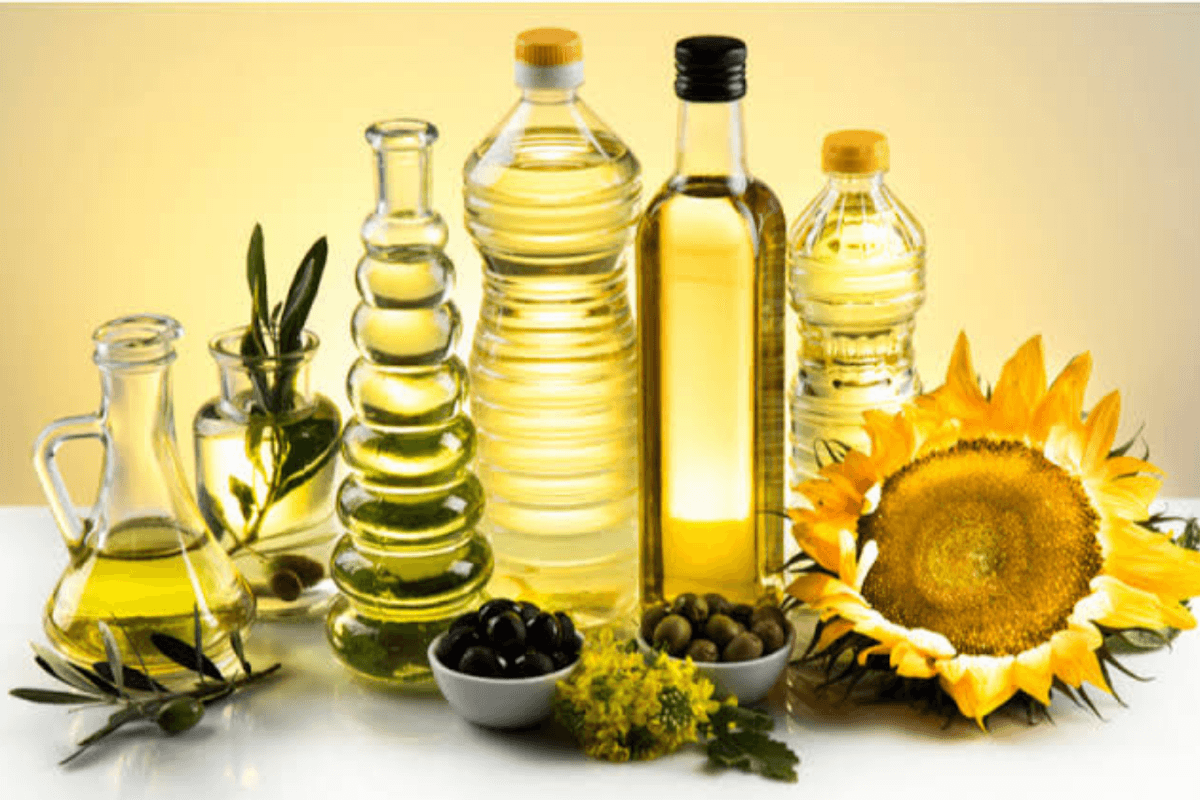
Pakistan’s palm oil imports hit a record 3.48 million tonnes in FY26, deepening reliance on imports as local oilseed output weakens
None
Pakistan’s palm oil imports hit a record 3.482 million metric tonnes in the fiscal year ended June 30, 2026, as rising domestic demand for ghee and cooking oil and weak local oilseed production increased the country’s reliance on imports.
Pakistan imported palm oil worth USD 3.785 billion in FY26, up 8.3% from 3.214 million tonnes worth USD 3.4 billion in FY25, according to data from the Pakistan Bureau of Statistics (PBS).
The average import price rose modestly to USD 1,078 per tonne in FY26 from USD 1,056 a year earlier.
Pakistan Vanaspati Manufacturers Association (PVMA) Chairman Sheikh Umer Rehan said the increase in imports reflected higher consumption of edible oil products, driven by population growth and declining domestic oilseed production, particularly cottonseed.
He said Pakistan’s annual edible oil consumption had risen to about 4.8 million tonnes from 4 million tonnes five years ago, while successive governments had failed to formulate a comprehensive edible oil policy since independence.
Pakistan meets the bulk of its edible oil requirements through imports, leaving the sector vulnerable to fluctuations in international commodity prices and exchange rates.
Retail prices of ghee and cooking oil also increased over the past year, according to the Sensitive Price Indicator (SPI). The national average price of a 5-litre cooking oil pack rose to PKR 2,975-3,110 from PKR 2,800-3,000 a year earlier.
The average price of a 2.5-kilogram pack of ghee increased to PKR 1,500-1,565 from PKR 1,425-1,485, while the price of a 1-kilogram pack rose to PKR 590-610 from PKR 550-580.
Rehan also criticized tax measures introduced in the FY27 federal budget, saying the industry was facing mounting pressure from the Federal Board of Revenue (FBR).
He said the FBR was requiring manufacturers to pay general sales tax (GST) based on the maximum retail price (MRP), rather than the ex-mill price, replacing the previous taxation mechanism.
According to Rehan, the expanded scope of the Third Schedule under the FY27 budget would significantly increase the industry’s tax burden and could raise ghee and cooking oil prices by PKR 10-15 per kilogram.
He said the PVMA had urged the government during the budget process to reduce taxes on the edible oil and ghee sector to help contain food inflation and ease the burden on consumers.




Comments
See what people are discussing