

Pakistan’s polypropylene industry seeks higher taxes on commercial imports
The industry wants tighter documentation, automated exemptions and faster refunds to curb alleged tax evasion in informal manufacturing

Business Desk
The Business Desk tracks economic trends, market movements, and business developments, offering analysis of both local and global financial news.
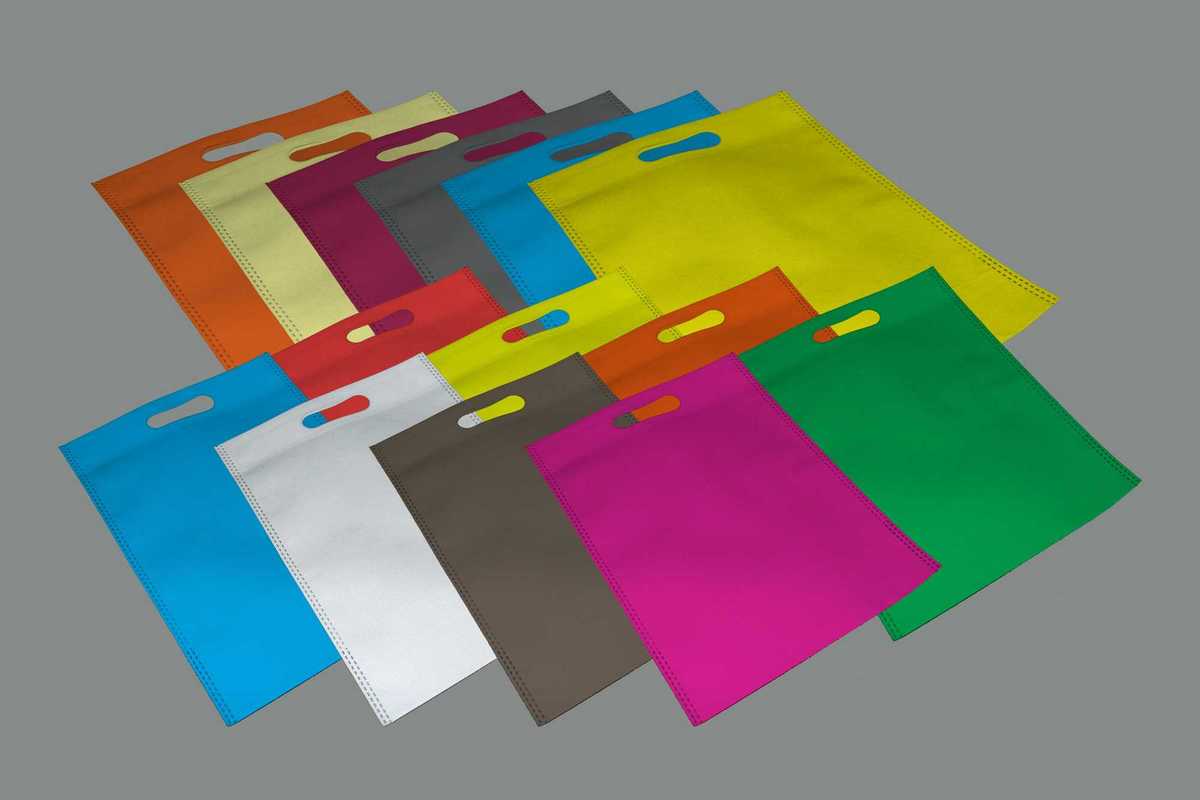
The polypropylene industry says mandatory identification would make it easier to trace production back to manufacturers
Pakistan’s polypropylene industry has asked the Special Investment Facilitation Council to support higher taxes on commercial imports of polypropylene granules, tighter documentation and automated tax administration, arguing that undocumented production and alleged “flying invoices” are enabling tax evasion and putting registered manufacturers at a disadvantage.
What tax changes does Pakistan’s polypropylene industry want?
The industry wants the minimum value-addition tax on commercial imports raised to 7% from 3% and has proposed a higher withholding tax on polypropylene imports. It also wants stronger documentation of bag manufacturers, automated tax exemptions and refunds, and measures aimed at reducing alleged informal production and tax evasion.
In a letter to SIFC Secretary Jamil Ahmad Qureshi, the industry said large quantities of polypropylene granules used to manufacture bags were being commercially imported and supplied to undocumented manufacturers. It alleged that the supplies had become a source of sales and income tax evasion through “flying invoices” and undeclared downstream production.
The industry also said an existing withholding-tax exemption for commercial importers of industry-specific raw materials puts registered industrial importers at a disadvantage and encourages cash transactions. It estimated the polypropylene industry’s average withholding-tax burden on sales at 7.9%.
The industry proposed raising the minimum value-addition tax on commercial imports under Section 7A of the Sales Tax Act to 7% from 3%. With the standard sales tax rate at 18%, that would result in a combined rate of 25% for commercial importers, according to the proposal.
The current Sales Tax Act sets the standard rate at 18% and the minimum value-addition tax on imported goods at 3%, subject to specified exclusions.
The industry said a differential sales tax regime for commercial imports would help curb alleged tax evasion by undocumented manufacturers. It also proposed raising what it described as the applicable Section 148 withholding rate on polypropylene industry imports from 2% to 3%, while allowing a generic withholding-tax exemption under Section 153 for polypropylene bag manufacturers.
It argued that the changes would create a more level playing field between industrial and commercial importers, increase government revenue and reduce the need for manufacturers to repeatedly seek tax exemptions.
How does the industry want polypropylene bags to be tracked?
The polypropylene industry wants manufacturers to print their Sales Tax Registration Number and Track and Trace Registration Number on every bag supplied. It said mandatory identification would make it easier to trace production back to manufacturers and identify units operating outside the documented tax system.
The industry also proposed regulatory or customs duties alongside the differential sales tax regime to discourage commercial imports and the informal use of polypropylene granules.
Its proposals extend beyond import taxation to the administration of exemptions and refunds. The industry urged the Federal Board of Revenue to automate tax exemption certificates using taxpayer information already available in its systems.
Section 159 of the Income Tax Ordinance allows the commissioner to issue exemption or lower-rate certificates. For companies, the commissioner must issue the certificate within 15 days of an application, after which it is deemed issued and automatically processed through Iris.
The industry proposed that FBR’s system automatically assess eligibility using tax and sales data rather than requiring repeated manual processing.
It also called for implementation of the electronic income-tax refund mechanism under Section 170A, claiming no refund had been processed under the provision despite it having been in place for about five years. The industry said delays had resulted in refunds being held up or adjusted against tax demands.
Section 170 requires the commissioner to decide a refund application within 60 days. Section 170A allows FBR to electronically process and issue refunds verified through its computerised system.
The industry said automated refunds and exemption certificates would improve transparency and reduce discretionary decision-making.
What changes does the polypropylene industry want in tax assessments?
The industry also wants greater scrutiny of tax assessment orders and the performance of assessing officers. It said notices should clearly identify disputed issues, taxpayers should receive sufficient opportunity to respond, and officials should properly evaluate those responses before reaching conclusions.
It proposed measuring assessing officers partly on how their orders perform in appellate forums and taking action against officials responsible for what it described as frivolous or substandard assessments.
The proposal also called for penalties and compensation for affected taxpayers, arguing that greater accountability would deter weak assessments and encourage the tax machinery to focus on sustainable revenue collection.





Comments
See what people are discussing