

Pakistan fuel prices hit all-time high as govt announces PKR 184 per liter hike
Federal ministers say the government was compelled to increase the prices and US-Israel war on Iran drags on

Abdul Moiz

Haris Zamir
Business Editor
Experience of almost 33 years where started the journey of financial journalism from Business Recorder in 1992. From 2006 onwards attached with Television Media worked at Sun Tv, Dawn Tv, Geo Tv and Dunya Tv. During the period also worked as a stringer for Bloomberg for seven years and Dow Jones for five years. Also wrote articles for several highly acclaimed periodicals like the Newsline, Pakistan Gulf Economist and Money Matters (The News publications)
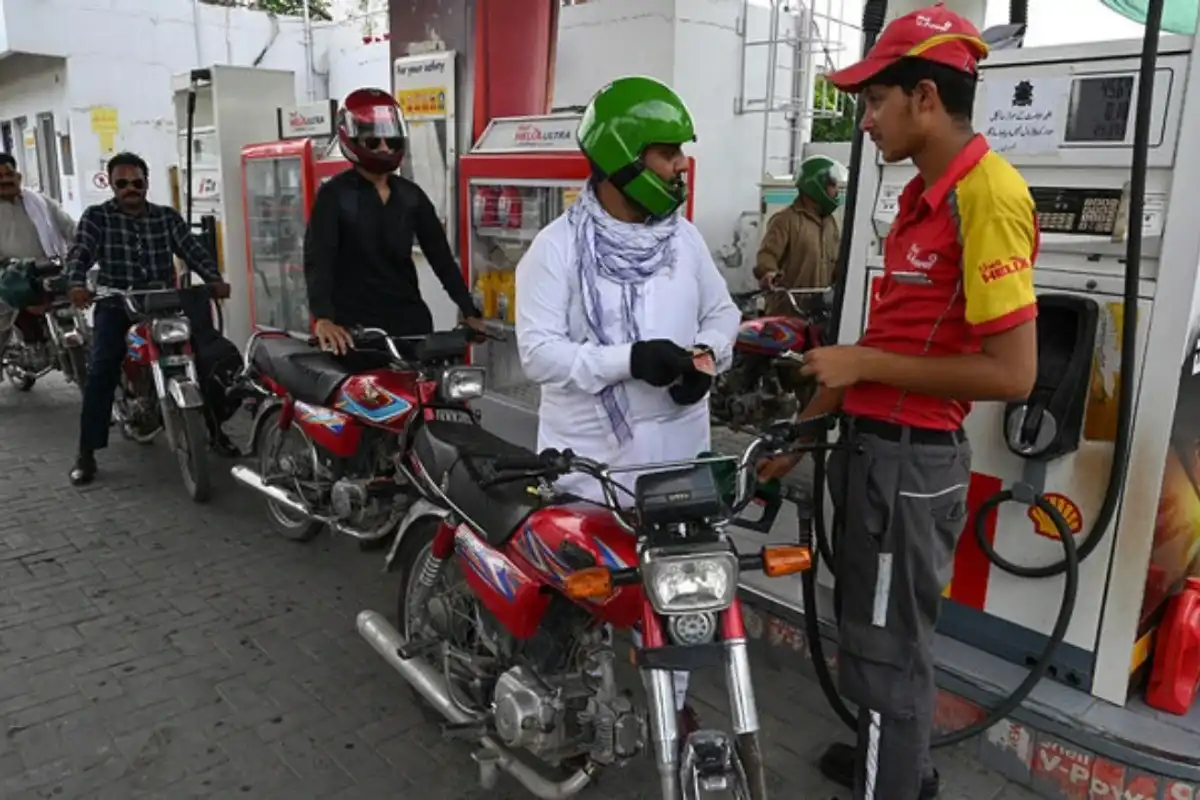
The price of petrol and diesel has hit a record high in Pakistan after the government announced a PKR 184 per liter increase on Thursday.
In a late-night press conference, Petroleum Minister Ali Pervaiz Malik announced a PKR 137.3 per liter increase in the price of petrol and a PKR 184.49 per liter increase in the price of diesel.
The new price of petrol will be PKR 458.47 and diesel PKR 520.35 per liter.
The hike has offset the subsidy of PKR 96 per liter on petrol and PKR 204 per liter on diesel being provided by the Pakistani government.
Subsidy plan
The government will provide a subsidy of PKR 100 per liter to motorcyclists for three months, with a monthly cap of PKR 20 . It is unclear how the government will monitor fuel consumption.
Finance Minister Muhammad Aurangzeb said trucks and goods transporters will get a subsidy of PKR 70,000 per month, while large trailers will get a subsidy of PKR 80,000. Smaller inter-city carriers will get a subsidy of PKR 100 per liter.
Buses and passenger vehicles will get a subsidy of PKR 100,000 every month.
Small farmers who use diesel in tractors and farm machinery will receive a subsidy of PKR 1,500 per acre.
Aurangzeb said the subsidies will be reviewed next month as the situation is "evolving every hour, not week".
He added the government is also taking steps to cut fuel consumption and discussions are ongoing between the federal and provincial governments to reduce operational hours for markets and commercial activities.
The government has reduced the Petroleum Development Levy on diesel to PKR 0, but hiked it to PKR 160.6 per liter on petrol. Previously, PDL on petrol was PKR 105.37 and PKR 55.2 on diesel.
Global price spike
Since the US and Israel launched strikes on Iran on February 28, oil prices have risen sharply as the shipping of petroleum products via the Strait of Hormuz came to a virtual standstill, creating global disruptions.
The price of Dubai crude – the benchmark for fuel prices in Pakistan – has increased by 61% from USD 71.2 per barrel on Feb 27 to USD 114.6 by April 2. The prices of diesel and petrol in the international market have surged by 222.2% and 79.5%, respectively, during the same period.
The Pakistan government increased the price of petrol and diesel by PKR 55 per liter on March 6, but kept the prices unchanged the next three weeks, weary of the inflationary impact that expensive fuel would trigger.
In total, the government has provided a subsidy of PKR 130 billion in three weeks.
Even though the federal government routed PKR 100 billion from development spending to fund the subsidies and asked the provinces to share the financial burden, analysts warned the country doesn’t have the fiscal space to continue the subsidy.
The IMF, which recently reached an agreement to release a tranche of $1.2 billion out of the $7 billion loan program, has called for avoiding energy subsidies.
In statement last week, the fund called these subsidies regressive and they have “high fiscal costs” and create distortions in the economy
The government was banking on lower fuel consumption to preserve foreign exchange spent on imports. However, data showed diesel sales rose 21% and petrol sales 16% year-on-year in March.




Comments
See what people are discussing