

PM Shehbaz seeks business input to drive export-led growth
PM Shehbaz Sharif meets business leaders to boost export-led growth, pledging tax relief, lower energy costs and streamlined regulations
Haris Zamir
Business Editor
Experience of almost 33 years where started the journey of financial journalism from Business Recorder in 1992. From 2006 onwards attached with Television Media worked at Sun Tv, Dawn Tv, Geo Tv and Dunya Tv. During the period also worked as a stringer for Bloomberg for seven years and Dow Jones for five years. Also wrote articles for several highly acclaimed periodicals like the Newsline, Pakistan Gulf Economist and Money Matters (The News publications)
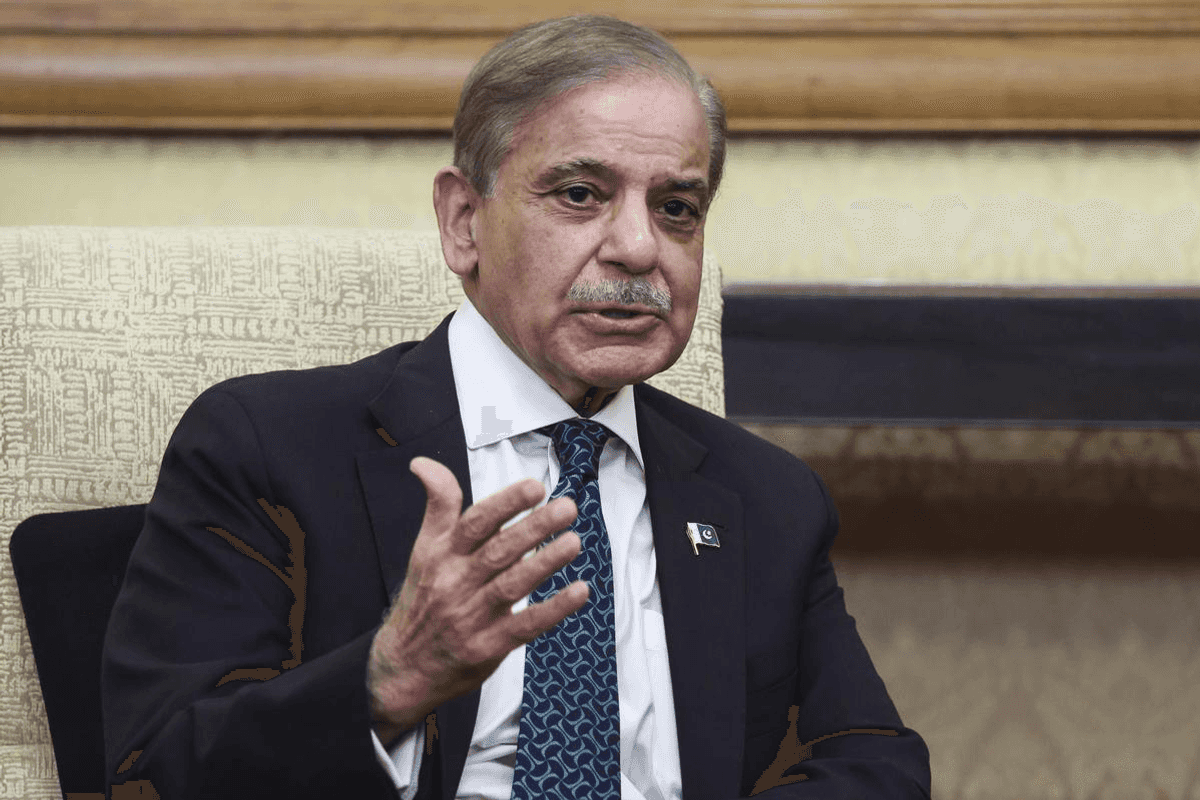
Prime Minister Shehbaz Sharif on Tuesday sought proposals from leading industrialists and business leaders on boosting Pakistan's exports.
He told the meeting that economic growth must be driven by an expansion in exports, calling for continued consultation with the private sector.
What did PM Shehbaz discuss with the business community?
Sharif welcomed proposals from business leaders and directed authorities to examine extending the exemption from super tax for exporters.
He called for continued consultation with the private sector on export, investment, trade and industrial policy. He said several recommendations from the business community had already been incorporated into the federal budget following consultations before its approval.
What reforms did PM Shehbaz announce for exporters?
Sharif said the government was taking effective measures to promote business activity and improve the ease of doing business. He said reducing energy costs remained a key priority and directed authorities to resolve problems faced by businesses. He also called for strengthening the recently established Trade Facilitation Board, saying business leaders' proposals should be used to improve its scope and effectiveness.
The prime minister said the Special Investment Facilitation Council had given investors a streamlined, one-window platform. He added that work was under way on a regulatory guillotine to remove unnecessary rules, simplify regulations and cut compliance costs.
What progress has Pakistan made on tax and economic reform?
Sharif said the Federal Board of Revenue had made significant progress in digitization, recovering Rs800 billion through enforcement measures last fiscal year without imposing new taxes.
He said Pakistan's macroeconomic conditions had improved significantly, but further reforms were needed at the microeconomic level to spread the benefits of recovery more widely. He also said the government was working to build a skilled workforce aligned with industry needs, directing authorities to speed up efforts to equip young people with market-relevant skills.
What infrastructure and IT initiatives were discussed?
Officials briefed business leaders on measures to improve trade and industrial activity, including lower port charges and transport upgrades. They said work was under way to upgrade the M-10 motorway and develop the Pipri Freight Corridor, improving connectivity between Karachi's ports and the country's inland transport network. Officials also briefed the delegation on plans to expand information technology exports, including training one million people in IT and artificial intelligence.
How did business leaders respond to the meeting?
Business leaders expressed confidence in the government's economic policies and welcomed what they described as improved macroeconomic stability.
They also backed the government's privatization and deregulation efforts, presenting proposals on issues affecting their respective industries. Attendees included Mian Muhammad Mansha, Arif Habib, Saqib Shirazi, Atif Bajwa, Muhammad Ali Tabba, Musadaq Zulqarnain, Umar Saeed, Samad Dawood, Amir Ibrahim, Javed Bilwani and Yousuf Hussain, alongside Deputy Prime Minister and Foreign Minister Ishaq Dar and other senior officials.




Comments
See what people are discussing