

President Trump anticipates new Iran talks despite rejecting Tehran's Hormuz ceasefire proposal
US President Donald Trump stated he expects indirect negotiations with Iran to resume through Qatari mediators, despite rejecting Tehran's seven-day truce proposal and asserting that Iranian leadership overplayed their hand

News Desk
The News Desk provides timely and factual coverage of national and international events, with an emphasis on accuracy and clarity.
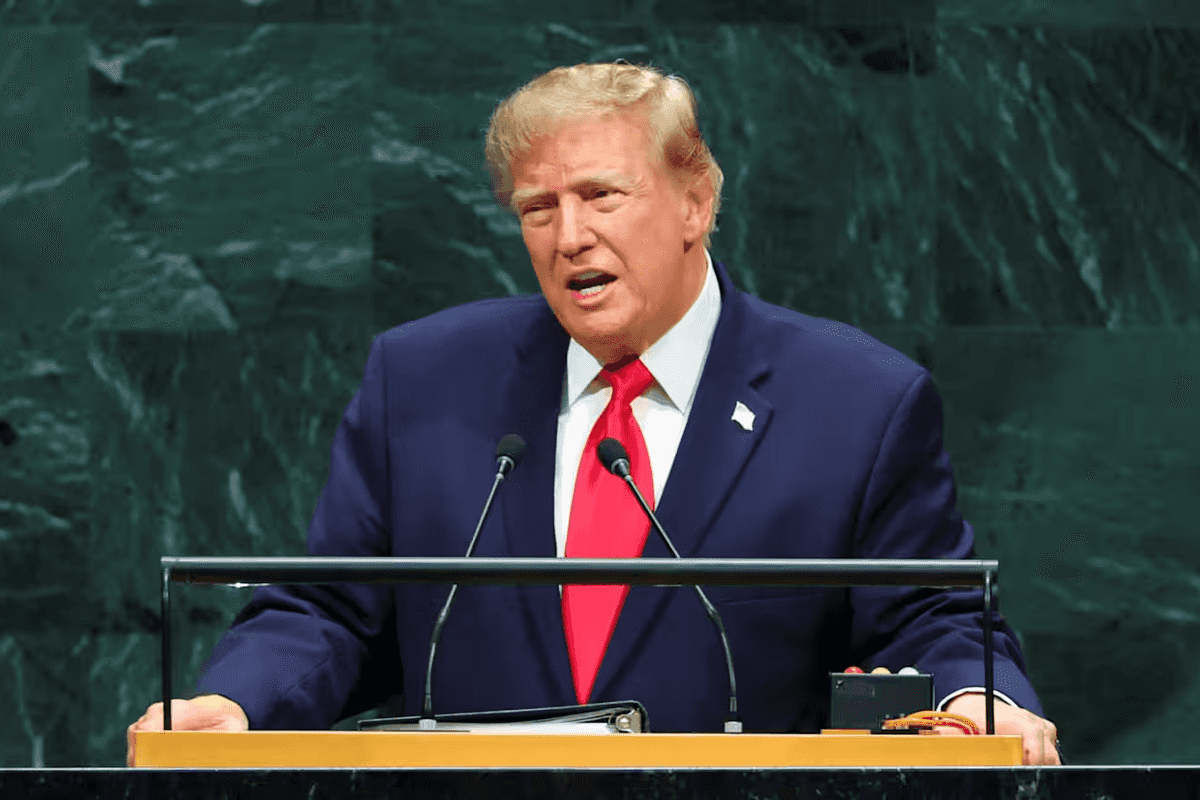
U.S. President Donald Trump announced on Sunday that he expects indirect diplomatic talks with Iran to resume in the coming days, despite his formal rejection of Tehran's proposed seven-day truce and Strait of Hormuz agreement.
Why did President Trump reject Iran's truce proposal while expecting new negotiations?
In an interview published by Axios, President Trump dismissed the Iranian offer presented on the sidelines of the UN General Assembly in New York, which conditioned the reopening of the Strait of Hormuz on a comprehensive regional ceasefire, the unfreezing of $12 billion in Iranian assets, and an end to U.S. naval blockades and energy sanctions. "They want to make a deal, but it is not the deal that I want to make," Trump stated, adding that Tehran "overplayed their hand" by demanding terms Washington might have considered earlier in the conflict.
Despite the initial rejection, reports from Axios indicate that indirect negotiations facilitated by Qatari mediators could resume as early as Monday. U.S. Ambassador to the UN Mike Waltz characterized Tehran's proposal in an interview with NBC News as a "cynical attempt" to secure major economic and sanctions concessions before substantive talks, while reaffirming that Washington remains open to verified diplomacy under international non-proliferation standards.
How is Iran responding as maritime tensions escalate in the Strait of Hormuz?
Iranian Foreign Minister Abbas Araghchi affirmed through state broadcaster IRIB that Tehran remains committed to its core conditions for reopening the strategic shipping lane, emphasizing that Iran has not closed the door to diplomacy but will not relinquish its sovereign rights under coercion. The diplomatic stalemate persists alongside active military friction along the Gulf maritime corridor:
- Drone Seizure: Iran's Islamic Revolutionary Guard Corps (IRGC) announced on Sunday that its naval forces intercepted and seized an American uncrewed submersible drone in the Strait of Hormuz, alleging the vessel was conducting illegal surveillance.
- Demands and Countermeasures: Tehran's prerequisites for easing its maritime restrictions include an end to military operations in Lebanon and Yemen, while Washington continues sporadic military strikes on coastal infrastructure in response to Iranian interference with commercial shipping.
The current standoff follows the June collapse of a bilateral Memorandum of Understanding, which broke down after Iranian forces targeted commercial tankers accused of violating approved transit channels.
Both capitals remain under intense international pressure as regional mediators attempt to establish a viable framework for maritime security and de-escalation.





Comments
See what people are discussing