

PTA seeks solar shift for telecom towers amid tariff relief push
Operators cite a 197% rise in commercial electricity rates since 2018 and seek industrial tariffs as PTA asks for diesel-reduction plans by December 7

Business Desk
The Business Desk tracks economic trends, market movements, and business developments, offering analysis of both local and global financial news.
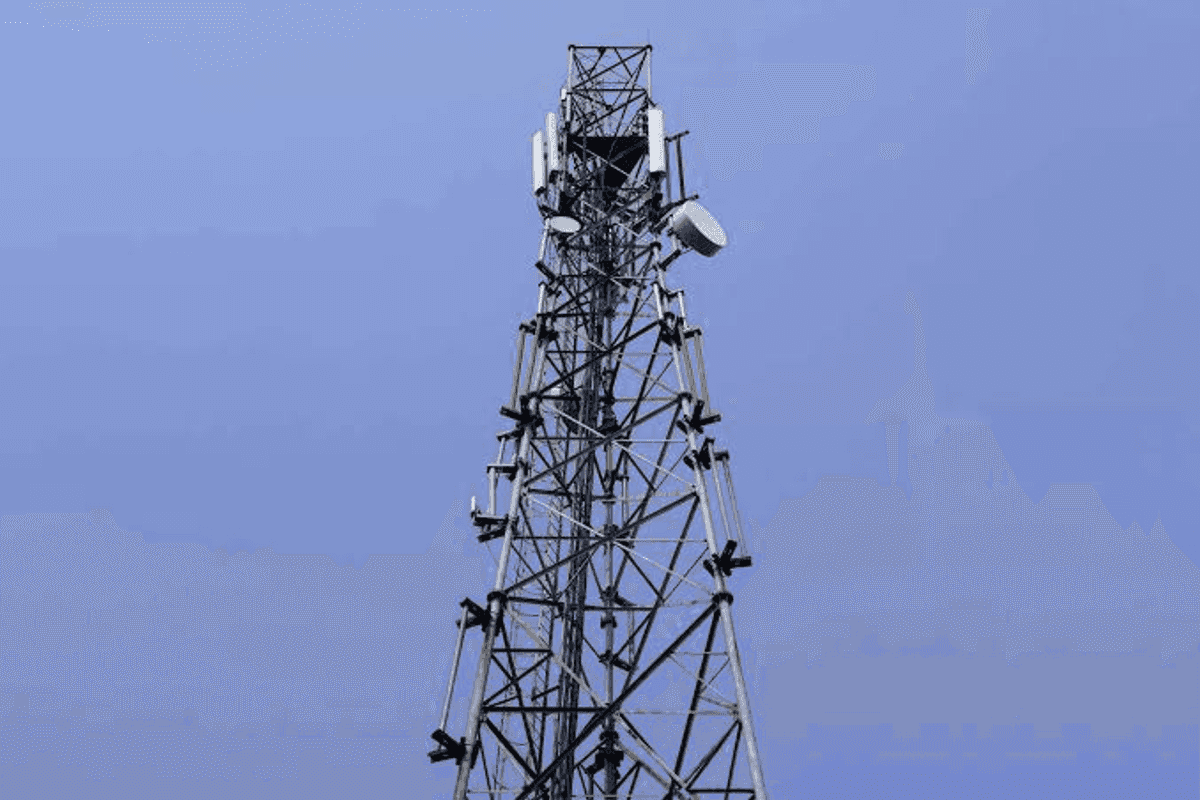
PTA wants operators to identify towers disrupted by electricity failures, assess solar, battery and hybrid options.
The Pakistan Telecommunication Authority (PTA) is seeking plans to shift outage-prone telecom towers toward solar and other alternative energy as operators press the government for cheaper grid electricity. The regulator has set a December 7 deadline for feedback on a phased roadmap to reduce diesel use and improve network reliability ahead of further 5G expansion.
What is PTA proposing for telecom towers?
PTA wants operators to identify towers disrupted by electricity failures, assess solar, battery and hybrid options, and submit investment plans with one-, two- or three-year timelines. It is also seeking views on requiring renewable energy at high-outage sites and reducing diesel consumption at the 10% of sites using the most fuel.
The consultation proposes classifying sites that remain out of service because of power failures for at least 5% of a month as high-outage locations.
PTA is seeking feedback on whether renewable energy systems, including solar installations with sufficient battery storage, should become mandatory at these sites. No compulsory conversion requirement has been introduced.
Operators and infrastructure providers have been asked to submit site-level information on electricity outages, backup arrangements, grid availability, diesel consumption and the feasibility of alternative energy systems.
The proposed framework recognizes that uniform renewable energy requirements may not be technically or commercially feasible across all telecom sites because of differences in location, grid reliability and investment costs.
The regulator is also considering shared renewable energy systems for towers serving multiple operators and has called for coordination with the National Electric Power Regulatory Authority (NEPRA), power distribution companies (DISCOs) and other energy-sector institutions.
Why are telecom operators demanding lower electricity tariffs?
PTA's proposed solar transition comes as telecom operators seek industrial electricity tariffs for licensed infrastructure, arguing that commercial rates have increased operating costs and encouraged investment in off-grid energy systems.
In a joint letter dated October 1, 2026, the chief executives of Jazz, Zong, PTML (Ufone and Telenor) and PTCL sought Prime Minister Shehbaz Sharif's intervention to rationalize electricity tariffs.
According to the operators, commercial electricity tariffs applicable to telecom infrastructure have increased approximately 197% since 2018, while fuel costs have risen around 300%.
During the same period, average revenue per user (ARPU) has declined approximately 22%, adding to pressure on the sector's financial sustainability.
The operators said they had committed approximately USD 2 billion over three years toward 5G deployment and fiber network expansion, alongside investments in AI-ready data centers.
They warned that increasingly power-intensive telecommunications and computing infrastructure would add to electricity requirements, further raising operating costs under commercial tariffs.
The companies also cited the Mobile Cellular Policy 2004 and Finance Act 2021 in support of their demand for industrial electricity rates.
The Finance Act 2021 included PTA-licensed telecom operators within the definition of industrial undertakings for income-tax purposes. However, that classification did not automatically extend industrial electricity tariff eligibility to telecom infrastructure.
Could cheaper electricity slow telecom solarization?
Telecom operators argue that high commercial electricity rates have already encouraged them to invest in solar and other off-grid energy systems, reducing their reliance on the national grid.
According to industry estimates, extending industrial electricity tariffs to eligible telecom infrastructure could slow annual growth in off-grid solar adoption from 15% to between 5% and 7%.
The companies estimate that cheaper grid electricity could increase their grid consumption by 15% to 20%.
They contend that additional electricity sales could offset the initial revenue impact of lower tariffs on DISCOs within two to three years.
These projections are based on industry estimates and have not been independently verified.
To prevent the proposed concession from extending to unrelated commercial activities, operators have suggested restricting eligibility to infrastructure certified by PTA.
Eligible facilities would include cellular towers, base transceiver stations, switching centers, exchanges, AI and cloud data centers, fiber network nodes and network operations centers.
Corporate offices, customer service centers, franchises and retail outlets would be excluded.
The companies have also proposed establishing a dedicated digital and telecom infrastructure electricity consumer category at industrial rates if reclassification under the existing tariff framework requires further regulatory processing.
The industry has committed to reinvesting operational savings into 5G expansion, rural connectivity and fiber network development.
The proposed tariff relief would not necessarily eliminate the need for renewable energy. Solar and battery systems could remain important at sites experiencing prolonged outages, while grid electricity could become more attractive where reliable connections are available.
What action has the government taken on telecom electricity tariffs?
The government's January 6, 2026, spectrum auction policy directive called for a joint task force to examine industrial power tariffs, smart-grid solutions and dedicated electricity feeders for telecom infrastructure.
The task force, comprising representatives from the Ministry of IT and Telecommunication, Power Division, NEPRA, PTA, DISCOs and telecom operators, was constituted on June 29.
It held its first meeting on August 4, 2026, according to the operators.
The Prime Minister's Office subsequently directed the task force to finalize its recommendations in consultation with the Power and Finance Divisions, according to reporting published November 11.
The recommendations are expected to address the financial implications of industrial tariff treatment and possible mechanisms for handling the difference between existing commercial and proposed industrial electricity rates.
A final government decision on the industry's tariff request has not been announced.
Meanwhile, PTA's consultation on alternative energy for telecom towers remains open until December 7.
The two initiatives reflect the need to address both electricity costs and network reliability as Pakistan expands its 5G, fiber and data-center infrastructure.




Comments
See what people are discussing