

Punjab’s Long-Term Smog Mitigation Strategy Begins Showing Results
Two years into its broader environmental push, the province is reporting declining health indicators and expanding interventions across transport, industry and agriculture.

Partner Content
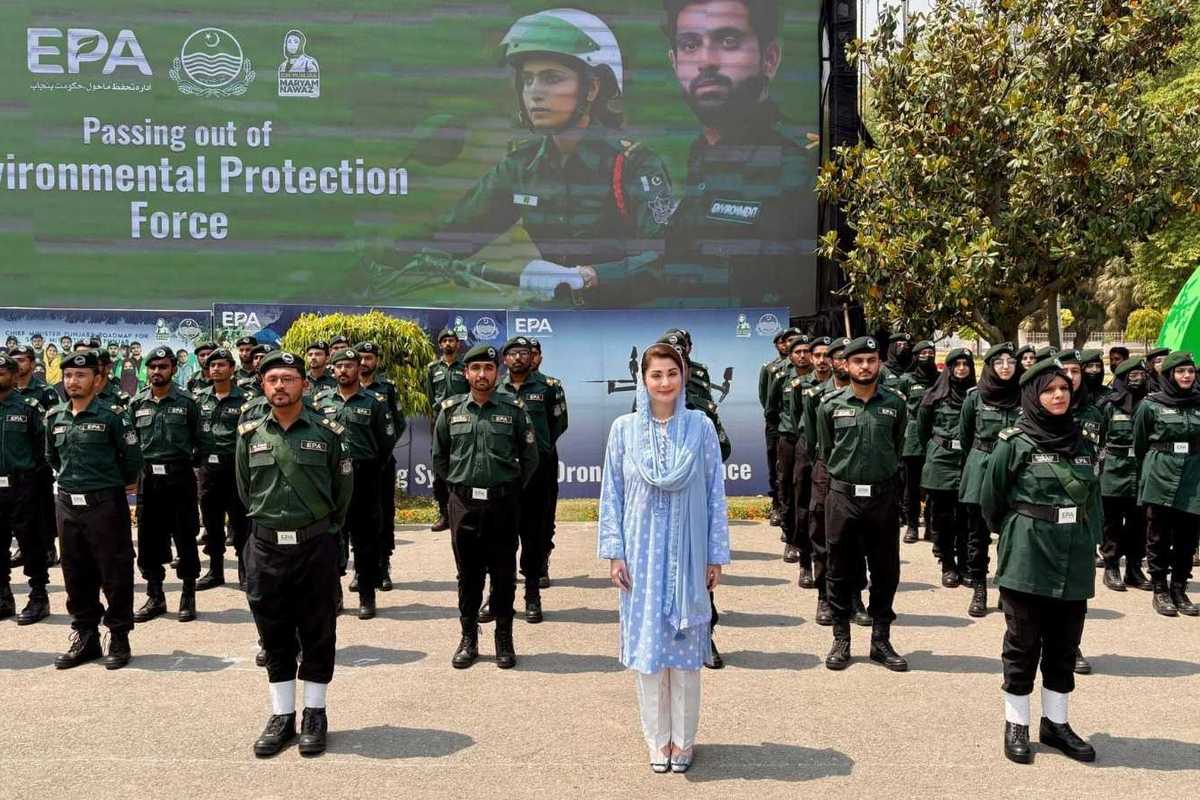
Recent environmental and healthcare indicators suggest encouraging progress, with Lahore recording its cleanest October in five years in 2026.
Supplied
Smog has remained one of Punjab’s most persistent environmental and public-health challenges. Vehicle emissions, industrial smoke, crop-residue burning and construction dust, combined with unfavourable weather conditions, contribute to rising air pollution, particularly during winter.
However, Punjab’s approach is increasingly shifting from seasonal emergency measures towards a comprehensive, year-round strategy focused on tackling pollution at its source. Recent environmental and healthcare indicators suggest encouraging progress, with Lahore recording its cleanest October in five years in 2026.
According to Punjab Government healthcare data, reported patients across five smog-related disease categories declined by 43 per cent between January and October 2026 compared with the same period in 2025. Respiratory illness outpatients also recorded a 69 per cent reduction compared with 2023.
While these figures do not establish a direct causal link between individual environmental interventions and improved health outcomes, they indicate a positive trend as the province expands its efforts across multiple sectors.
A Multi-Sectoral Approach to Pollution Control
Smog is caused by a combination of pollutants from vehicles, industries, agricultural activities and other sources. During colder months, temperature inversion and reduced wind movement can trap pollutants closer to the ground, worsening air quality.
Recognising the complexity of the problem, Punjab has adopted a multi-sectoral strategy covering transport, agriculture, industry, brick kilns and environmental monitoring. The approach combines stricter enforcement, cleaner technologies, farmer support and coordinated action throughout the year rather than relying solely on winter restrictions.
Healthcare Figures Show a Downward Trend
Between January and October 2026, Punjab recorded approximately 7.03 million reported patients across five smog-related disease categories, compared with 12.39 million during the corresponding period in 2025.
Individual categories also showed improvement, with reported respiratory illness patients declining by 44 per cent, nose and throat infections by 47 per cent, asthma cases by 27 per cent and chronic lung disease patients by 18 per cent.
The longer-term trend is equally significant. Respiratory illness outpatients declined from 22.87 million in January–October 2023 to approximately 7 million in the same period of 2026, representing a reduction of around 69 per cent.
Although healthcare figures alone cannot determine the causes behind these changes, the downward trend offers encouragement. Ultimately, cleaner air means reducing exposure to harmful pollutants and improving living conditions for communities across the province.
Cleaner Transport and Industrial Emission Controls
Transport remains a major contributor to urban air pollution. Punjab currently has 1,100 electric buses operating across 28 districts, with another 1,900 planned to expand cleaner public transport.
The government has also conducted approximately 1.2 million vehicle emission tests through the Emission Testing System (ETS), Punjab Vehicle Inspection and Certification System (PVICS) and Vehicle Inspection and Certification System (VICS), targeting high-emitting vehicles and improving compliance with environmental standards.
Industrial pollution is being addressed through the installation of more than 14,000 emission-control systems in industrial units, covering over 96 per cent of targeted facilities.
Another major intervention is the conversion of all 8,000 brick kilns covered by the provincial initiative to zigzag technology. The cleaner method improves combustion and fuel efficiency while helping reduce smoke and particulate emissions compared with traditional kiln operations.
Tackling Agricultural Burning Through Technology and Enforcement
Crop-residue burning has historically contributed to seasonal air pollution in Punjab, particularly following the rice harvest. To provide farmers with alternatives, more than 10,045 super seeders have been distributed at a 60 per cent subsidy, helping manage agricultural residue without open burning.
Crop-fire incidents declined by 65 per cent in 2025 compared with 2024. Enforcement has also been strengthened through 67 dedicated Quick Response Units staffed by 750 officers across major rice-growing districts. These teams aim to reach reported incidents within 10 to 15 minutes and extinguish fires before they spread.
Punjab’s efforts have attracted international attention, with Reuters reporting on the rapid-response units and their role in tackling stubble burning. The coverage was also carried by Arab News.
Technology and Long-Term Planning
Punjab has installed 80 air-quality monitors across the province, with plans to expand the network to 103 by the end of 2026. The monitoring infrastructure helps authorities track pollution levels, identify hotspots and support informed environmental decisions.
AI-enabled surveillance and digital reporting mechanisms are also strengthening environmental oversight and helping improve coordination and enforcement.
These initiatives form part of the province's broader 10-year Smog Mitigation Plan, which draws inspiration from international approaches adopted by countries including China, South Korea, the UK, Japan and Mexico. These countries have demonstrated the importance of sustained government action, strong environmental regulations and long-term investment in improving air quality.
The first two years of Punjab's plan have shown a downward trend in several smog-related indicators, providing an encouraging foundation for further progress.
Cleaner Air Requires Collective Responsibility
Despite these improvements, Punjab's smog challenge is far from over. Air quality remains influenced by emissions, regional pollution movement, temperature, wind speed and other atmospheric conditions. Sustaining progress will therefore require consistent enforcement, continued investment and year-round implementation.
From electric buses and industrial emission-control systems to modern agricultural machinery and cleaner brick kilns, Punjab's interventions now address several major sources of pollution. The declining healthcare figures offer further encouragement, but lasting improvement cannot depend on government action alone.
Industries must maintain emission-control systems, farmers must adopt alternatives to crop burning, motorists must ensure their vehicles meet emission standards, and citizens must contribute through responsible environmental practices.
The first two years have shown promising trends, but the journey towards cleaner air requires continued commitment from every sector of society. A healthier, cleaner Punjab can only be achieved through sustained government action and collective public responsibility.





Comments
See what people are discussing