Pakistan’s real effective exchange rate (REER) eased slightly to 103.3 in January from 103.6 in December, according to data released on Tuesday by the central bank.
The REER measures the value of a country’s currency against a basket of trading partners’ currencies, adjusted for inflation differentials. A REER above 100 means the currency is overvalued, which can make exports more expensive and less competitive. A REER below 100 means the currency is undervalued, which can help boost exports by making them cheaper in global markets.
Despite the marginal decline, Pakistan’s REER remains above its long-term average, signaling that the rupee continues to face mild overvaluation pressure against major trading partners.
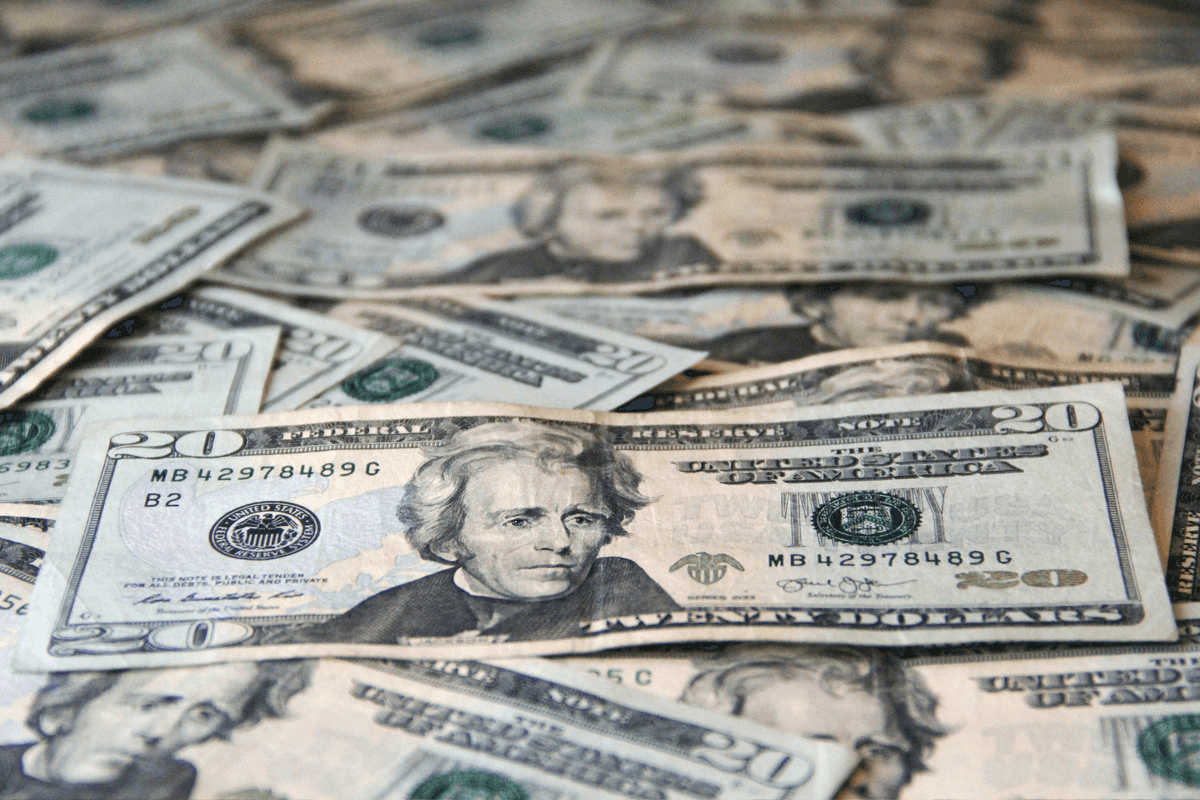
The Pakistani rupee is expected to strengthen modestly against the U.S. dollar in the near term. It closed at 279.6 per dollar on Tuesday.
What does this mean?
The decline in REER reflects a mix of factors, including:
- The depreciation of the rupee against trading partner currencies,
- Relative inflation differences between Pakistan and its key trading partners.
A lower REER is generally seen as positive for exports, but it can also increase the cost of imported goods, potentially adding to inflationary pressure.





Comments
See what people are discussing