

South Asia’s LNG expansion could deepen energy risks, report warns
Study says $107B in planned gas infrastructure may leave India, Pakistan and Bangladesh exposed to price shocks

Business Desk
The Business Desk tracks economic trends, market movements, and business developments, offering analysis of both local and global financial news.
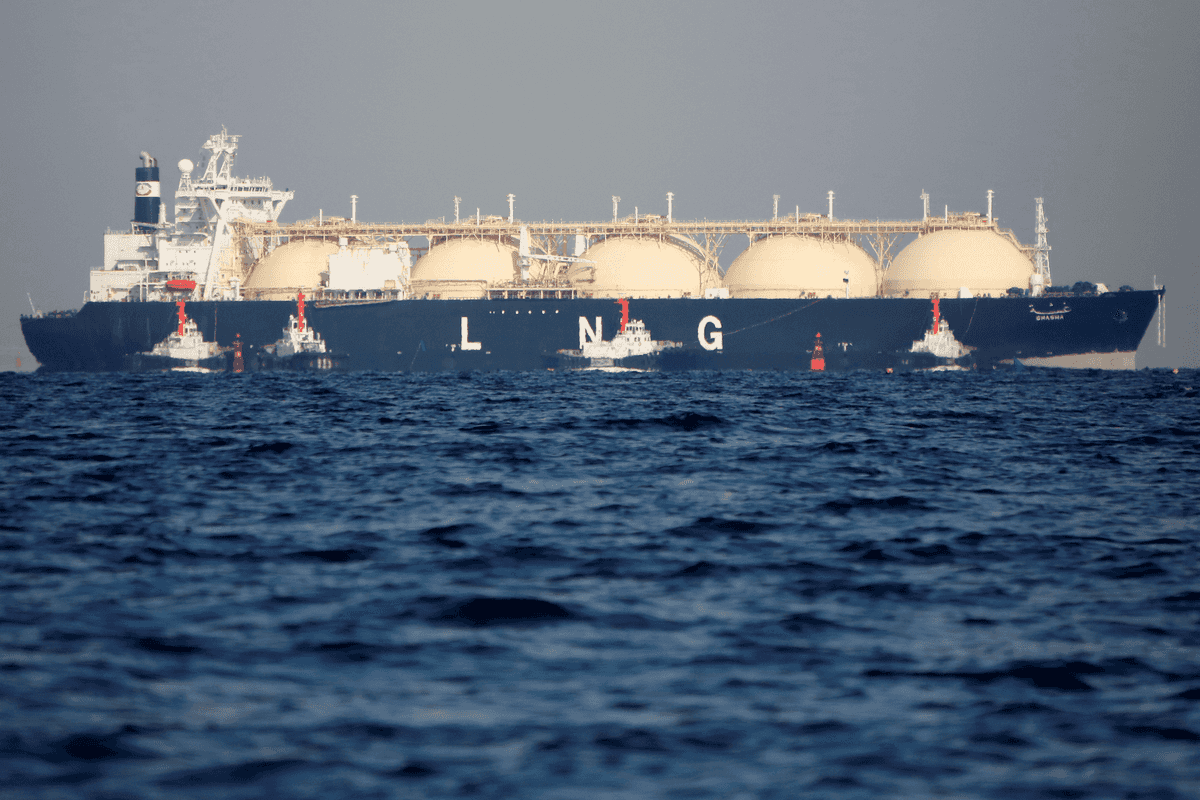
South Asia’s plans to expand liquefied natural gas infrastructure could expose the region to long-term economic and energy security risks as energy markets face price volatility linked to tensions in the Middle East, according to a report by Global Energy Monitor.
The report said price spikes following U.S. and Israeli attacks on Iran and renewed shipping disruptions in the Strait of Hormuz highlight vulnerabilities for countries that rely heavily on imported LNG.
Data from the group’s Asia Gas Tracker show that India, Bangladesh and Pakistan have about $107 billion worth of LNG terminals and gas pipelines either announced or under construction.
Large LNG expansion planned
According to Global Energy Monitor, South Asia accounts for about 17% of global LNG import capacity under development, equivalent to 110.7 million tonnes per year. The region also represents roughly 17% of planned global gas pipelines by length, totaling about 34,146 kilometers.
Bangladesh and Pakistan each have LNG import capacity in development that could roughly double their existing capacity, while India is pursuing the world’s second-largest LNG terminal expansion and the third-largest gas pipeline buildout, the report said.
Despite expectations of a global LNG supply surplus later this decade, the report warned that disruptions to shipping routes or production can quickly push up delivered prices and tighten supply.
Global Energy Monitor said these factors suggest gas may struggle to remain competitive against alternative energy sources in the long run, potentially weighing on the economic growth of emerging markets that rely heavily on LNG imports.
Price volatility and project risks
India, Bangladesh and Pakistan are all price-sensitive LNG importers and have a history of shelving projects during periods of market volatility.
Over the past decade, the three countries have canceled or shelved two to three times as much LNG import capacity as they have brought online, according to the report.
Proposed LNG import terminals in South Asia also show materially higher failure rates than similar projects in Europe.
“The war in the Middle East lays bare just how quickly a growth market can sway into an affordability crisis and up the potential likelihood of project shelving or stalling,” the report said.
Renewables gaining ground
The report also highlighted growing competition from renewable energy across the region.
Renewable power is already outperforming gas in parts of India and Pakistan’s electricity sectors, Global Energy Monitor said, while alternatives such as green hydrogen could eventually reduce reliance on imported gas for industrial use.
Solar power generation in Pakistan has more than tripled in the past three years, and India is on track to meet more than 40% of its electricity demand with renewable energy by 2030, according to the report.
Energy storage technologies are also improving and expanding across Asia, providing grid flexibility that could reduce the need for gas-fired power plants used for peak demand and system balancing.
Robert Rozansky, global LNG analyst at Global Energy Monitor, said LNG-importing economies in the region remain highly vulnerable to price shocks.
“We’ve seen this story before, and South Asian economies that import LNG will struggle with these price shocks,” Rozansky said. “It’s a reminder of the risks of building new gas infrastructure, and that domestic alternatives like renewable power are more affordable and reliable in the long run.”





Comments
See what people are discussing