

Expert laments tax burden on salaried persons, businesses in Pakistan
Gohar Ejaz estimates corporates paid over 90% of PKR 5.83T income tax collected in FY24

Business Desk
The Business Desk tracks economic trends, market movements, and business developments, offering analysis of both local and global financial news.
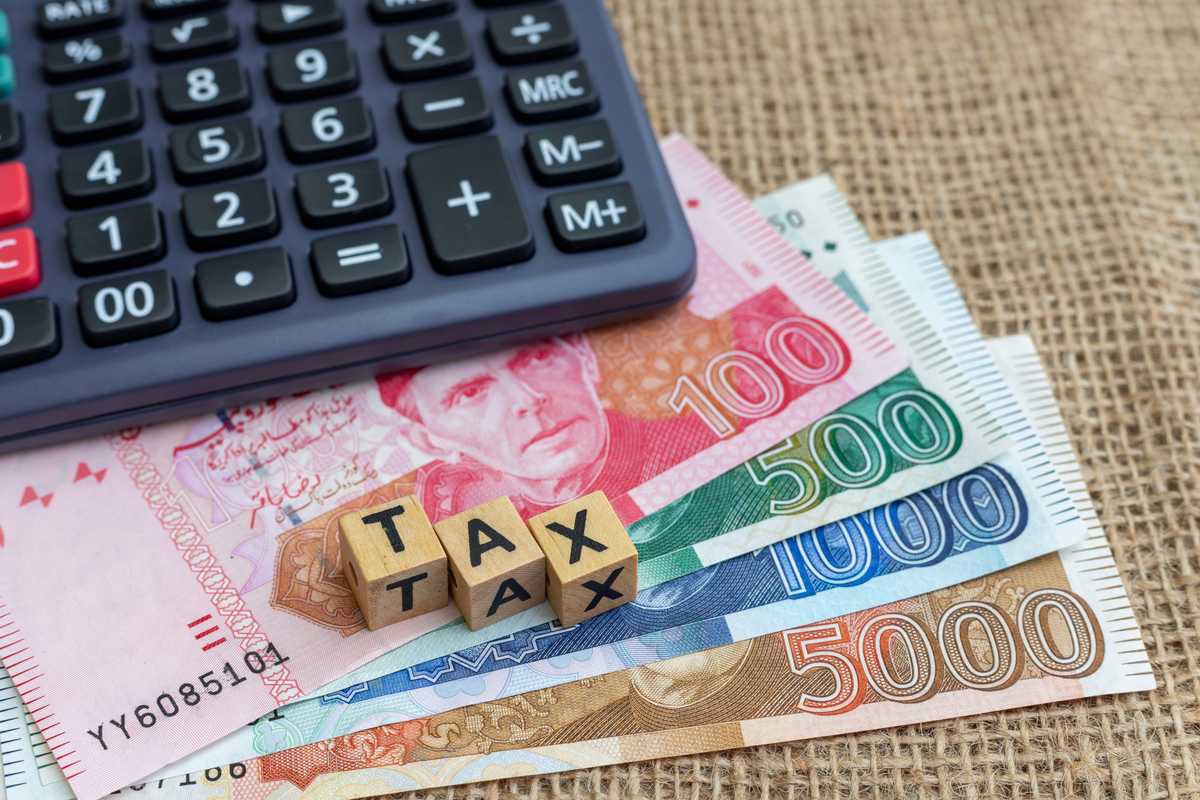
The government collected PKR 5.83T in income tax during FY25, up from PKR 4.57T in FY24
Pakistan’s tax collection continues to remain lopsided, with a disproportionate burden being carried by the salaried class and formal business sector, according to a new analysis.
The government collected PKR 5.83 trillion in income tax during fiscal year 2024-25, up from PKR 4.57 trillion in fiscal year 2023-24.
The disproportionate taxation reveals the authorities’ inability to expand the tax base, bringing the untaxed sectors into the tax net. To make up for the revenue gap caused due to a narrow tax base, the salaried class – who pay income tax directly at source – and formal businesses are disproportionately taxed.
Former Caretaker Minister of Commerce Dr. Gohar Ejaz has claimed the increase in tax collection was a result of excessive taxation of salaried individuals and the business sector.
In his analysis, Ejaz said the sharp increase in tax collection was a reflection of the “unfair and unequal” tax system in Pakistan.
He said the uptick in revenue has raised concerns about equity and fairness in taxation.
Ejaz, who is the Chairman of the Economic Policy and Business Development Committee, said the government collected PKR 575 billion in income tax from salaried individuals last year, compared with PKR 364 billion the previous year.
The business community paid PKR 5.3 trillion, up from PKR 4.1 trillion a year earlier.
According to Ejaz, private limited companies contributed PKR 1.3 trillion, listed companies paid PKR 866 billion, and banking companies added PKR 930 billion to the national exchequer. In addition, associations of persons and other individuals contributed PKR 214 billion and PKR 1.12 trillion, respectively.
He said despite strong tax collection — exceeding PKR 1,000 billion through income taxes alone — the public’s frustration is growing as the burden remains unevenly distributed.
He emphasized the need for a balanced and sustainable tax system to ensure economic stability, urging the government to widen the tax base instead of relying on compliant taxpayers.
Ejaz projected that Pakistan’s tax-to-GDP ratio could reach 15% in fiscal year 2025-26, driven by growth in direct and indirect taxes, the petroleum levy, and provincial tax revenues.




Comments
See what people are discussing