

Pakistan’s fuel oil exports drop 21% as domestic demand surges
LNG disruptions force shift to costlier fuel for power generation

Haris Zamir
Business Editor
Experience of almost 33 years where started the journey of financial journalism from Business Recorder in 1992. From 2006 onwards attached with Television Media worked at Sun Tv, Dawn Tv, Geo Tv and Dunya Tv. During the period also worked as a stringer for Bloomberg for seven years and Dow Jones for five years. Also wrote articles for several highly acclaimed periodicals like the Newsline, Pakistan Gulf Economist and Money Matters (The News publications)
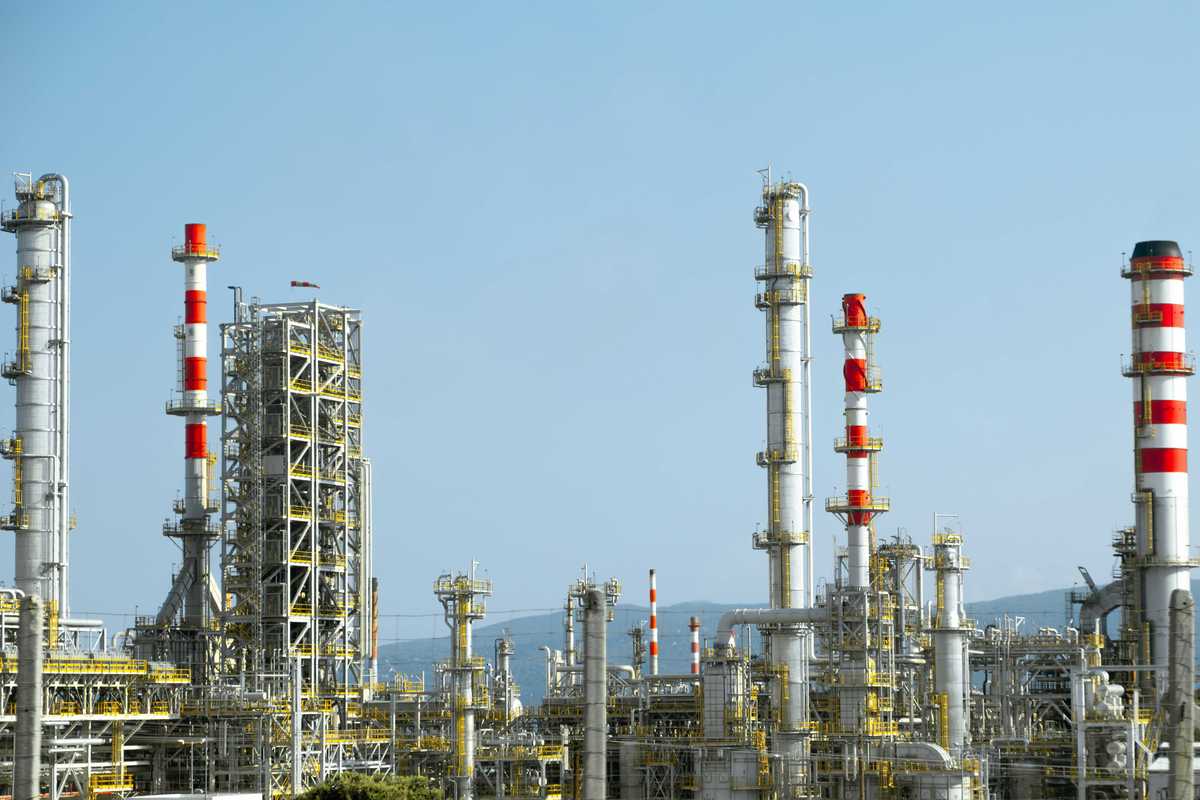
Pakistan's fuel oil exports fell 21% from a year ago to 127,730 metric ton in March, data compiled by the Oil Companies Advisory Council (OCAC) showed, led by increased domestic demand as the government used fuel oil to run electricity generation units to avoid load shedding, according to industry analysts.
Pakistan historically exports its surplus fuel oil due to its high cost and a structural shift toward cheaper energy mixes, such as regasified LNG, coal and renewables, said Bazif Memon, analyst at Optimus Capital Management, on April 21.
However, the ongoing Middle East conflict has severely disrupted regasified LNG supply chains, leaving Pakistan short by about 400 MMcfd and forcing the government to use fuel oil as the alternative source for domestic power, Memon said.
Officials from Pakistan's Ministry of Petroleum informed members of the Senate that in March, only two of eight scheduled LNG cargoes arrived on time due to disruptions in shipments caused by the war in the Middle East. They said the arrival of six cargoes scheduled for April remained uncertain.
Pakistan typically imports about 9-10 LNG cargoes each month from Qatar under long-term LNG purchase contracts, according to the ministry officials.
The country has two contracts with Qatar: one is a 15-year agreement ending in January 2031 with a Brent slope of 13.37%, and the other is a 10-year contract maturing in December 2032 with a Brent slope of 10.2%, they said.
Difference in costs
In March, the electricity generation cost from fuel oil-powered plants in Pakistan was PKR 36.16/unit, compared with PKR 24.56/unit from regasified LNG-powered plants, according to Pakistan’s National Electric Power Regulatory Authority (NEPRA).
The Pakistan government had been discouraging the use of fuel oil for electricity generation, as it costs more than generating electricity from domestic gas, regasified LNG, coal, nuclear and hydroelectric sources.
However, “to mitigate resulting power outages, the government has been forced to temporarily reverse its energy policy, diverting available fuel oil away from exports and back into domestic power generation to run thermal plants at full capacity,” Memon said.
As such, Pakistan switched from an exporter to a net importer of fuel oil.
Refineries in Pakistan also exported light sulfur fuel oil amounting to 26,908 mt in March, compared with nil in the corresponding month last year, the OCAC data showed.
According to Mohammed Bilal Ejaz, research analyst at Ismail Iqbal Securities, fuel oil exports declined in March due to supply chain constraints amid disruptions in the Strait of Hormuz, alongside an increase in domestic consumption for power generation.
“Fuel oil-based electricity output rose to 365 GWh in the quarter ended March 31, 2026, compared to 113 GWh in the same period the previous year,” Ejaz said.
Pakistan's fuel oil consumption in March more than doubled from the preceding month to 90,000 mt, and jumped from 50,000 mt in March 2025, OCAC data showed.
In March, units refined about 190,000 mt of fuel oil, down 21% from a year ago, data said.




Comments
See what people are discussing