

Pakistan's Senate adopts 123 budget recommendations, seeks tax relief for salaried class
Pakistan's Senate adopts 123 budget recommendations for FY2026-27, seeking a higher tax exemption threshold, 15% salary hikes and electricity relief for consumers

Business Desk
The Business Desk tracks economic trends, market movements, and business developments, offering analysis of both local and global financial news.
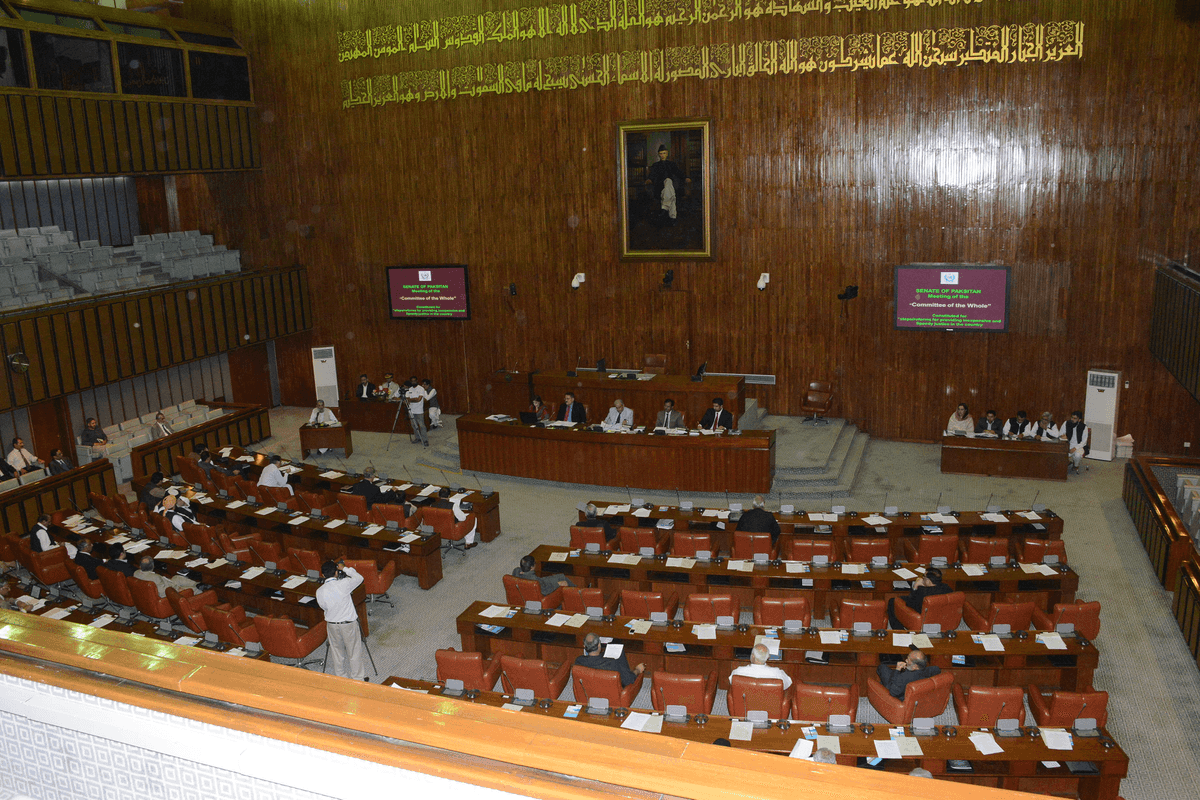
The Senate has adopted 123 recommendations on the federal budget for fiscal year 2026-27, calling for a higher income tax exemption threshold for salaried and low-income individuals, a minimum 15% salary increase for federal government employees, and funds to reduce electricity tariffs for low-consumption households.
The recommendations, moved by Saleem Mandviwalla, chairman of the Senate Standing Committee on Finance and Revenue, have been forwarded to the National Assembly.
What tax relief did the Senate recommend for salaried individuals?
The Senate recommended that tax rates for salaried and low-income individuals be reduced and the tax exemption threshold be increased in line with changes in the national Consumer Price Index.
Lawmakers called for reconsideration of proposed taxation measures affecting the salaried class and essential commodities, arguing that additional tax burdens could further erode household purchasing power.
The recommendations emphasized that revenue generation should instead come from expanding the tax net, eliminating preferential exemptions, and ensuring equitable taxation of undertaxed sectors. To offset this relief, the Senate proposed increasing tax levies on luxury assets and large-engine vehicles.
What salary and medical allowance increases did the Senate propose?
The upper house recommended a minimum 15% increase in salaries for federal government employees in the upcoming fiscal year.
It also urged the government to restore the medical allowance for federal employees and pensioners, which senators said had remained unchanged since 2015 despite significant increases in healthcare costs.
Senators argued that rising inflation and medical expenses have substantially reduced the real incomes of public-sector employees and retirees.
What electricity and GST relief did the Senate call for?
The Senate called for the allocation of funds to reduce electricity tariffs and provide targeted subsidies for low-consumption domestic consumers.
It also sought a transparent roadmap for reducing power sector capacity payments and addressing the country's mounting circular debt.
Separately, the Senate recommended reducing the General Sales Tax on essential food items, medicines, educational materials, and agricultural inputs, advising against imposing new taxes on basic necessities that disproportionately affect lower-income households.
What other sectors did the Senate's recommendations address?
To support agricultural productivity, senators recommended reducing taxes and duties on fertilizers, seeds, pesticides, diesel and agricultural machinery to zero or minimum rates, alongside increased allocations for water conservation and agricultural research.
The recommendations also urged higher federal funding for public hospitals, primary healthcare, higher education and vocational training.
The Senate further called for simplified tax procedures and concessional financing for small and medium enterprises, as well as increased allocations for flood protection and climate-resilient infrastructure.
What happens next with the Senate's recommendations?
The Senate's recommendations are not binding. Under the 18th Amendment, the upper house holds a consultative role on financial legislation, while the National Assembly retains exclusive constitutional authority to vote on, amend, and pass the final Finance Bill.
The proposals will form part of the ongoing parliamentary debate on the Finance Bill 2026 ahead of the concluding budget vote.
The Senate also called for greater fiscal transparency, including public disclosure of all tax exemptions and periodic reporting to Parliament on public debt and circular debt.





Comments
See what people are discussing