

Muslim nations condemn opening of Somaliland embassy in occupied Jerusalem
Pakistan, Saudi Arabia, Turkey and 11 other nations call the Somaliland embassy opening in occupied Jerusalem illegal and a violation of international law

Aamir Abbasi
Editor, Islamabad
Aamir; a journalist with 15 years of experience, working in Newspaper, TV and Digital Media. Worked in Field, covered Big Legal Constitutional and Political Events in Pakistan since 2009 with Pakistan’s Top Media Organizations. Graduate of Quaid I Azam University Islamabad.
The foreign ministers said the move constitutes a "flagrant violation of international law and relevant international resolutions."
A group of Muslim-majority countries, including Pakistan, Saudi Arabia, Qatar, Turkey and Egypt, has strongly condemned the opening of a so-called "Somaliland" embassy in occupied Jerusalem, calling it illegal and a direct violation of international law.
Why did Muslim nations condemn the Somaliland embassy in Jerusalem?
The foreign ministers said the move constitutes a "flagrant violation of international law and relevant international resolutions."
They argued it directly undermines the legal and historical status of occupied Jerusalem. East Jerusalem has been occupied Palestinian territory since 1967, and any attempt to alter that status is, in their view, null and void.
Which countries signed the joint statement?
The joint ministerial statement was issued Saturday by the foreign ministers of 14 countries: Pakistan, Egypt, Saudi Arabia, Qatar, Jordan, Lebanon, Turkey, Indonesia, Djibouti, Somalia, Palestine, Oman, Sudan and Yemen.
Pakistan's Ministry of Foreign Affairs released the statement from Islamabad. The breadth of signatories reflects a coordinated diplomatic response across the Arab and Islamic world.
The ministers described the embassy opening as "illegal and unacceptable," saying it contradicts United Nations resolutions and international law. They rejected any unilateral actions aimed at altering Jerusalem's status or legitimizing arrangements that run counter to established international norms.
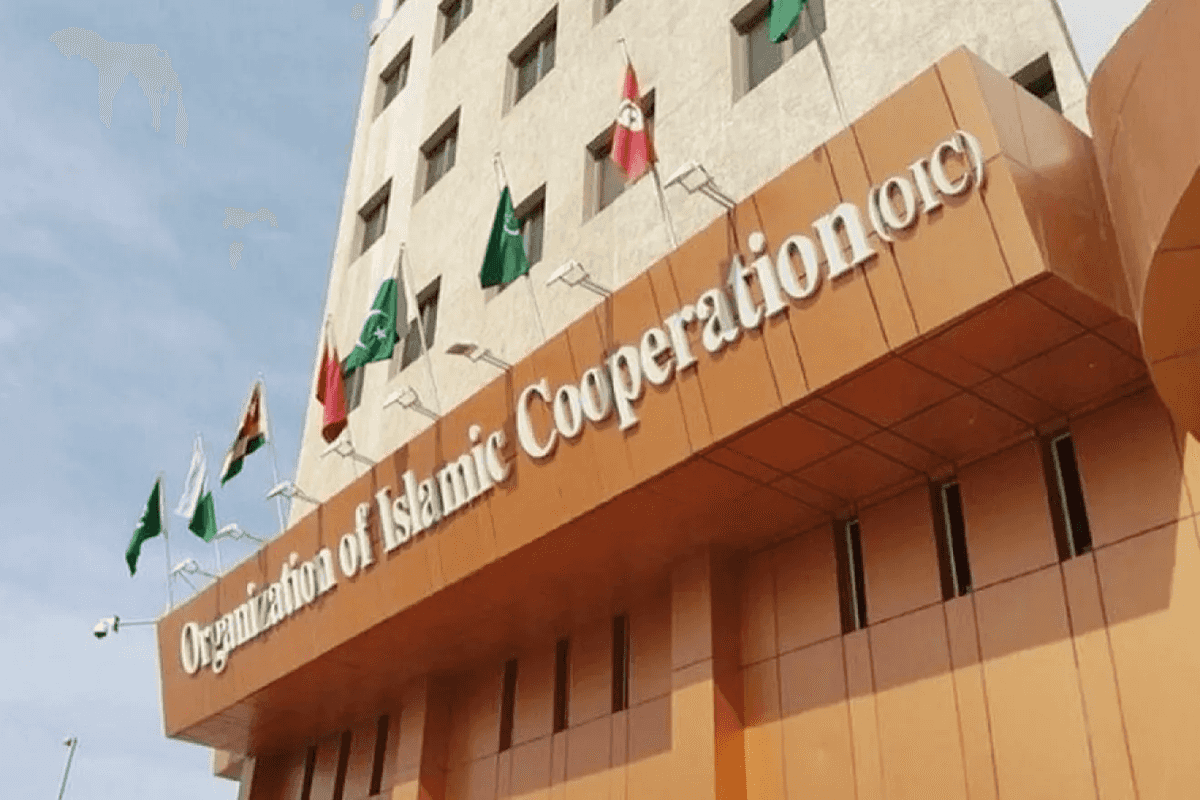
The statement reinforced longstanding positions held by the OIC and the Arab League, both of which issued separate condemnations earlier this week.
What does the statement say about Somalia's sovereignty?
The joint statement also reaffirmed full support for the unity, sovereignty and territorial integrity of Somalia. The ministers rejected any unilateral actions that undermine Somali sovereignty or threaten the territorial cohesion of the country.
Somalia does not recognize Somaliland's 1991 declaration of independence, and the signatories argued that only Mogadishu holds the authority to conduct foreign relations on behalf of the Somali people.





Comments
See what people are discussing