

State Bank keeps policy rate unchanged at 11.5%
Central bank cites stable inflation and recovery, while external risks and global uncertainty keep outlook cautious
Haris Zamir
Business Editor
Experience of almost 33 years where started the journey of financial journalism from Business Recorder in 1992. From 2006 onwards attached with Television Media worked at Sun Tv, Dawn Tv, Geo Tv and Dunya Tv. During the period also worked as a stringer for Bloomberg for seven years and Dow Jones for five years. Also wrote articles for several highly acclaimed periodicals like the Newsline, Pakistan Gulf Economist and Money Matters (The News publications)
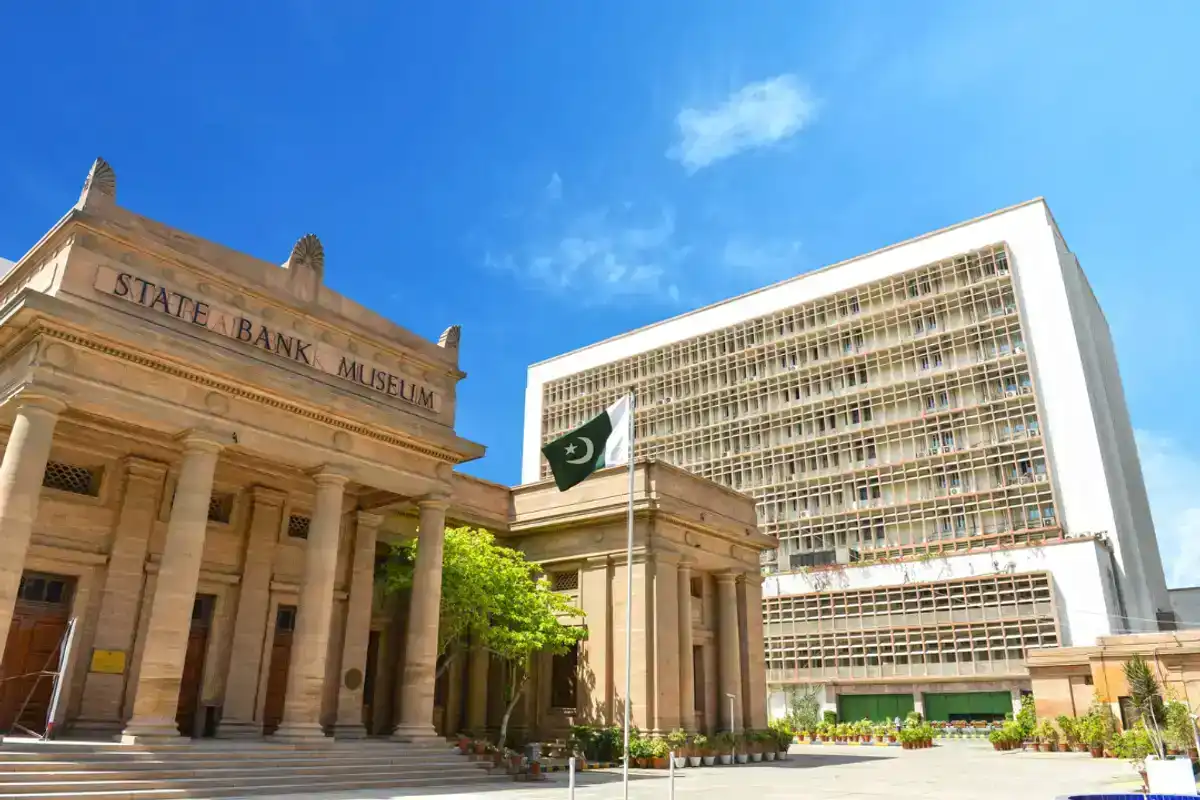
SBP keeps policy rate at 11.5%, signaling cautious stance amid stable inflation and uncertainty
The State Bank of Pakistan (SBP) on Monday left its benchmark policy rate unchanged at 11.5%, saying the current monetary stance remains appropriate despite a recent surge in inflation and growing economic risks linked to the prolonged Middle East conflict.
Announcing its latest monetary policy decision, the SBP’s Monetary Policy Committee (MPC) said headline inflation accelerated to 10.9% in April and 11.7% in May, while core inflation also edged higher, reflecting the impact of elevated energy costs, transportation expenses and rising food prices.
“The macroeconomic outlook is broadly unchanged from its previous meeting,” the MPC said, adding that the existing policy stance would help steer inflation toward the medium-term target range of 5% to 7%.
The central bank noted that global oil prices have eased following recent positive geopolitical developments but remain above pre-conflict levels. It said the economic impact of the Middle East conflict is now becoming visible in key indicators, with inflation rising and economic activity showing signs of moderation amid higher prices, fiscal austerity and persistent uncertainty.
Pakistan’s economy grew by an estimated 3.7% in fiscal year 2025-26, according to provisional figures from the Pakistan Bureau of Statistics, up from 3.2% a year earlier. However, the central bank warned that conflict-related spillovers, weaker agricultural prospects and challenging weather conditions could weigh on growth in fiscal year 2026-27.
On the external front, the current account posted a deficit of USD 0.3 billion in April, bringing the cumulative gap to USD 0.2 billion during July-April FY26. The SBP said strong workers’ remittances and increased official inflows helped contain external pressures and supported a buildup in foreign exchange reserves.
The central bank’s reserves rose to $17.2 billion as of June 5 and are projected to reach $18 billion by the end of June, supported by continued foreign exchange purchases and inflows following the successful completion of reviews under the International Monetary Fund’s Extended Fund Facility and Resilience and Sustainability Facility programs.
The MPC also welcomed the government’s commitment to fiscal discipline, noting that authorities expect to achieve a primary budget surplus of 2.5% of GDP in FY26 and are targeting a surplus of 2% in FY27.
Looking ahead, the central bank warned that inflation is likely to remain in double digits over the coming months before gradually easing. It said risks to the outlook include geopolitical tensions, global commodity prices, adjustments in domestic power and gas tariffs, fiscal slippages and uncertainty surrounding food prices due to adverse weather conditions.
“The MPC remains committed to achieving its objective of price stability and will closely monitor incoming data and evolving developments,” the statement said.


Comments
See what people are discussing