

Tighter student visa rules put US colleges’ international enrollment at risk
Fitch warns tighter visa rules could pressure enrollment and revenue, with lower-rated institutions and universities heavily dependent on international tuition facing the greatest risk

Habib Khan
Correspondent/Producer
Abdul Habib Khan is a dedicated professional, holding a B.S in Mass Communication from the University of Karachi. With over 9 years of experience in journalism, social media management, and content writing, with notable roles at Nukta, Suno News, and 24 News HD.
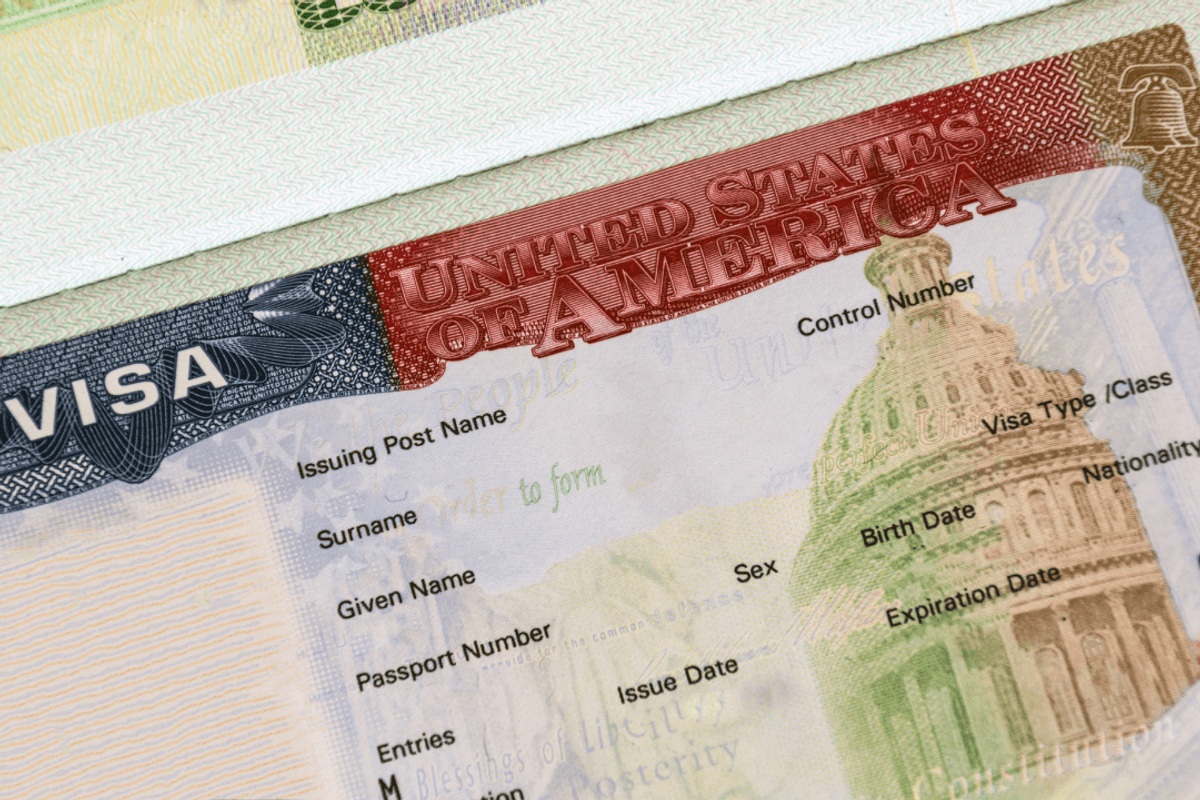
US visa changes threaten revenue at colleges reliant on international students
None
Recent changes proposed to U.S. immigration policy governing F-1 student visas could reduce international enrollment and increase revenue risks for some U.S. colleges and universities, particularly institutions that rely heavily on international students, Fitch Ratings says.
The policy changes could contribute to sustained volatility in international enrollment, putting pressure on student fee revenue and potentially weakening operating performance and financial flexibility. However, Fitch expects the sector-wide credit impact to remain limited, as most higher-rated institutions benefit from diversified revenue sources, broad enrollment demand and sufficient financial resilience to absorb moderate enrollment volatility.
Sustained declines in new international student enrollment could have an outsized impact on revenue because international students often pay full tuition or receive less institutional aid than domestic students. Lost revenue can be difficult to replace quickly, while domestic recruitment cycles and demographic pressures may limit institutions' ability to backfill vacancies. Colleges and universities also have high fixed costs, meaning even a modest revenue decline can weaken operating margins and debt-service coverage at some institutions.
Universities with large graduate and STEM programs could face additional pressure, particularly where degree completion takes longer than four years. Fitch said credit pressure would be greatest for institutions that already have weaker demand profiles, limited financial flexibility, heavy reliance on student fees and high dependence on international tuition revenue.
Institutions where international students account for 10% to 15% or more of enrollment are generally the most exposed, although the degree of credit pressure would ultimately depend on each institution's overall financial flexibility.
U.S. colleges and universities are responding to tighter student visa rules and the risk of weaker international enrollment by expanding recruitment beyond traditional source countries, developing alternative pathways such as online programs and overseas partnerships, and cutting costs to protect their budgets.
Some institutions are broadening their geographic recruitment base to reduce reliance on a small number of markets. Others are exploring arrangements with foreign universities that allow students to begin coursework abroad before transferring to the U.S. At the same time, financial pressure is prompting spending restraint, with some universities announcing job and budget cuts amid broader funding pressures.
International students accounted for 6.1% of the total U.S. student population in the 2024-25 academic year, an increase of 4.5% from the previous year, according to Open Doors. However, that trend reversed in fall 2025, when the total number of international students declined 1%, while the number of new international students fell 17%.
Student fee reliance has also diverged between higher- and lower-rated institutions. Among private higher education institutions, student fees accounted for 77.1% of adjusted operating revenue at 'A'-rated institutions and 77.0% at 'BBB'-rated institutions in fiscal 2025. By comparison, student fees accounted for 26.2% of adjusted operating revenue at 'AAA'-rated private institutions.
Among public universities, student fees as a share of total revenue declined over the past five years by nearly 4 percentage points to 16.6% at 'AAA'-rated institutions and by 2.4 percentage points to 28.1% at 'AA'-rated institutions. In contrast, student fee reliance increased over the same period at 'A'- and 'BBB'-rated institutions, reaching 33.8% and 32.2%, respectively.
The proposed regulations would replace the longstanding "duration of status" framework, which allows international students to remain in the U.S. while completing their academic programs, with a fixed admission period of up to four years. Students who need additional time would have to seek an extension, while the proposal also includes changes affecting program changes and post-completion periods.
The rules are subject to the federal rulemaking process, and legal challenges from higher education organizations and immigration advocacy groups could delay or alter their implementation. The resulting uncertainty adds another risk for institutions and for current and prospective international students.




Comments
See what people are discussing