

Trump tells aides to prepare for extended Strait of Hormuz blockade, WSJ reports
Washington weighs sustained pressure on Iran while avoiding escalation, targeting its oil exports by intercepting vessels to and from its ports

News Desk
The News Desk provides timely and factual coverage of national and international events, with an emphasis on accuracy and clarity.
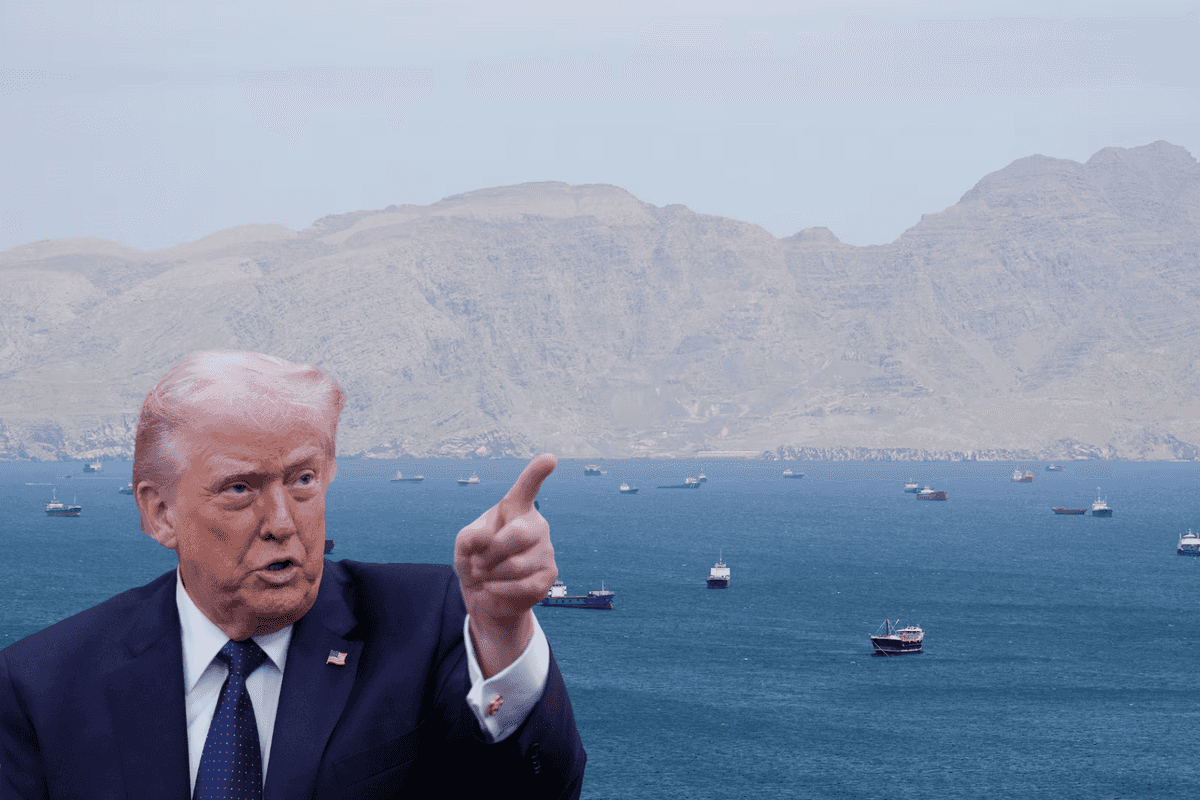
U.S. President Donald Trump.
Nukta
U.S. President Donald Trump has directed advisers to prepare for a prolonged naval blockade of the Strait of Hormuz, the Wall Street Journal reported.
Washington is weighing ways to sustain pressure on Iran while avoiding deeper military escalation, now three months into the conflict. The approach targets Iranian oil exports by intercepting vessels traveling to and from its ports.
What is the Strait of Hormuz blockade and why does it matter?
The Strait of Hormuz is a critical artery for global energy supplies, with roughly a fifth of all oil and liquefied natural gas shipments passing through it before the conflict began.
The near halt in traffic has paralyzed maritime flows, disrupted fuel supplies across parts of Asia and Africa, and pushed oil prices sharply higher, raising concerns about a broader economic slowdown.
Why did Trump reject Iran's offer to reopen the strait?
Citing people familiar with the discussions, the WSJ said Iran proposed an interim arrangement that would allow shipping to resume in exchange for the U.S. easing its blockade of Iranian ports, while deferring nuclear talks to a later stage.
Tehran also insisted on retaining oversight over transit through the strait. Trump rejected the proposal, telling aides it showed Iran was not negotiating in good faith. Separately, CNN reported that mediators in Pakistan expect a revised Iranian proposal within days.
Earlier on Tuesday, Trump said Iran had urged Washington to lift the naval blockade as part of efforts to revive negotiations. Writing on Truth Social, he said Tehran was seeking a rapid reopening of the waterway amid internal political strain and severe instability at home. Secretary of State Marco Rubio said Iran's proposal was more constructive than anticipated but raised doubts about whether it had been authorized at the highest levels, pointing to divisions within Iran's leadership.
How has the blockade affected global oil markets?
Oil markets have reacted sharply to the prolonged disruption. Brent crude extended gains for a seventh consecutive session, settling above $111 a barrel as traders priced in the risk of a drawn-out impasse. The move points to a potential shift toward a prolonged standoff in which active fighting remains limited but no political settlement is reached.
The U.S. Treasury's Office of Foreign Assets Control warned banks about the risks of engaging with smaller Chinese refineries accused of processing Iranian crude. It also cautioned shipping companies about potential sanctions exposure tied to payments made to Iranian authorities or military entities for passage through the strait. U.S. Central Command said Marines intercepted a commercial vessel in the Arabian Sea suspected of breaching the blockade but released it after determining it would not call at an Iranian port.
What is the wider geopolitical fallout from the conflict?
The United Arab Emirates announced it would leave OPEC on Tuesday, a move seen as a setback for the group and its leading member Saudi Arabia. Energy Minister Suhail Al Mazrouei said the timing reflected tightening market conditions, with supply already constrained by the conflict. Abu Dhabi signaled it would seek greater flexibility to respond to supply shortages.
A ceasefire that took hold around April 7 has so far prevented a full resumption of hostilities but remains fragile. Talks held in Pakistan earlier this month ended without a breakthrough, and both sides have warned fighting could resume if negotiations stall.
Diplomatic strains have also extended to Lebanon, where Israel and the Iran-backed group Hezbollah have traded accusations of ceasefire violations. The Israeli military said it had dismantled two tunnels in the country's south linked to the group.
Britain's ambassador to Washington, Christian Turner, was reported to have suggested the closest U.S. alliance was with Israel rather than the United Kingdom, remarks London said did not reflect official policy.



Comments
See what people are discussing