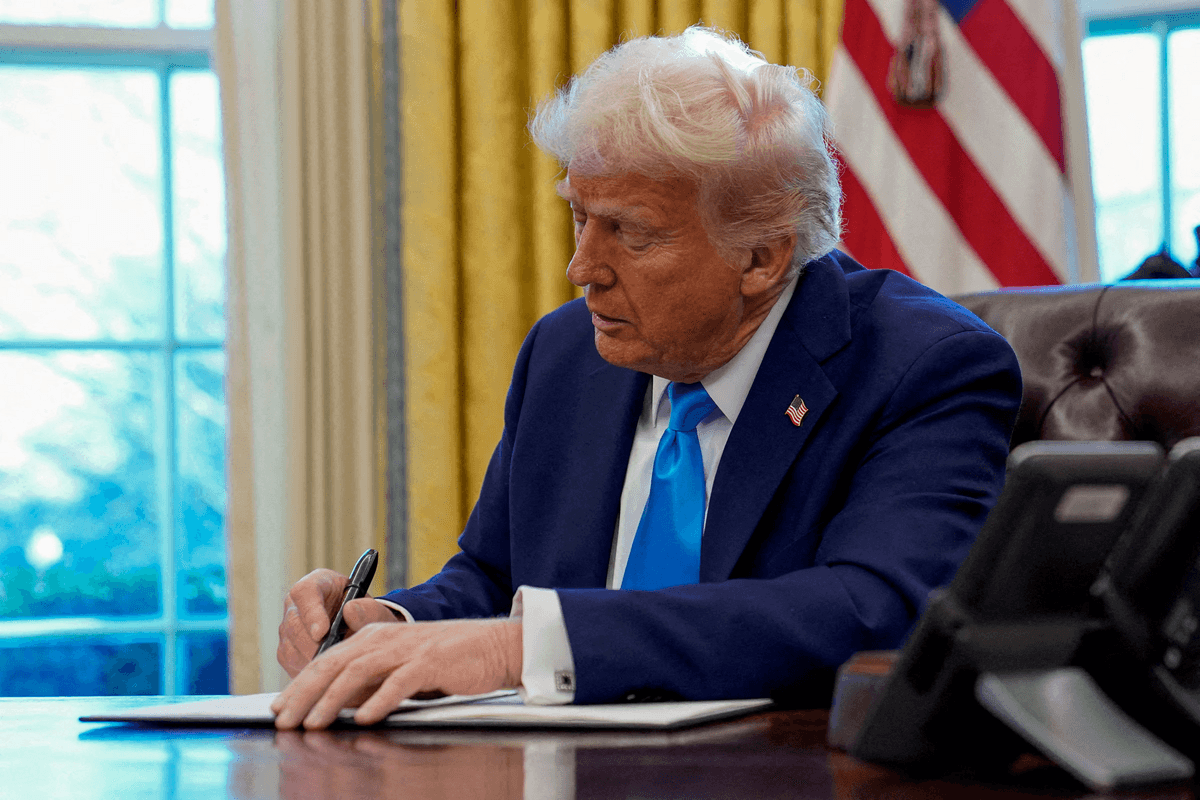
US President Donald Trump signed into law on Friday a major sanctions bill authorizing broad economic measures against Russia and its key trade partners. Passed with bipartisan congressional support, the "Lindsey O. Graham Sanctioning Russia and Iran Act of 2026"—named in honor of the late Republican senator who spearheaded the measure before his death in July—targets Russia’s financial institutions, military-industrial complex, and energy export networks.
What are the primary measures authorized by the new sanctions law?
The legislation grants the White House durable, congressionally authorized authority to penalize foreign nations that maintain substantial energy trade with Moscow. Key provisions include:
- Energy Buyer Tariffs: Authorizes tariffs of up to 100% on goods imported from the top five buyers of Russian crude oil or natural gas, putting major importers—including China and India—under potential tariff risk.
- Shadow Fleet & Defense Targets: Sanctions Russian state banks, senior officials, and Moscow's "shadow fleet" of 600–1,400 unregulated tankers used to bypass Western price caps.
- Iran Sanctions Extension: Reauthorizes and extends the Iran Sanctions Act by five years, targeting Tehran's energy and weapons sectors alongside actors aiding Russian-Iranian sanctions evasion.
According to reporting by TIME, the bill cleared the Senate 86–11 in August and passed the House of Representatives by a 262–159 vote on Wednesday. Although some House Democrats expressed concern over delegating expanded discretionary tariff authority to the executive branch, proponents praised the act for curbing revenue financing Moscow's war in Ukraine.
How have international leaders and major buyers responded?
Ukrainian President Volodymyr Zelensky commended the passage of the legislation, characterizing it as a vital step toward economically isolating the Kremlin. Conversely, India’s Ministry of External Affairs affirmed that New Delhi will prioritize national energy security for its 1.4 billion citizens through diversified crude sourcing, emphasizing that bilateral discussions regarding global market stability remain ongoing with US officials.
The enactment comes a week before President Trump is scheduled to host Chinese President Xi Jinping in Washington following the 18th BRICS Summit in New Delhi.






Comments
See what people are discussing