U.S. President Donald Trump threatened on Friday to impose higher tariffs on Canadian goods over wildfire smoke drifting south from Canada and blanketing parts of the United States. In a post on Truth Social, Trump accused Canada of failing to properly manage its forests and said the financial impact of the smoke must be reflected in existing tariffs on Canadian imports.
Why is Trump threatening Canada with tariffs over wildfire smoke?
Trump argued that inadequate Canadian forest management and debris removal allowed wildfires to worsen, sending smoke south and imposing economic and public health costs on the United States. He said he planned to raise the issue directly with Canadian Prime Minister Mark Carney. The Washington Post reported it was not clear Trump has the legal authority to impose tariffs on these grounds.
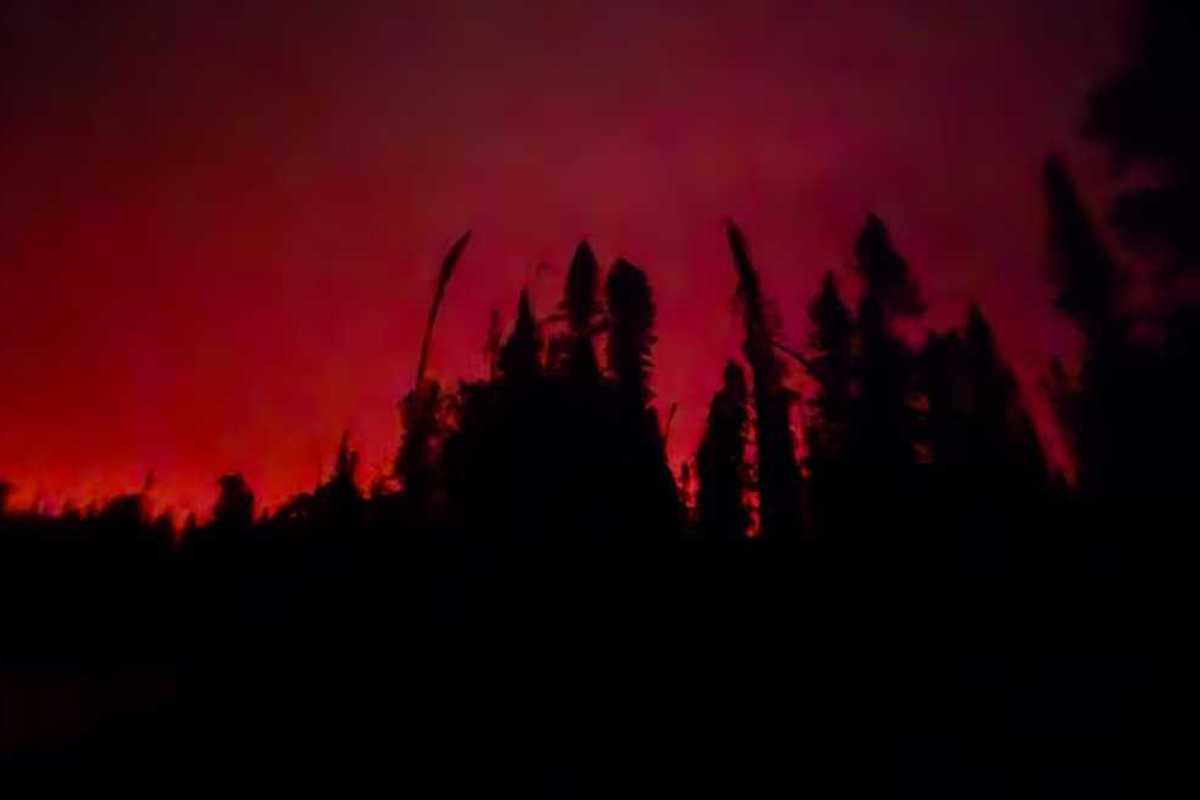
Canada rejected the criticism. Emergency Preparedness Minister Eleanor Olszewski said Ottawa remains in close coordination with U.S. authorities through long-standing wildfire cooperation mechanisms and noted that Canada has invested CAD 12 billion in forest sustainability and wildfire prevention since 2020. According to the Canadian Wildland Fire Information System, 937 wildfires were active across the country on Saturday, with the majority still classified as out of control.
How bad is the wildfire smoke air quality in the US right now?
Detroit ranked as the world's most polluted city on Friday, according to air quality monitoring firm IQAir, while Washington and Chicago also recorded unhealthy pollution levels. Health officials advised residents to limit outdoor activity, and masks were distributed at public facilities in parts of New York and New Jersey. The U.S. National Weather Service warned that shifting winds could push another wave of smoke into the Northeast over the weekend.
Health experts warn that wildfire smoke poses serious risks because it contains fine particulate matter capable of penetrating deep into the lungs. Chris Carlsten, a professor at the University of British Columbia, said smoke from large wildfires often carries particles from burned plastics, metals, and other materials, making it increasingly hazardous as its composition changes during long-distance travel. Scientists also point to climate change as a key driver of Canada's increasingly severe wildfire seasons, with higher temperatures and drier soils allowing fires to burn more intensely and for longer.
Could wildfire smoke affect the World Cup final in New Jersey?
The deteriorating air quality has raised concerns ahead of Sunday's FIFA World Cup final in New Jersey. Conditions improved slightly on Friday but forecasters warned that shifting winds could bring more smoke into the Northeast before kickoff. Tournament organizers said they were closely monitoring forecasts, while meteorologists said changing weather patterns over the Great Lakes would be a key factor in determining how much smoke reaches the East Coast.
Wildfire activity remained intense on both sides of the border. Ontario authorities continued battling multiple large fires that forced evacuations in remote communities, while firefighters in Minnesota were responding to 16 active blazes in the Superior National Forest, with forecasts of strong winds and thunderstorms threatening to complicate containment efforts.






Comments
See what people are discussing