

Supreme Court acquits last three men on death row in 2014 Christian couple lynching
Top court acquits the final three death row convicts in the 2014 Kot Radha Kishan Christian couple lynching case.

Laiba Zainab
Correspondent
Laiba Zainab is an award-winning journalist with nearly a decade of experience in digital media. She has received the DW & CEJ-IBA Data Journalism Award and the top digital media prize at the National Media Fellowship. At NUKTA, she covers underreported stories on health, crime, and social justice.
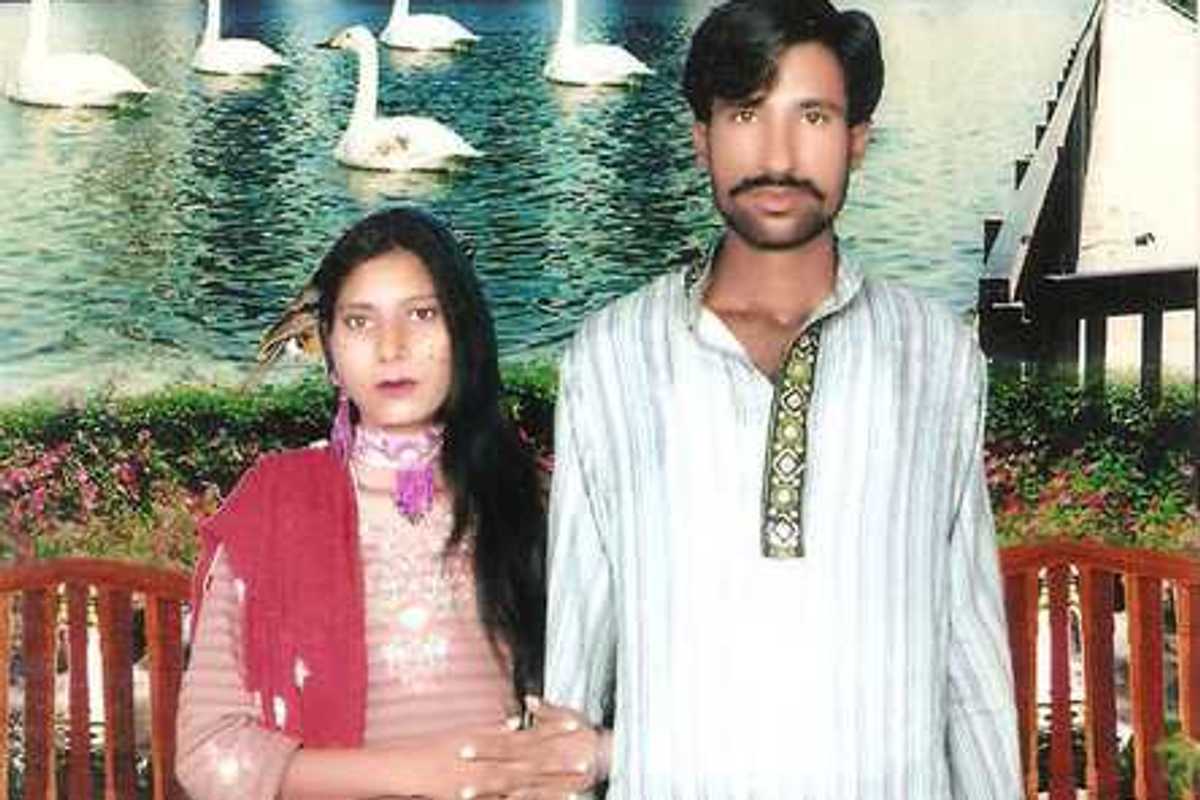
This undated family handout photo shows the Christian couple who were killed by a lynch mob in Kot Radha Kishan.
AFP/File
Pakistan's Supreme Court has acquitted the remaining three men sentenced to death for the 2014 lynching and burning of a Christian couple in a brick kiln. The ruling ends all convictions in one of the country's most notorious blasphemy-related mob violence cases.
Who did the Supreme Court acquit in the Christian couple lynching case?
A three-member bench headed by Justice Malik Shahzad Ahmad Khan acquitted Irfan, Mehdi and Riaz, overturning the death sentences the Lahore High Court had upheld. The court also dismissed the Punjab government's petition challenging the earlier acquittal of 102 other suspects. With this ruling, all five original death sentences in the case have now been overturned.
The court ruled that weaknesses in the prosecution's case and inconsistencies in the evidence entitled the accused to the benefit of the doubt. As a result, the convictions and death sentences of Irfan, Mehdi and Riaz were overturned. The Supreme Court found that the prosecution had failed to establish guilt beyond reasonable doubt, leading to the acquittal of the final three accused.
What happened to Shahzad Masih and Shama Bibi in 2014?
On November 4, 2014, Shahzad Masih and his pregnant wife, Shama Bibi, were tortured by a mob and burned alive in a brick kiln in Kot Radha Kishan, Punjab province. The couple had been accused of blasphemy before the attack. Police registered a case against hundreds of people over the killings.
How did the courts handle the case over the years?
In November 2016, an anti-terrorism court in Lahore sentenced five defendants to death and nine others to two years in prison, while acquitting 92 other suspects for insufficient evidence. The Lahore High Court later acquitted two of the five men on death row, upholding the sentences of Irfan, Mehdi and Riaz. Friday's Supreme Court ruling overturned those remaining three sentences, closing out the case's death penalty convictions.





Comments
See what people are discussing