


News Desk
The News Desk provides timely and factual coverage of national and international events, with an emphasis on accuracy and clarity.
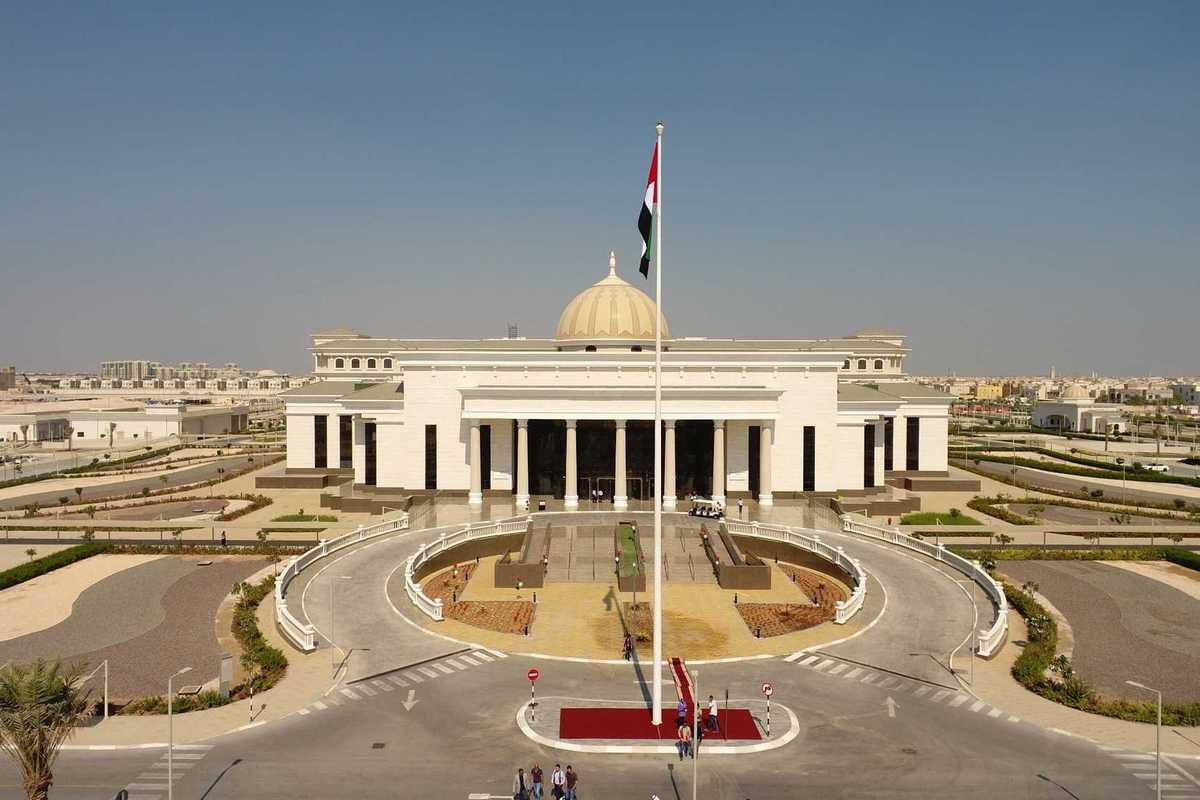
Abu Dhabi Federal Court of Appeal sentences eight defendants to life in prison in Sudan arms trafficking and money laundering case.
WAM
The Abu Dhabi Federal Court of Appeal on Oct. 29 sentenced eight defendants to life in prison for arms trafficking and money laundering. The network supplied weapons to the Sudanese Army through UAE companies and bank accounts, WAM reported.
Who received life sentences in the UAE arms trafficking case?
Eight defendants received life terms: Yasser Al Atta, Salah Gosh, Othman Al Zubair, Rashid Omar Abdul Qadir Ali, Ahmed Abdullah (known as Abdullah Khalafallah), Ahmed Rabie’ Sayed Ahmed, Mohammed Fath Al Beik and Maher Abdul Jalil. The court also ordered their deportation after they serve their sentences.
The case exposed a network that mixed arms deals, companies, bank transfers and cash payments. It supplied weapons, ammunition and military equipment to the Sudanese Army. It also hid where the money came from and where it went.
What other penalties did the court impose?
The court ordered the seizure of the ammunition, mobile phones and communications devices used in the crime. Seven defendants also received three years in prison each. They are Rashid Omar, Salah Gosh, Abdullah Khalafallah, Maher Abdul Jalil, Othman Babiker, Khalid Yousuf Mukhtar and Ahmed Khalafallah Abdullah.
Those fined must pay AED1 million each for money laundering. The court also ordered the confiscation of AED1.545 million from seized funds.
Six companies were fined AED1 million each for money laundering:
- Rashed Omar Brokerage Company
- Portex Trade Limited
- Apollara Electronics Trading Company
- Yellow Sand Trading Company
- Wardat Al Masarra Trading Company
- Sudamina – Free Zone
Their licenses and registrations were canceled. Funds under attachment and proceeds from the laundering were confiscated. Mubarak Ali Al Sheikh and Mus’ab Awad Al Karim Hassan were acquitted.
How did the arms deals to Port Sudan work?
The court found that the defendants traded in weapons, ammunition and military equipment without a license or authorization. There were two deals to supply Port Sudan.
The defendants brought Goryunov-type ammunition into the UAE to fly it to Port Sudan. They falsely described the aircraft’s cargo as medical equipment and supplies. Payments were made in the UAE through bank transfers and cash.
What roles did the main defendants play?
Rashid Omar played a central role in concluding and carrying out the deals and coordinated among the parties. Through his company, he handled the supply of weapons, ammunition and military equipment to the Sudanese Army. He received money in the UAE, including about AED8 million in cash from Maher Abdul Jalil.
Yasser Al Atta is Assistant to the Commander-in-Chief of the Sudanese Armed Forces and the official responsible for armament. The court found that he requested the purchase of the weapons and equipment. He also took steps to get a landing permit for the aircraft at Port Sudan Airport, knowing the deal had been concluded on UAE territory.
Othman Al Zubair is the Sudanese Army’s financial official for armament requirements. His duties include following up on needs, inspecting shipments and settling suppliers’ dues. The court found that he paid the sums owed under the deals and delivered them to Maher Abdul Jalil through the Hawala Dar system, knowing the defendants were not authorized to trade in weapons in the UAE.
Maher Abdul Jalil acted as an intermediary and the financial arm of the deals. He linked those involved with Othman Al Zubair and moved funds through bank accounts and companies tied to him. He delivered about AED8 million in cash to Rashid Omar in the UAE as part of the value of one deal.
Who else was involved in the arms deals?
Khalid Yousuf Mukhtar is a former director of Salah Gosh’s office at the Sudanese Intelligence Service. The court found that he received Salah Gosh’s commission from the deal.
Ahmed Rabie’ Sayed Ahmed acted as an intermediary. He helped Rashid Omar and his company win approvals from Sudanese military leaders. He took part in meetings at Salah Gosh’s residence with Salah Gosh, Abdullah Khalafallah and Rashid Omar to follow the first deal. He also told Rashid Omar about the Armament Committee’s decision on the second deal. The court concluded that he acted for financial gain.
Mohammed Fath Al Beik is a former adviser to the Sudanese Minister of Finance. He connected Rashid Omar with Othman Al Zubair and Ahmed Rabie’. He also helped secure approval of Rashid Omar’s company as a supplier to the Sudanese Army, even though the company did not work in arms supply. He received AED146,000 for his role in the first deal.
Abdullah Khalafallah took part in meetings with Salah Gosh, Rashid Omar and Ahmed Rabie’ to follow the first deal. The judgment also cited his link to Portex Trade Limited, which was used in financial transactions tied to the deal. His brother, Ahmed Khalafallah, received AED1.85 million from the value of the first deal. He knew that neither he, his brother nor the company had a permit or license to trade in military equipment in the UAE.
Why did the court say the deals endangered UAE interests?
The court concluded that the convicted took part in an integrated scheme to traffic weapons, ammunition and military equipment. Forged documents, companies and bank accounts in the UAE were used to move funds and hide their sources and destinations. Proceeds were also laundered.
The court noted that the deals took place during the armed conflict in Sudan and benefited one of the parties to the conflict. It found that using UAE territory and its financial system for such activity could harm the country’s relations with the international community and endanger its interests. It cited international restrictions on arms supplies.
The court treated the arms deals, forgery and use of forged documents as one criminal enterprise. It treated money laundering as a separate offense.
How did the case reach trial?
UAE Attorney-General Dr. Hamad Saif Al Shamsi referred the defendants to trial. Investigations and technical and financial evidence had uncovered an organized network. It trafficked weapons, ammunition and military equipment. It also laundered arms-deal money through companies and bank accounts in the UAE.




Comments
See what people are discussing