


News Desk
The News Desk provides timely and factual coverage of national and international events, with an emphasis on accuracy and clarity.
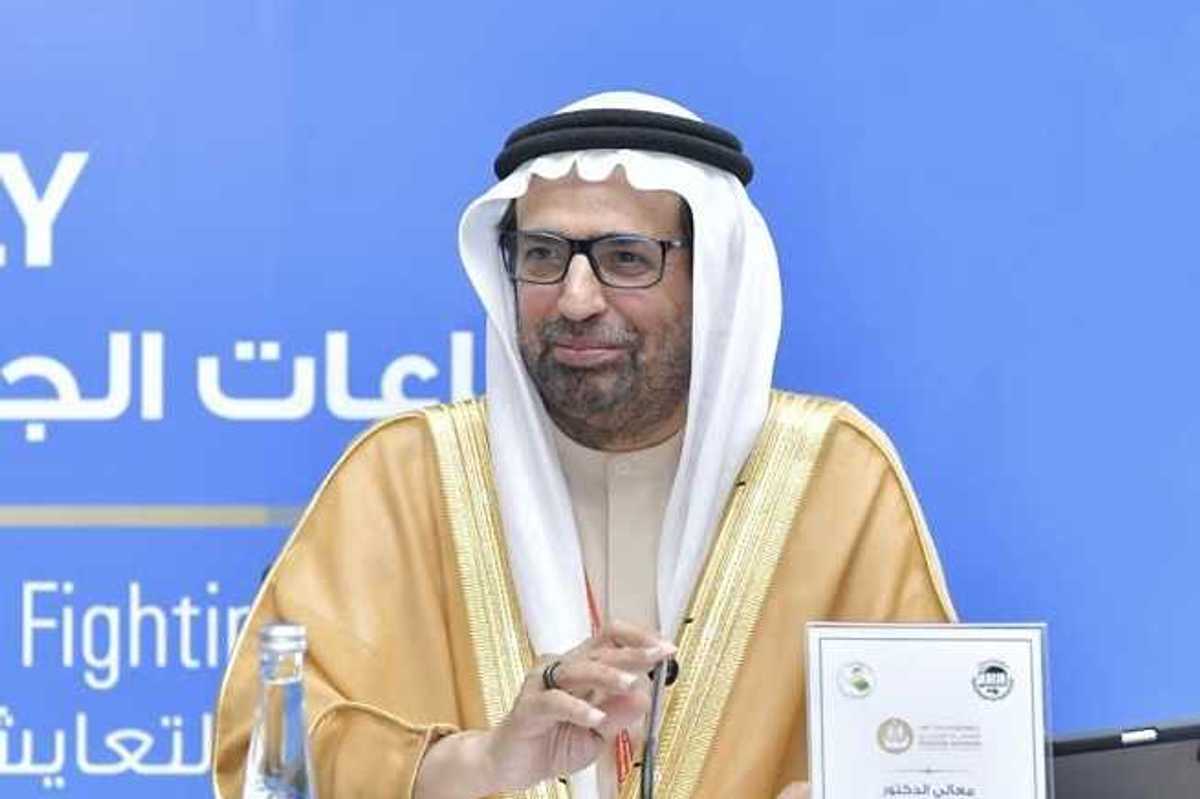
Dr Ali Rashid Al Nuaimi, chairman of the Defence, Interior and Foreign Affairs Committee of the Federal National Council, speaks about UAE security during Iranian attacks.
Ali Rashid Al Nuami website
The UAE faced sleeper cell threats during Iranian missile and drone attacks earlier this year, a senior official said, Khaleej Times reported. Dr Ali Rashid Al Nuaimi, chairman of the Federal National Council’s Defence, Interior and Foreign Affairs Committee, spoke Thursday at the UAE Correspondents’ Majlis in Dubai.
What are the sleeper cell threats the UAE faced?
Al Nuaimi said sleeper cells were helping Iranian forces guide their attacks. He said the challenge went beyond intercepting incoming missiles and drones.
Identifying potential threats was difficult, especially near sensitive locations. Security measures, he said, should not needlessly disrupt people’s lives.
How did the UAE keep daily life running during the attacks?
The UAE worked to keep malls, restaurants and beaches open during the attacks. Al Nuaimi said the country tried to protect residents while keeping disruption to a minimum.
Iranian attacks began on February 28. Residents across the UAE received emergency alerts on their phones warning of possible missile and drone threats.
The alerts told people to take shelter, stay indoors and keep away from windows and open areas. Follow-up messages said when it was safe to resume normal activities.
The National Emergency Crisis and Disaster Management Authority said the early warning system sends targeted alerts based on location. Shopping centers and tourist attractions kept operating. Electricity, water, telecommunications and healthcare services stayed functional.
Air travel faced temporary suspensions and restrictions. Authorities activated emergency air corridors and contingency plans to help flights resume gradually.
Residents kept attending Ramadan prayers, visiting malls, exercising and meeting friends. They followed official safety instructions whenever alerts were issued.
What did Al Nuaimi say about his video call with an Israeli acquaintance?
Al Nuaimi recalled a video call with an Israeli acquaintance during the conflict. The man was surprised to learn Al Nuaimi was at Galleria Mall in Abu Dhabi during the attacks.
The Israeli, who was in a shelter at the time, said the UAE was getting more missiles and drones than Israel. Al Nuaimi then walked into a restaurant and showed him it was full of customers.
Have other Gulf countries reported sleeper cells linked to Iran?
Gulf and Arab countries have previously cited destabilizing activities allegedly planned by sleeper cells loyal to Iran and groups linked to Hezbollah. Several Gulf states have announced the dismantling of suspected espionage and sabotage networks.
Bahrain accused suspects of passing information on sensitive locations to Iranian operatives. Qatar uncovered alleged cells gathering intelligence on military and vital facilities. The UAE also announced arrests of people allegedly involved in Iran-linked networks planning activities that threatened national security.
How many Israelis visited the UAE in 2025?
In a separate discussion on the UAE’s image and its role in promoting coexistence, Al Nuaimi said one million Israelis visited the country in 2025. He stressed the value of people-to-people contact in challenging stereotypes.
Communities that have long seen each other through the lens of conflict, he said, can change their views this way. Many Israelis arrived with deeply rooted misconceptions about Arabs, he said, but their experiences in the UAE showed them a different reality.
Visitors met not only Emiratis but also residents from across the Arab world, including Palestinians. This helped them better understand communities they may once have viewed differently, he said.
The UAE and Israel established diplomatic relations under the Abraham Accords in 2020. The deal led to direct flights, more tourism and closer commercial ties.
What did Al Nuaimi say about Israeli and Palestinian dialogue?
Al Nuaimi said he met two delegations the previous day, one Israeli and one Palestinian, as part of his efforts to encourage dialogue. Both sides recognized the need for a future in which Israelis and Palestinians live together rather than remain locked in conflict, he said.
He added that differences should not stop people from finding common ground. The goal, he said, is a future in which younger generations do not have to live through continuing conflict.





Comments
See what people are discussing