

UAE adviser Gargash warns against imposing new geopolitical realities on Gulf states
UAE presidential adviser Anwar Gargash said aggression cannot impose new geopolitical realities on Gulf states, warning such moves risk sowing future discord

Dubai Desk
The Dubai Desk reports on major developments across the UAE, covering news, culture, business, and social trends shaping the region.
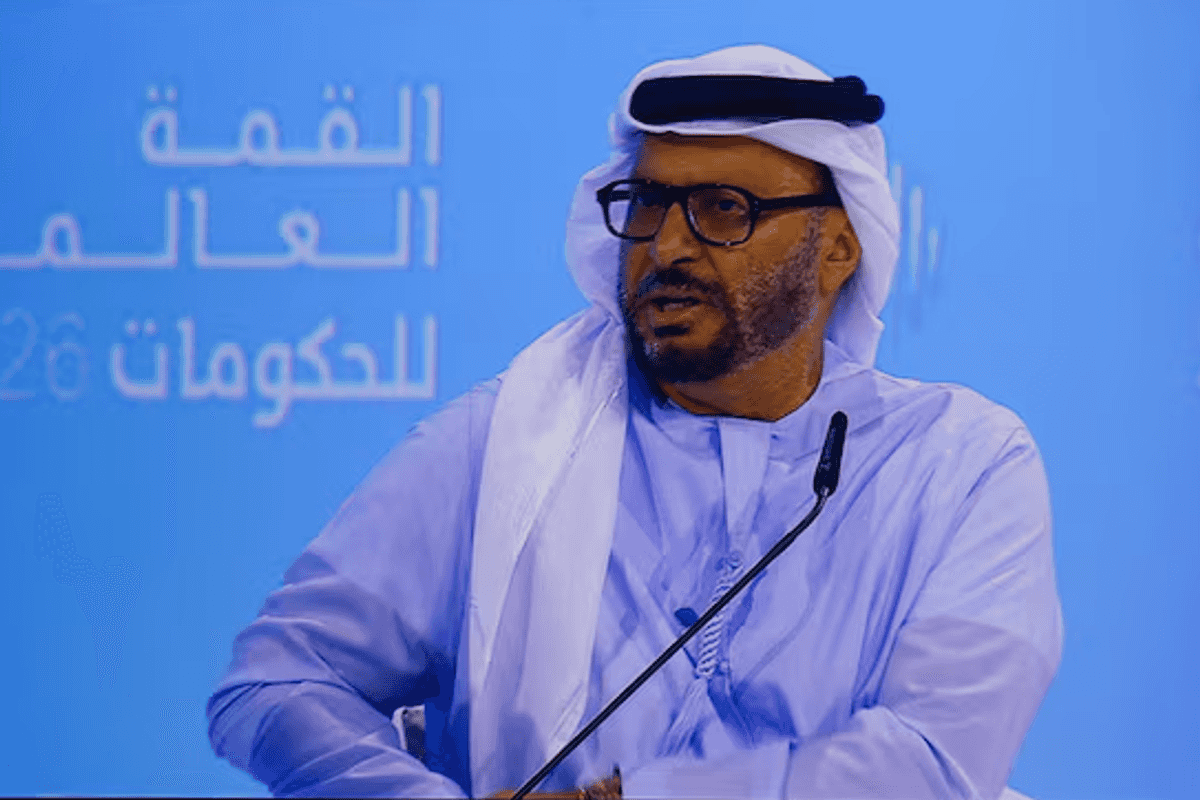
Anwar Gargash, UAE presidential adviser, warned Thursday that new geopolitical realities cannot be imposed on Arab Gulf states through what he called "treacherous aggression," cautioning that such actions risk sowing fresh seeds of instability and conflict across the region.
What did Gargash say about new geopolitical realities in the Gulf?
Gargash said attempts to impose a fait accompli through aggression would not bring stability and would instead create new sources of discord.
لا يمكن تكريس وقائع جيوسياسية جديدة على دول الخليج العربي نتيجة عدوانٍ غادر عليها. ففرض أمر واقع من رحم العدوان لا يؤسس للاستقرار، بل يزرع بذورًا جديدة للتنافر والصراع في المستقبل.
وهذا تحديدًا ما ينطبق على مضيق هرمز.
— د. أنور قرقاش (@AnwarGargash) June 25, 2026
He specifically linked the warning to the Strait of Hormuz, a critical artery for global oil shipments that became a flashpoint earlier in the U.S.-Iran conflict.
What did Rubio discuss during his Gulf tour?
Gargash's remarks came a day after U.S. Secretary of State Marco Rubio met UAE President Mohamed bin Zayed Al Nahyan in Abu Dhabi. The two discussed regional security, the U.S.-Iran agreement and efforts to ensure safe transit through the Strait of Hormuz. The meeting was the first stop on Rubio's three-day Gulf tour.
State Department spokesperson Tommy Pigott said Rubio reaffirmed Washington's commitment to UAE security. Rubio and Mohamed bin Zayed also discussed President Donald Trump's memorandum of understanding with Iran and broader regional stability.
Where do US-Iran negotiations stand?
The diplomatic activity follows what officials described as a temporary pause in U.S.-Iran negotiations. Mediators including Pakistan and Qatar said technical-level talks are continuing, with both sides expecting negotiations to resume next week. Major disagreements between Washington and Tehran remain over the scope of any future deal.
Trump has said Iran would be allowed access to frozen overseas funds only for purchases of U.S. food and medical supplies. He has also said Tehran agreed to permit inspections of its nuclear facilities by the International Atomic Energy Agency. Iranian officials have publicly rejected both assertions.
What is the status of the Strait of Hormuz?
Iran closed the Strait of Hormuz earlier in the conflict, causing oil prices to surge. Iran and Oman have since announced plans to explore arrangements for managing transit through the strait, but proposed transit fees have drawn concerns from shipowners and traders, who argue such charges could conflict with international maritime law and set a precedent for other strategic waterways.
Shipping traffic through the strait has gradually returned to normal in recent days. Brent crude fell about 2% on Wednesday to around $75.50 a barrel, extending declines from earlier conflict-driven highs. Rubio reiterated the U.S. position that international shipping lanes must remain open to global commerce.
What other issues are complicating a US-Iran deal?
Iran has linked any permanent agreement with Washington to an end to hostilities involving Hezbollah in Lebanon. Israel maintains its military presence in southern Lebanon is necessary to protect communities along its northern border. The issue has carried into a fifth round of U.S.-mediated Israel-Lebanon talks currently underway in Washington.
Israel's UN ambassador, Yechiel Leiter, said Hezbollah's disarmament and withdrawal from southern Lebanon remain essential conditions for progress. Questions also remain over the financial terms of a potential deal. Iran's Mehr news agency, citing Deputy Foreign Minister Kazem Gharibabadi, reported that Tehran expects to receive $12 billion in frozen assets in two installments. U.S. officials have not publicly confirmed the figure.
How has Washington responded to Trump's Iran strategy?
Debate over the negotiations has intensified in Washington. The Republican-controlled Senate approved a largely symbolic measure Tuesday calling for an end to the war, an unusual challenge to Trump from within his own party. Trump dismissed the vote, saying Iran had been significantly weakened and was prepared to offer major concessions.




Comments
See what people are discussing