


News Desk
The News Desk provides timely and factual coverage of national and international events, with an emphasis on accuracy and clarity.
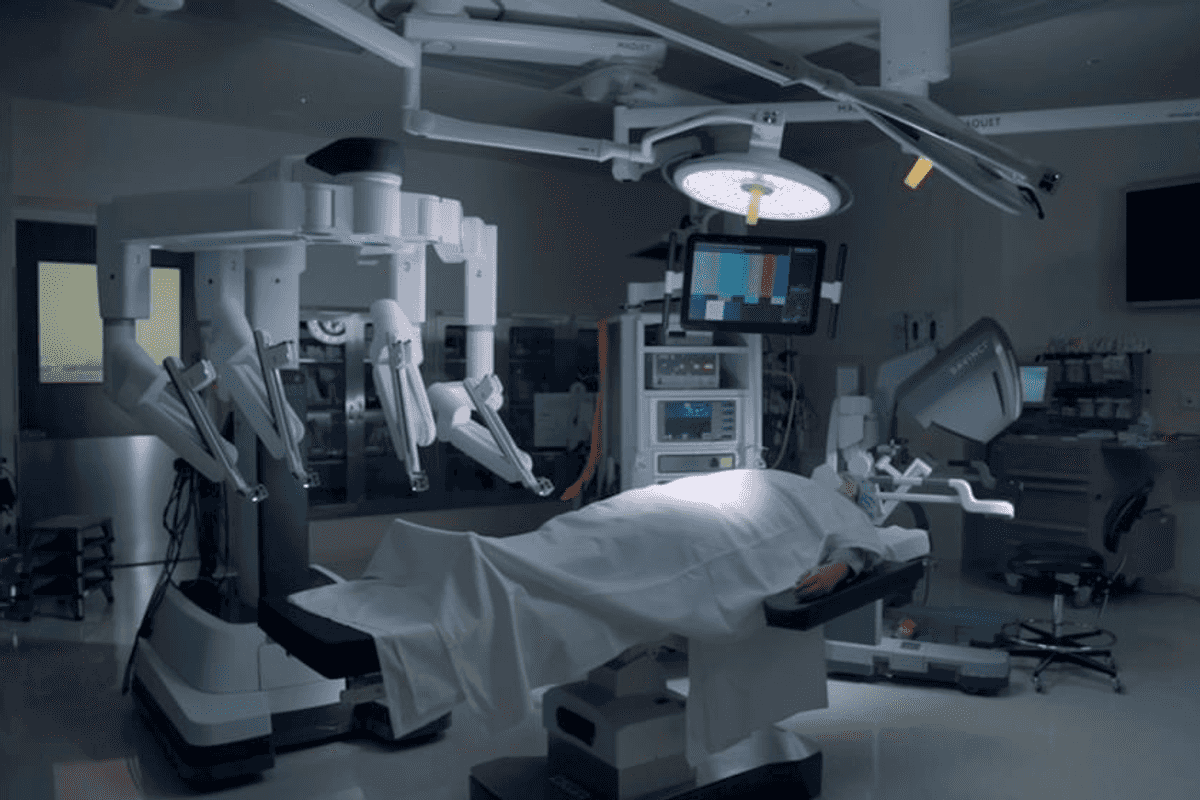
Health insurers in the UAE must now cover medical services linked to organ and tissue removal and transplantation.
WAM / File photo
UAE health insurers must cover organ removal and transplantation procedures, including medical care for both donors and recipients, under Cabinet Resolution No. (61) of 2026, which took effect for insurance coverage on October 31.
The requirement covers treatment before, during and after surgery, including complications and follow-up care. The provision is part of the executive regulations implementing the federal organ donation law, reported Khaleej Times.
What must UAE health insurance policies cover?
Under Article 9, health insurance policies in the UAE must cover healthcare services linked to organ and tissue removal and transplantation.
Coverage includes procedures involving living and deceased donors, treatment of complications arising from donation or transplantation, and post-operative care for both donors and recipients.
When did the new insurance rules take effect?
The resolution was published in the Official Gazette on April 30, 2026, with its general provisions taking effect on May 1.
However, Article 9, which makes insurance coverage mandatory, took effect six months after publication, on October 31, 2026.
The resolution implements Federal Decree by Law No. (25) of 2023 on organ and tissue donation and transplantation.
How will the UAE's organ donor registry work?
The National Center will establish a registry allowing people to record whether they wish to donate organs and tissues after death.
Registration must be in writing and verified through the UAE's digital identity system. Individuals can change or withdraw their decisions at any time.
The registry will also be linked to electronic medical records, hospitals and health authorities to verify donor wishes.
What requirements must hospitals and surgeons meet?
Healthcare facilities performing transplants must have appropriate equipment, trained medical staff, accredited laboratories and safety procedures.
Hospitals must obtain licences valid for one to three years and submit performance data when seeking renewal, including donor numbers, transplant success rates, complications and post-procedure deaths.
Surgeons must hold valid specialist licences, accredited training or relevant practical experience, and approval from the National Center.
When is paired organ donation allowed?
Paired donation is permitted when a willing donor is incompatible with their intended recipient but can donate to another patient whose donor faces the same compatibility problem.
Both donors must provide written consent, and hospitals must explain the medical requirements to the families involved.
If an exchange fails after one donor withdraws, the affected patient may be placed on the National Center's priority list for an organ. Withdrawal may carry legal liability unless it results from circumstances beyond the donor's control.
What medical care must donors and recipients receive?
Hospitals must provide medical examinations, monitoring and support throughout the donation and transplantation process.
This includes compatibility testing, vaccination reviews, pain management, physiotherapy, psychological support and follow-up treatment.
Recipients must also receive medication and care to prevent organ rejection, with immediate medical intervention if rejection occurs.
Who can consent to organ donation if the deceased did not register?
If a deceased person has not recorded their donation wishes, a guardian or relative may provide consent according to the legal order of priority.
Consent must be documented and authenticated through the UAE's digital identity system, a notary public or the relative's embassy, or a declaration before a National Center employee.
Relatives abroad may submit signed declarations, with two witnesses required to attest to consent where a thumbprint is used instead of a signature.
What happens to unidentified bodies and accident victims?
The National Center must coordinate with police and Public Prosecution to identify deceased people and locate their relatives before donation can proceed.
If a person cannot be identified and no relatives are found, Public Prosecution must confirm the circumstances. A medical assessment must also establish that the organs are suitable for donation.
In accident cases, the National Center must check whether the victim registered as a donor and contact relatives or guardians for consent. Public Prosecution approval is required if the death is suspicious or subject to a criminal investigation.
Bone marrow donation and transplantation must follow recognized medical standards and UAE-approved protocols.





Comments
See what people are discussing